Putin's visit to Turkey reportedly postponed
 on Google

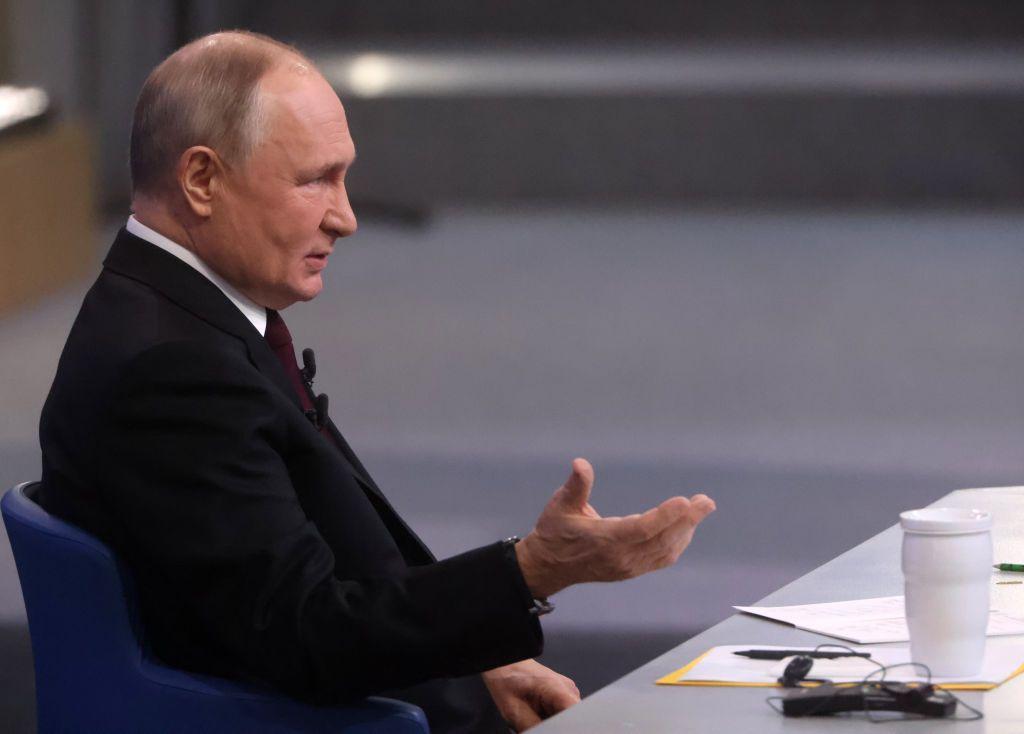
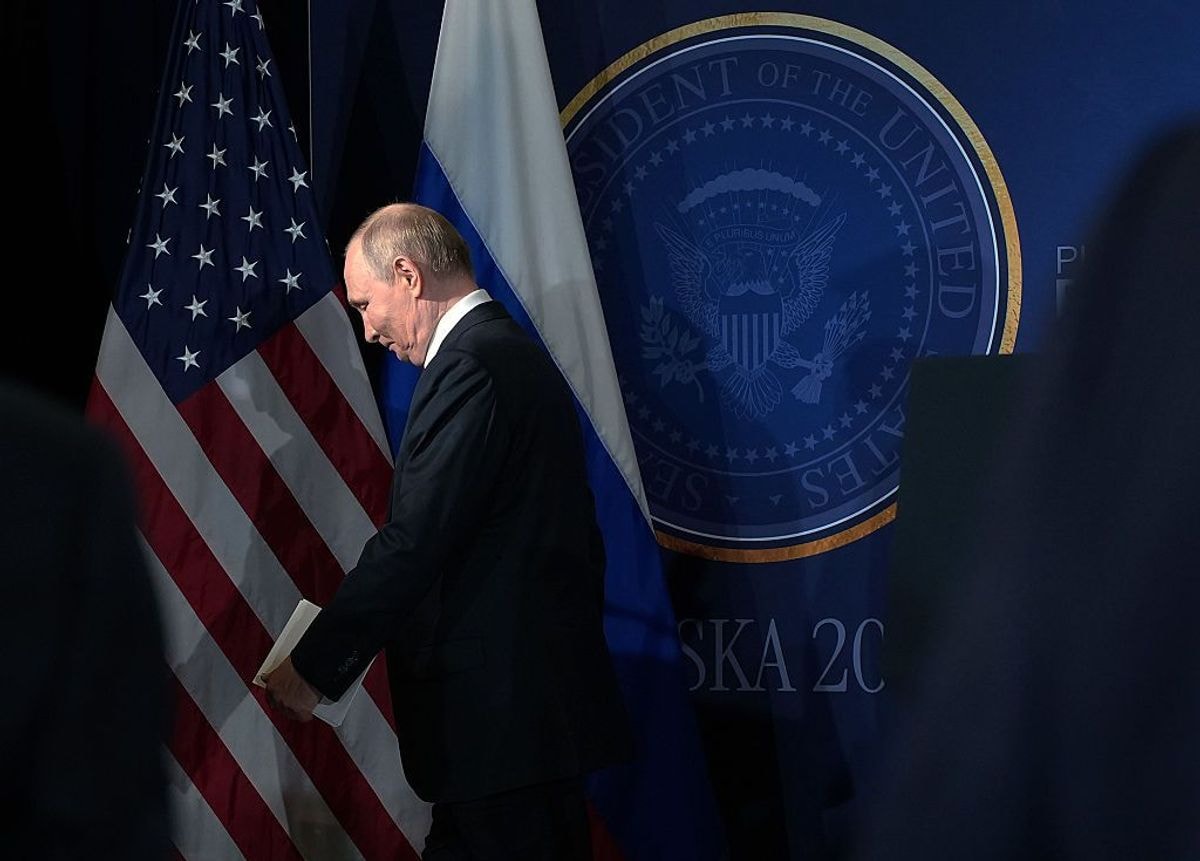
The date of Russian President Vladimir Putin's visit to Turkey to meet with Turkish President Recep Tayyip Erdogan, which was reportedly to take place in February, is "yet to be determined," Kremlin spokesperson Dmitry Peskov said on Feb. 8.
Russian state-run media outlet TASS announced on Jan. 29 that Putin was to visit Turkey in February, citing Yuri Ushakov, an advisor to Putin. State-controlled news agency RIA Novosti reported on Feb. 7 that the trip had been postponed.
The visit is now likely to take place in late April or early May, RIA Novosti said, citing a source in Ankara.
Peskov said that preparations were ongoing but the exact date will take into account "the electoral cycle in our country and the busy work schedule of the Turkish president."
Russia will hold a presidential election on March 17, while Turkey will hold local elections on March 31.
Putin's international visits have been curtailed since the International Criminal Court (ICC) issued an arrest warrant in March 2023 for his role in the deportations of Ukrainian children. Turkey is na ot party to the ICC's Rome Statute, meaning it is under no obligation to detain Putin.
Turkey, despite being a member of NATO, positions itself as a mediator between the belligerents of the war.
Ankara played a crucial role in brokering the grain deal that allowed for the resumption of maritime trade out of Ukrainian ports in July 2022. Since the agreement's collapse in July 2023 following Russia's unilateral exit, Turkey has kept in contact with Kyiv and Moscow.
Erdogan visited Russia in September 2023 and met with Putin to discuss the grain deal and other issues.