Putin signs law ratifying strategic partnership treaty with Iran
 on Google

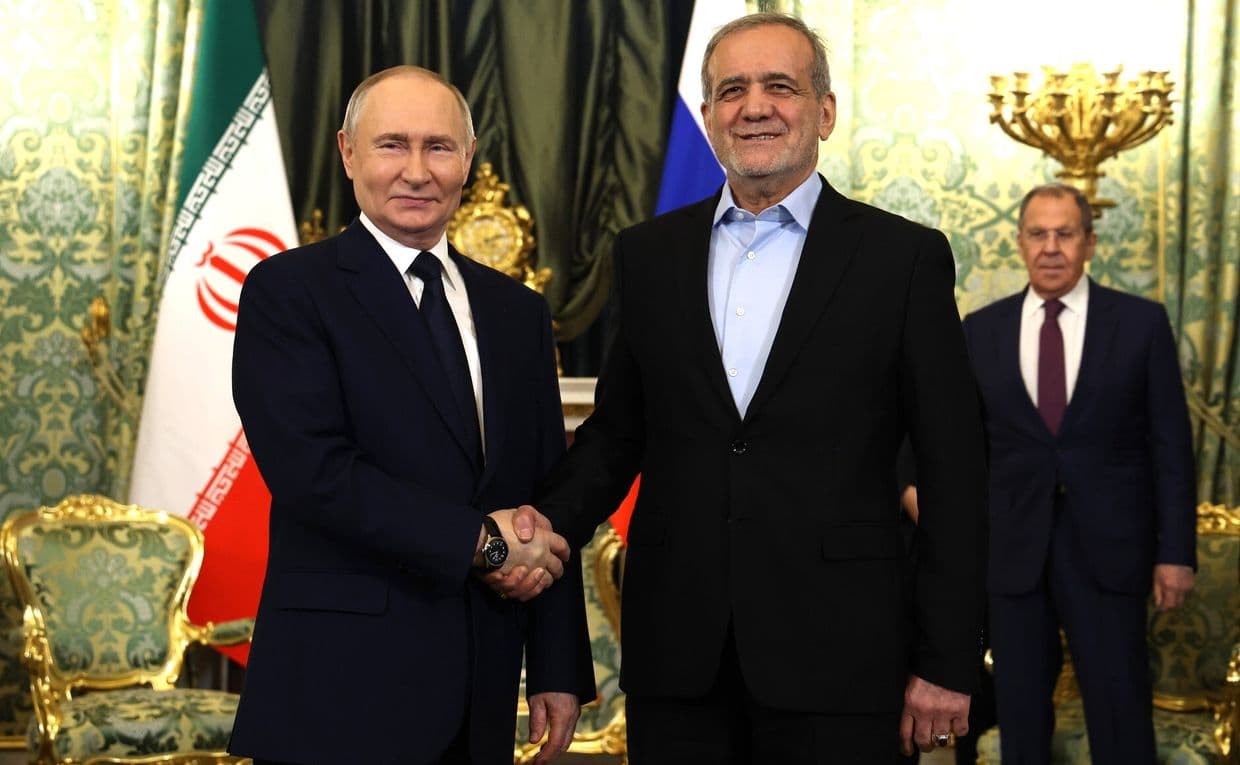
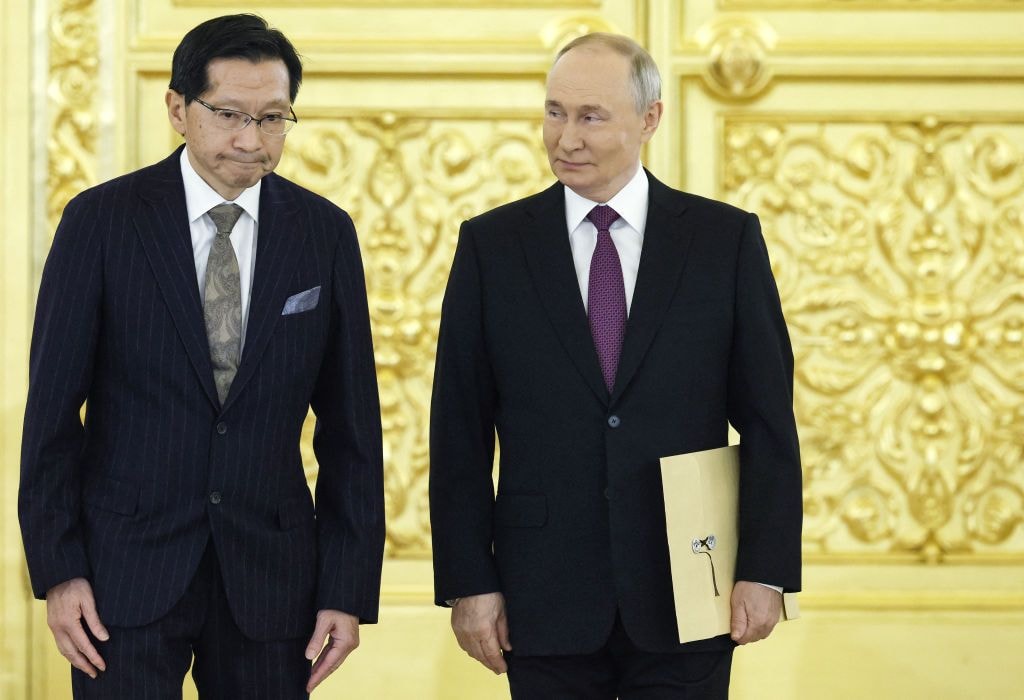
Russian President Vladimir Putin has signed a law ratifying a comprehensive strategic partnership agreement with Iran, Russian state-controlled media reported on April 21.
The agreement was initially signed during a summit between Putin and Iranian President Masoud Pezeshkian in Russia on Jan. 17, where the leaders pledged closer cooperation in trade, defense, energy, and regional infrastructure projects.
The law on the treaty was approved by the State Duma, the lower house of Russia's parliament, on April 8 and passed the Federation Council on April 16, with the presidential signature remaining as the final step.
According to the Kremlin, the agreement aims to bolster bilateral relations across key sectors, including investment, transport, logistics, and humanitarian efforts, while also addressing pressing regional and global issues.
Both countries have also pledged not to provide assistance to any third party involved in military conflict with the other.
Russian and Iranian officials have framed the deal as a response to increasing geopolitical pressure from the West.
Iran and Russia have seen their ties strengthen significantly since the launch of Russia’s full-scale invasion of Ukraine in 2022.
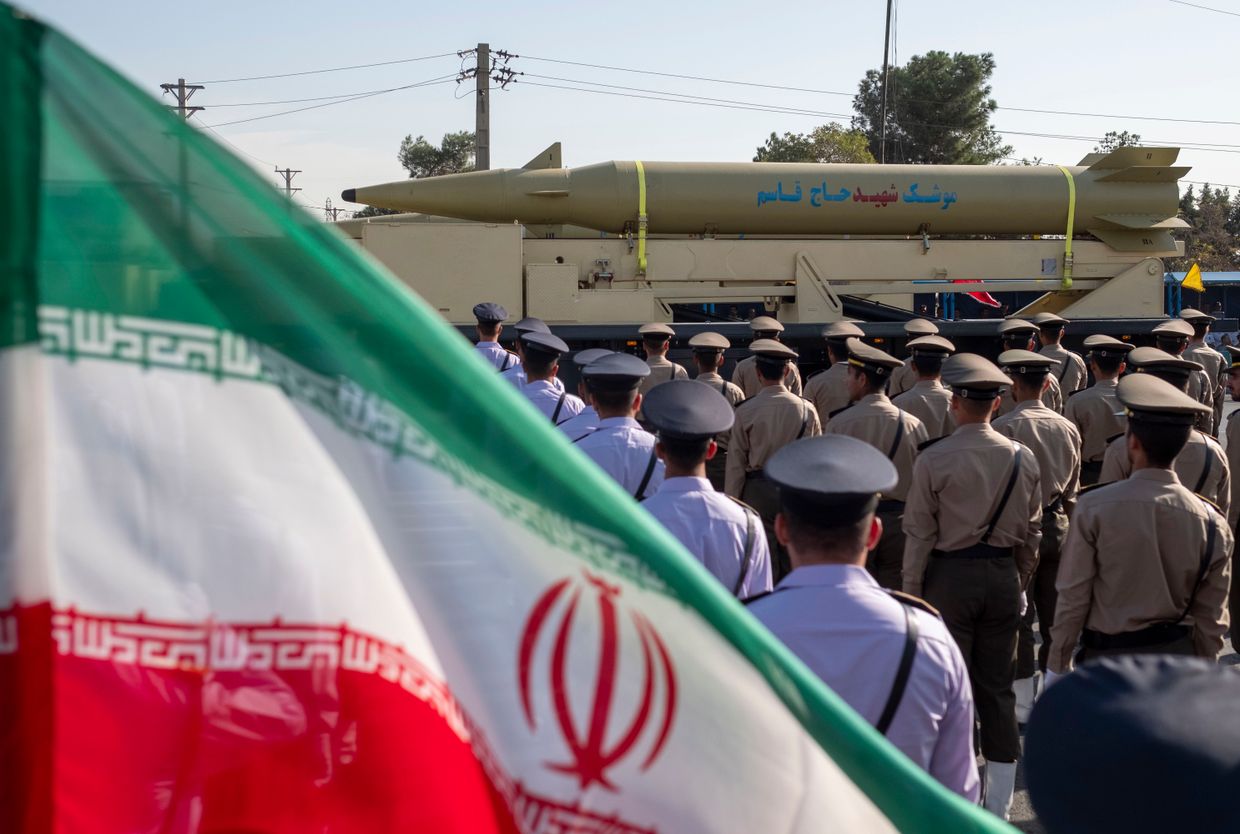
Tehran has supplied Moscow with thousands of Shahed drones used in attacks on Ukrainian infrastructure, as well as short-range ballistic missiles. With Iranian assistance, Russia has begun producing its own variants, known as Geran-2.
This ratification follows a similar move by Putin in June 2024, when he signed a defense-oriented partnership agreement with North Korea.
That pact included mutual military support clauses and has since seen Pyongyang reportedly dispatch up to 12,000 troops to Russian territory to help defend against Ukrainian cross-border operations in Kursk Oblast.