Facing an intelligence scandal at home, Orban shifts blame to Ukraine — again
 on Google
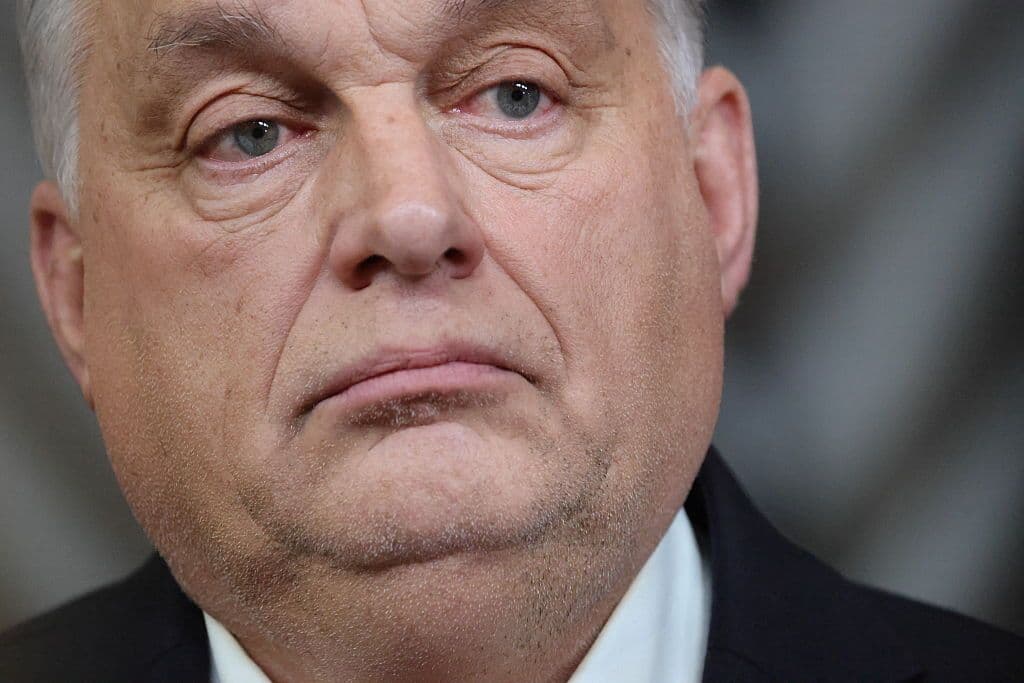
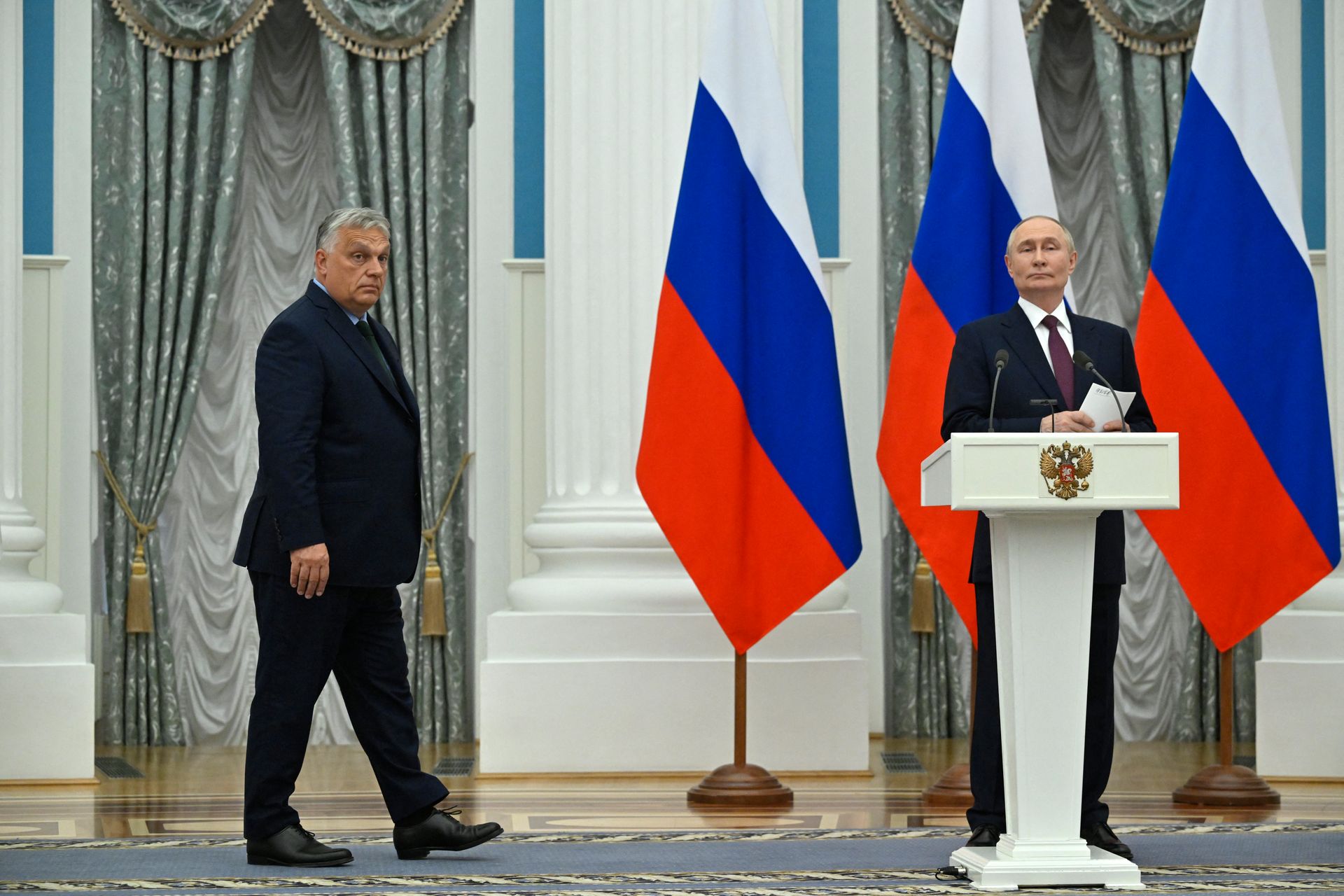
Hungarian Prime Minister Viktor Orban on March 26 alleged that Ukrainian intelligence is interfering in Hungary's politics, only a few weeks before crucial parliamentary elections.
The statement is an apparent attempt to deflect blame amid a domestic scandal in which Hungarian secret services were accused of targeting the opposition Tisza party.
Facing a real chance of defeat during the April 12 vote, Hungary's Kremlin-friendly leader, whose 16 years in power have been marked by democratic backsliding and deepening energy ties with Russia, has made anti-Ukrainian rhetoric a centerpiece of his campaign.
"I call on President (Volodymyr) Zelensky to immediately order his agents home and respect the will of the Hungarian people," Orban said in a recorded statement on social media.
The prime minister accused Kyiv of activating agents "previously embedded in Hungarian politics" and alleged that Ukrainian operatives and Ukraine-paid IT specialists "are moving in and out of the Tisza party."
Orban, known for repeatedly blocking EU aid to Kyiv and sanctions against Moscow, has often accused Ukraine of colluding with Tisza, without presenting any evidence.
Kyiv has not responded to Orban's claims.
The allegations come shortly after investigative outlet Direkt36 reported that in July 2025, authorities questioned two IT specialists linked to the Tisza party over child pornography allegations.
No evidence of child pornography was found, and Direkt36 reported that the case was heavily influenced by Hungarian intelligence agencies. The investigation also uncovered a suspected plot to compromise Tisza's IT systems.
Following the revelations, Tisza leader Peter Magyar accused Orban of abusing intelligence services for political purposes and said the scandal amounted to an attempted coup, which he dubbed the "Orban-gate."
Hungarian authorities then came out with claims alleging links between the two IT specialists and Ukraine.
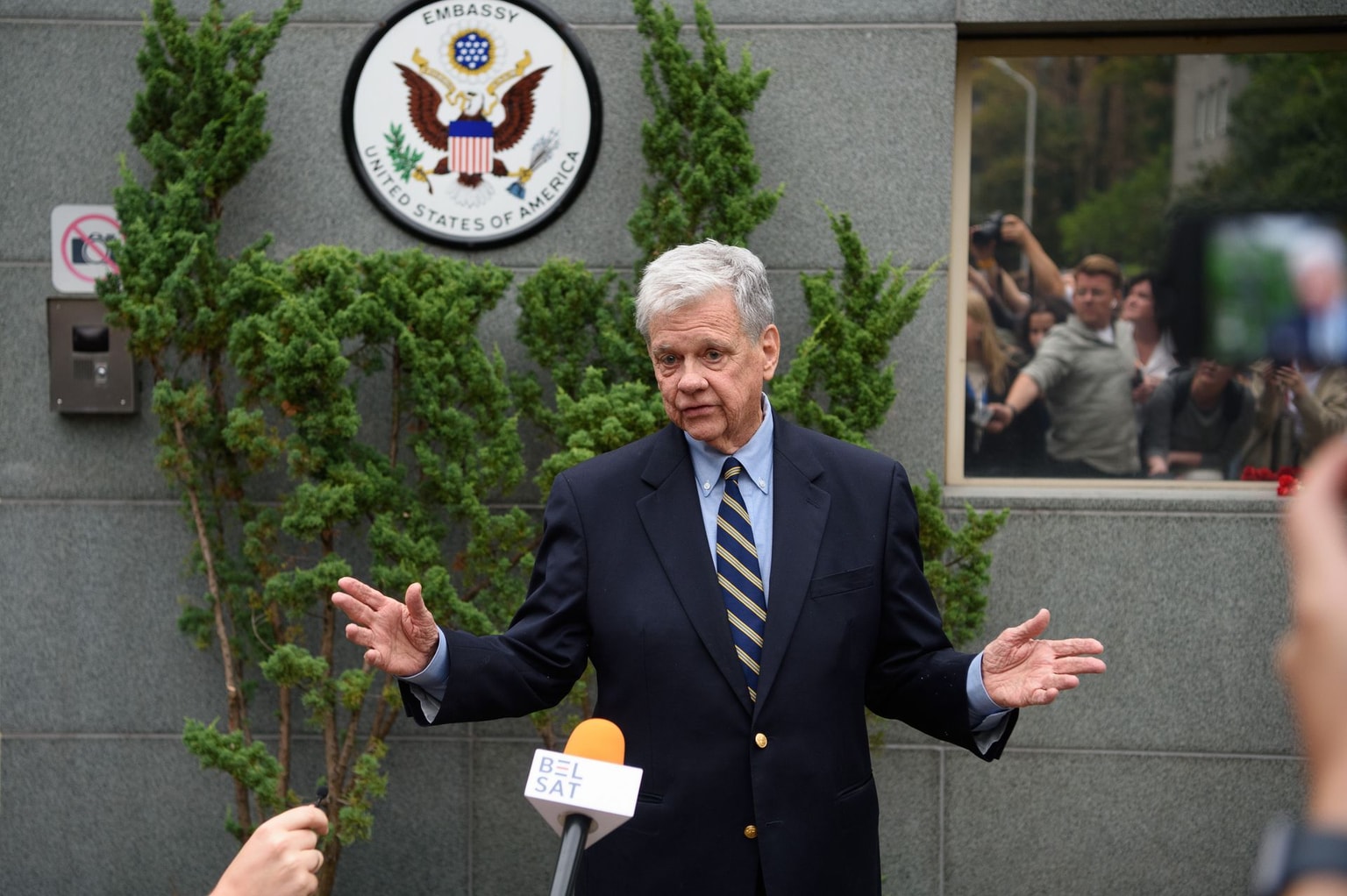
According to a report partially released by Hungary's National Security Committee, the specialists maintained regular contact with the Ukrainian embassy in Budapest, pro-government outlet Mandiner wrote on March 25.
"The spies have cover professions, and in this case, they were working as IT experts," said Gergely Gulyas, the minister of the prime minister's office, during a government meeting on March 26. "Why are Ukrainian spies working within the Tisza party?"

Interference accusations
This is not the first time in recent days that the Hungarian strongman has alleged foreign interference in Hungarian elections. On March 24, he accused "foreign intelligence services" of wiretapping Hungary's Foreign Minister Peter Szijjarto.
The accusation followed the Washington Post's report that Szijjarto maintained regular contact with his Russian counterpart, Sergey Lavrov, during EU meetings — which the Hungarian minister later admitted.
The government also filed espionage charges against investigative journalist Szabolcs Panyi, known for covering Russian intelligence operations in Hungary.
Pro-government media previously released a recording of Panyi discussing a phone number used by Szijjarto, as part of the journalist's investigation into the minister's communications with Lavrov.
Magyar, in turn, has accused Russia of meddling in the elections, including by dispatching its operatives to bolster Orban's campaign through disinformation tactics.
Most recently, the opposition leader said that Hungarian intelligence, "in cooperation with Eastern powers," deployed military-grade spyware against Tisza's IT networks.
According to the Washington Post, Russian operatives even suggested staging an assassination of Orban to rally his supporters.
Analysts previously told the Kyiv Independent that Orban's government is using external issues, such as Ukraine, to boost the popularity of his Fidesz party.
The latest opinion poll by the independent pollster Median showed Tisza leading Fidesz by 16%.
read also
 Martin Fornusek
 Martin Fornusek