New US strategy document takes hard line on Europe's 'trajectory,' NATO enlargement
 on Google
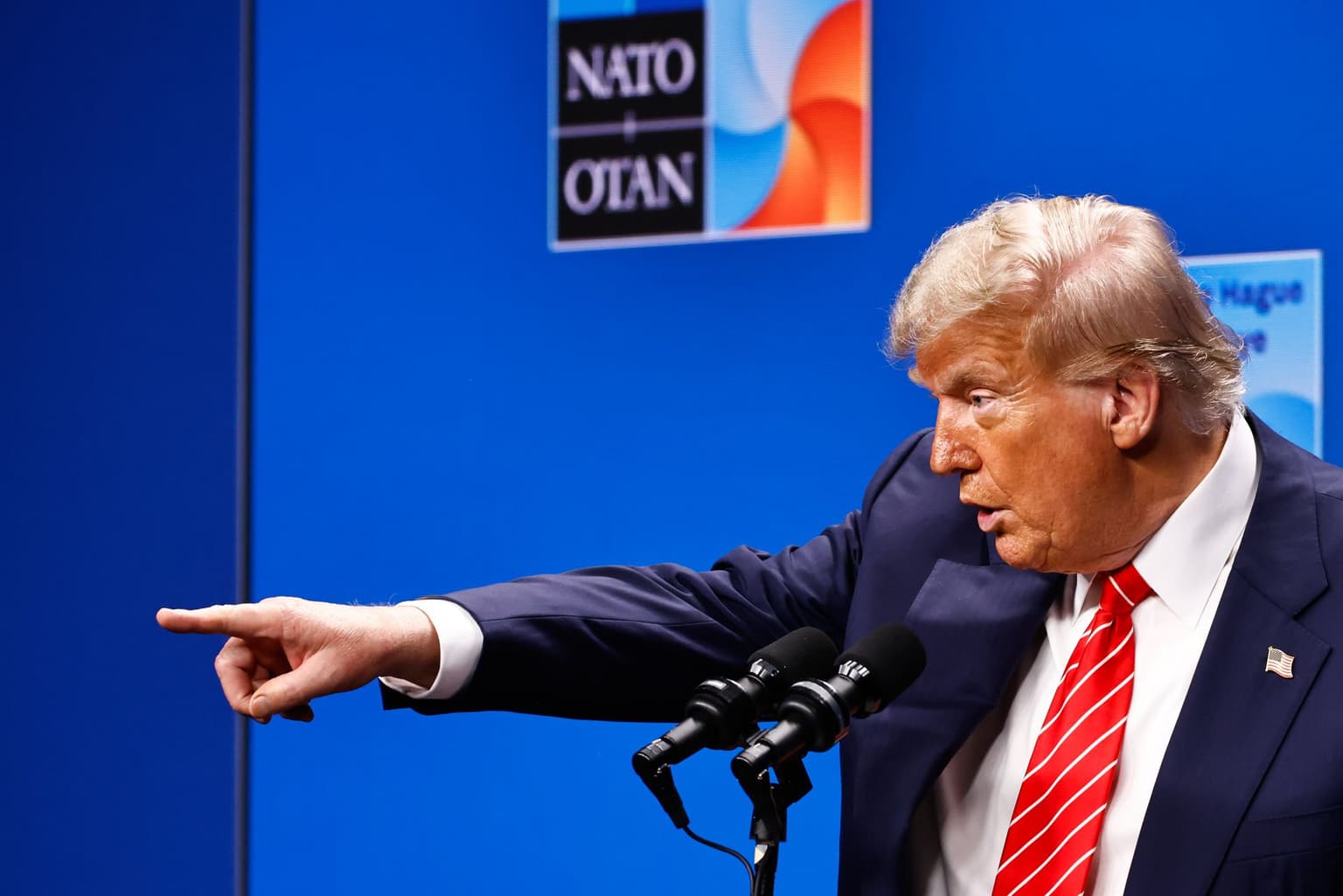
The U.S.'s policy in Europe should "correct" the "current trajectory" of European nations, according to the National Security Strategy published on Dec. 4, which takes an unusually critical tone toward Washington's transatlantic allies.
The document says that it is in the U.S. interest to "negotiate an expeditious cessation of hostilities in Ukraine" to enable the country's post-war recovery and survival, stabilization of European economies, and to "reestablish strategic stability with Russia."
The doctrine's content highlights the foreign policy shift under the second Trump administration, which is moving away from traditional transatlantic relations toward more ideologically grounded priorities.
In the document, the U.S. accuses the EU and "other transnational bodies" of "civilizational erasure" via migration policies and censorship, resulting in a "loss of national identities and self-confidence."
The wording echoes long-standing views of the current U.S. administration.
During his speech at the Munich Security Conference in February, Vice President JD Vance identified "uncontrolled migration" and the "retreat" of free speech as the main security challenges facing Europe, while downplaying the threats posed by Russia and China.
Trump's team has also radically altered the U.S. policy on Ukraine, replacing weapons donations with sales while pushing for a quick peace deal with Moscow, even at the cost of painful concessions on Ukraine's part.
The paper praises the surge of "patriotic" European parties, in an apparent reference to the growing popularity of nationalist-populist parties across the continent.
It also argues that Europe must learn to "stand on its own feet" and take responsibility for its own defense, enabling it to protect itself from "any adversarial power." U.S. diplomatic engagement is necessary to mitigate the risk of conflict between European countries and Moscow, the document reads.
The strategy takes a critical view of NATO expansion, saying it is time to end the perception that "NATO as a perpetually expanding alliance."
This signals a shift from the alliance's post-Cold War strategy, which saw NATO expand with the addition of new members in Central, Eastern, Southeastern, and Northern Europe. It also casts a bleak outlook for Ukraine, which applied for NATO membership in 2022 amid Russia's full-scale invasion.
The Trump administration has repeatedly objected to Kyiv's aspirations to join the military bloc, with Trump even describing the effort as a key reason for Russia's full-scale invasion – a statement echoing Kremlin talking points.
The strategy also warns that "within a few decades at the latest, certain NATO members will become majority non-European," a factor that supposedly casts doubt on the nations' commitments to the alliance.
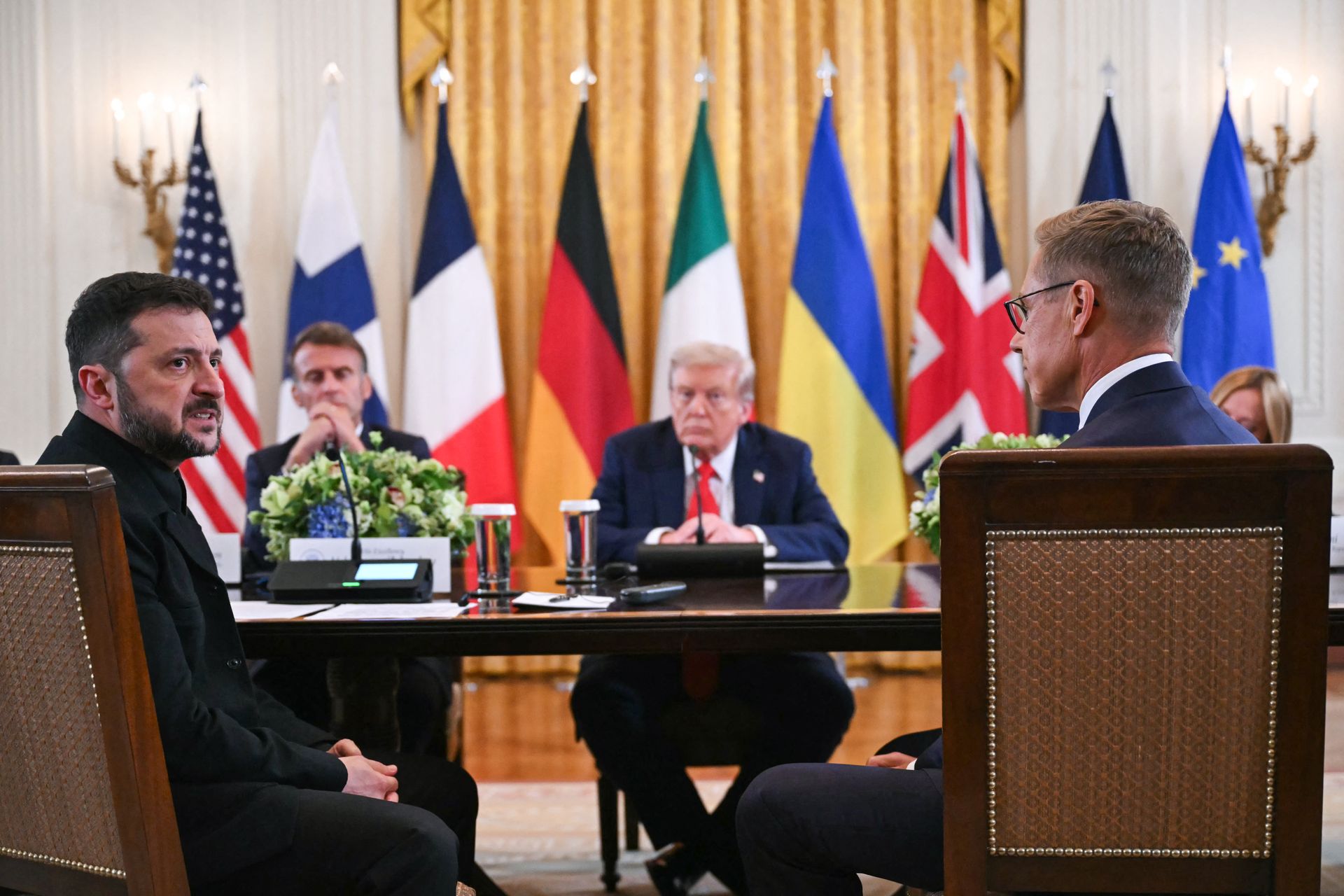
The document was published amid growing tensions between Washington and its European allies, with the approach toward Russia and Ukraine becoming the key points of contention.
According to a transcript of a call obtained by the Kyiv Independent, German Chancellor Friedrich Merz warned that Washington is "playing games" with Europe and Ukraine, while French President Emmanuel Macron warned the U.S. could "betray Ukraine" on territorial issues during talks with Russia.