‘It feels like that has been taken away from us’— Russia’s rail attacks make travel in Ukraine riskier
 on Google
Passengers on an overnight train from Kyiv to Lviv were jolted awake in the early-spring cold around 2:30 a.m. and told to get off in a wooded area near Shepetivka in western Ukraine under new security protocols introduced by Ukrzaliznytsia, Ukraine’s state railway company, as Russia steps up attacks on rail infrastructure. The train resumed its journey about two hours later.
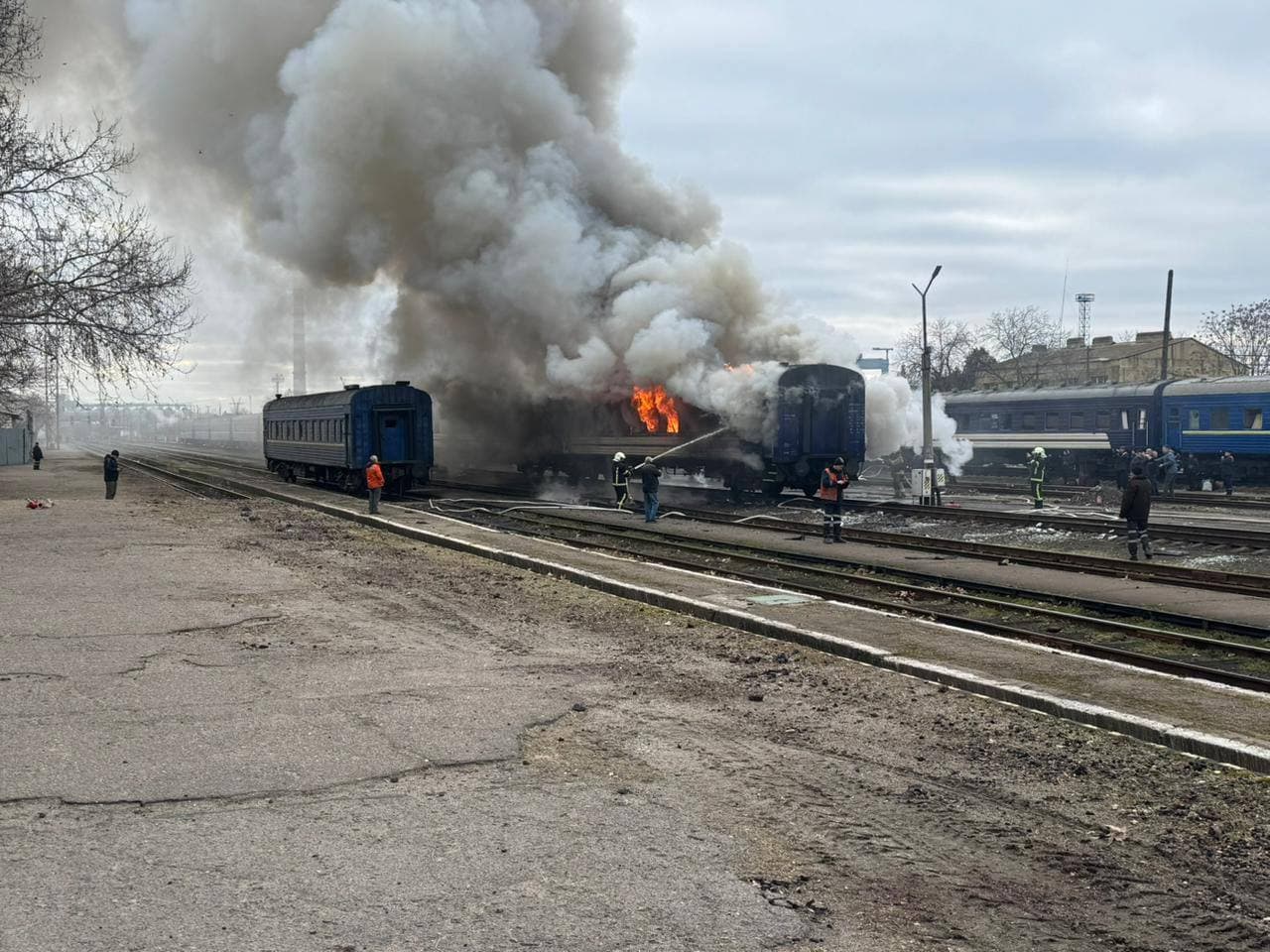
In the first four days of March, Russia struck railway assets 18 times — an average of 4.5 attacks a day — using unmanned aerial vehicles (UAVs) and FPV drones, Ukrzaliznytsia reported, adding that the attacks damaged 41 railway facilities.
Moving cars, including passenger trains, have become one of the primary targets, often resulting in civilian casualties.
On March 2, a drone strike hit a passenger train in Apostolove, Dnipropetrovsk Oblast, killing one civilian and injuring at least 10 others. Two days later, a railway station in Zatoka, Odesa Oblast, was struck, killing a railway worker and wounding three people, including two children.
To address growing threats, Ukrzaliznytsia works with the military to monitor airspace along its routes.
"If a threat is detected, railway workers change train routes, promptly evacuate passengers from the cars, and take other safety measures," the company said in a statement.
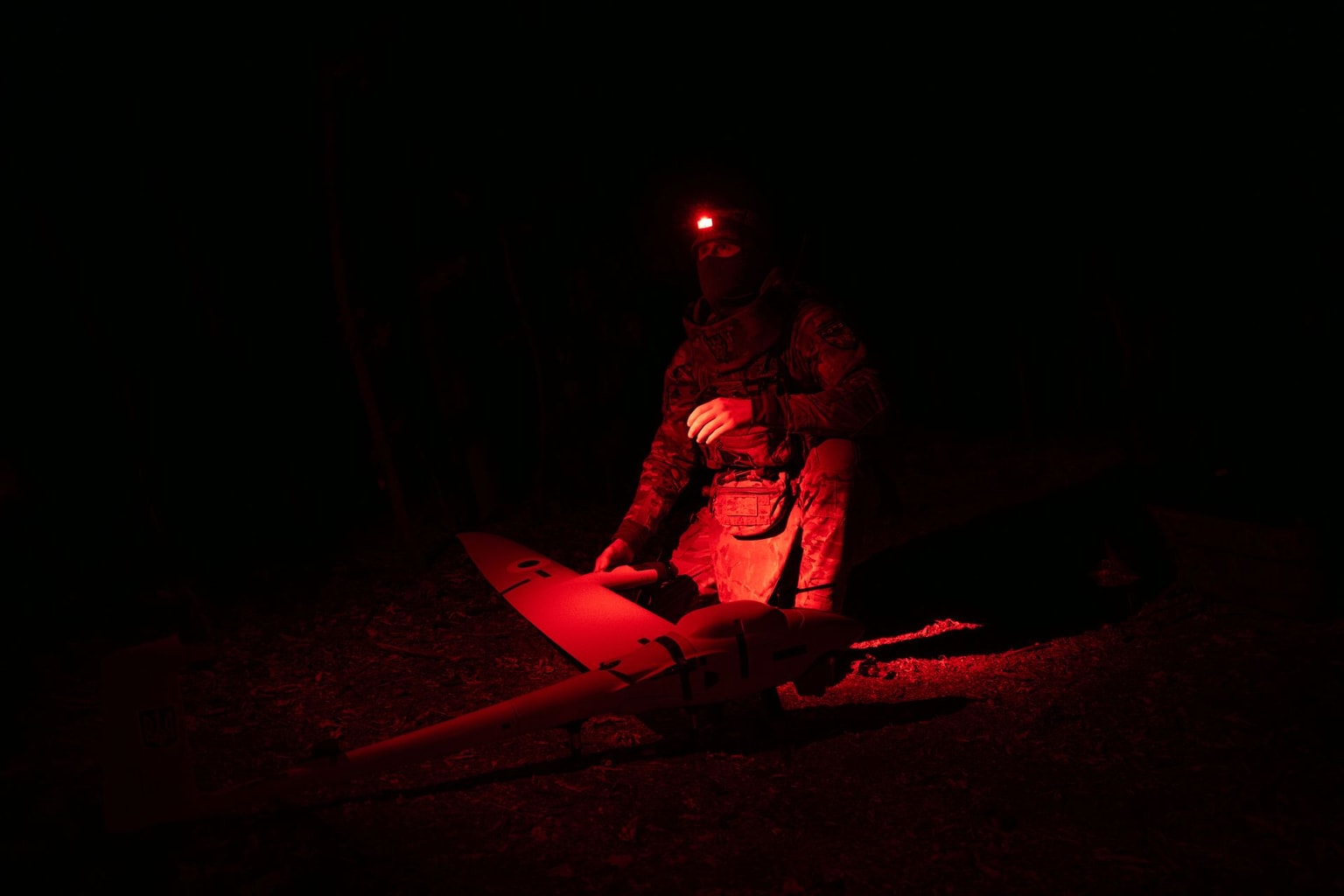
Sometimes this means spending two hours outside in a forest in the middle of the night, listening for an approaching Shahed drone to decide what to do next. There are few options — wait, get back on the train, lie down, or run.
For Yulia Tymoshenko, CEO of Ukrainer media, the uncertainty was more exhausting than frightening. Tymoshenko was on board the train that stopped near Shepetivka.
"I wasn't scared, but I was really exhausted. There was a threat of Shahed drones — if one had been flying toward us, we would have heard it and decided what to do. Everyone who had a connection was checking monitoring channels to see what was flying and where," she told the Kyiv Independent.
Shepetivka is a key rail and logistics hub for civilian and military transport that links western Ukraine with central and eastern regions. That makes this stretch of railway particularly vulnerable.
"Because Ukraine’s civilian and military transport rely on the same rail network, attacks on railway infrastructure carry significant risks for civilians," Olha Polishchuk, Eastern Europe analyst at conflict monitor ACLED, told the Kyiv Independent.
Polishchuk said Russia is increasingly targeting railway infrastructure to disrupt Ukraine’s military logistics and troop movements, while putting pressure on the domestic transport system.
Between two risks
For civilians, the question remains whether it is safer to stay on the train or get off. While the train may offer some protection from debris, remaining inside could be deadly in the event of a direct hit.
"But outside, you have more options. It’s terrifying to burn inside the train because you can’t get out of the car," Tymoshenko said.
She stayed outside for some time and eventually returned to the train before the danger had fully passed. She said the conductor told everyone to get off, but there were no strict instructions on what to do next, and passengers were allowed back on board.
The Kyiv Independent reached out to Ukrzaliznytsia to ask how the new rules work. At the time of publication, the company had not responded.
Growing pressure
Tymoshenko said the growing attacks on railway infrastructure in 2026 were not surprising. What she did not expect was that trains far from the front line could also become targets, making travel across the country feel more dangerous.
"It’s depressing. Ukrzaliznytsia gave a sense of normality. Over the past four years, it has become a kind of backbone. And now it feels like that has been taken away from us," she said.
Despite being a strategic target since the beginning of the full-scale invasion, Ukrzaliznytsia has never stopped operating. In the early days of the war, it played a crucial role in evacuating civilians across the country.
Over time, eight international routes were launched, making trains the main alternative to planes after Ukraine’s airspace was closed. Ukrzaliznytsia also continues to run routes as close to the front as security allows — for example, to the front-line city of Kherson in southern Ukraine — and says this remains a priority.
"It is about logistics for residents and the possibility to evacuate to safer regions of Ukraine," the company said in a statement.
The train eventually arrived four hours late. Tymoshenko was heading to an event where she was scheduled to speak. She had prepared a backup plan, but ultimately made it there straight from the train.
"We are so adaptive. There is nothing special about it. That's just how people's brains work," she said, adding that people are simply too tired to react to every threat.
"Passengers were joking that soon there will be trains with machine guns on them shooting down Shahed drones — and I don't think that's crazy. If that happens, it will bring back some sense of normality," she added.