Ukraine has a new commander-in-chief — Who is Mykhailo Drapatyi?
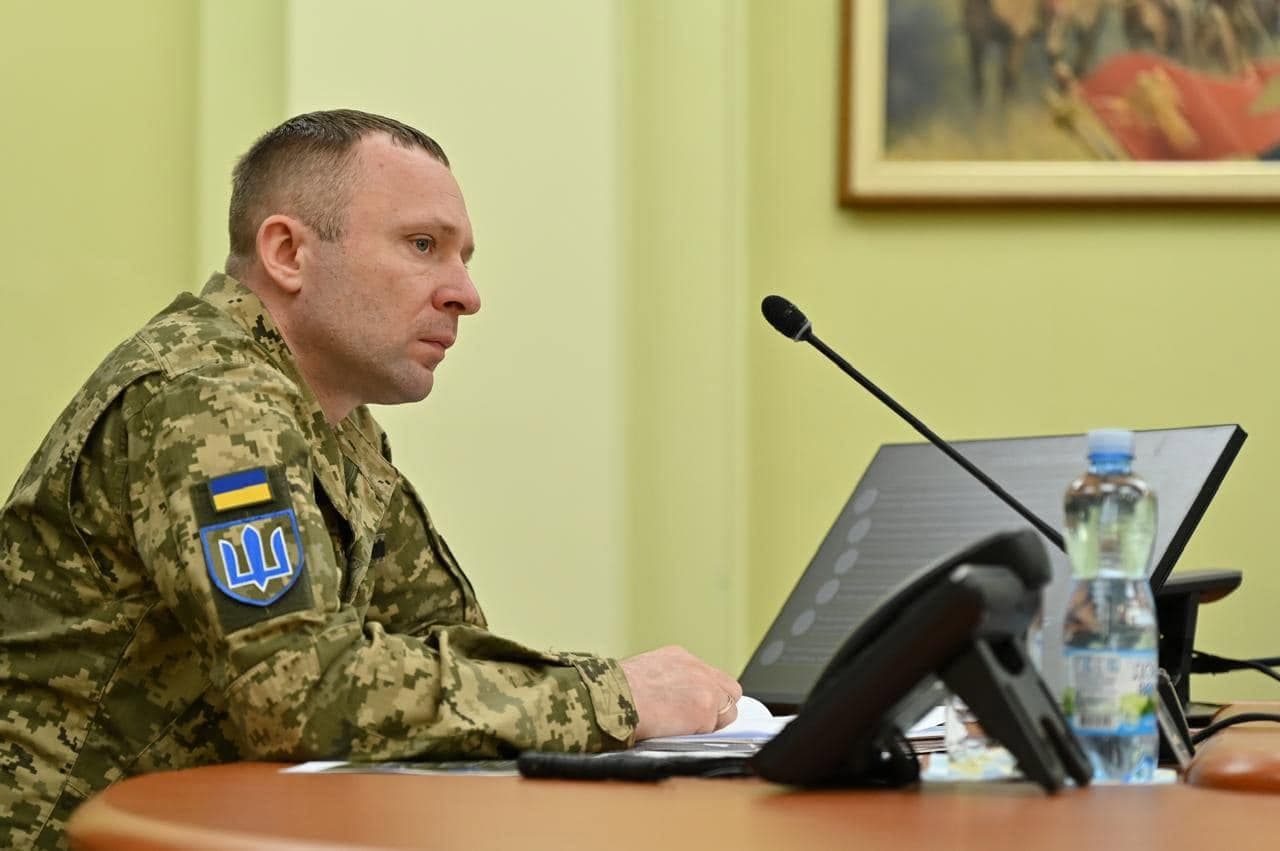
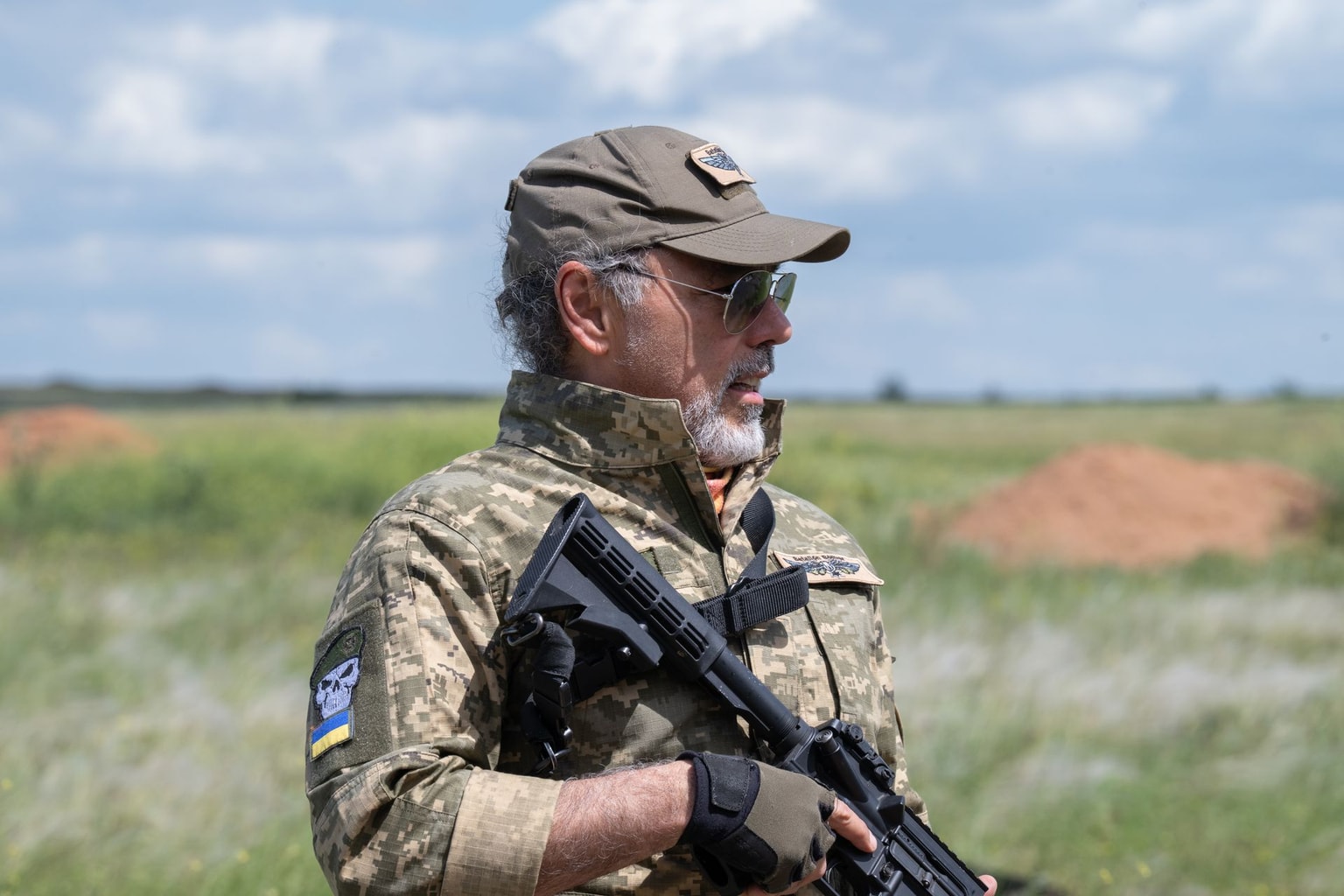
Mykhailo Drapatyi pictured in January, 2025 (Facebook)
 on Google
Latest: Zelensky dismisses Commander-in-Chief Syrskyi amid widespread protests.
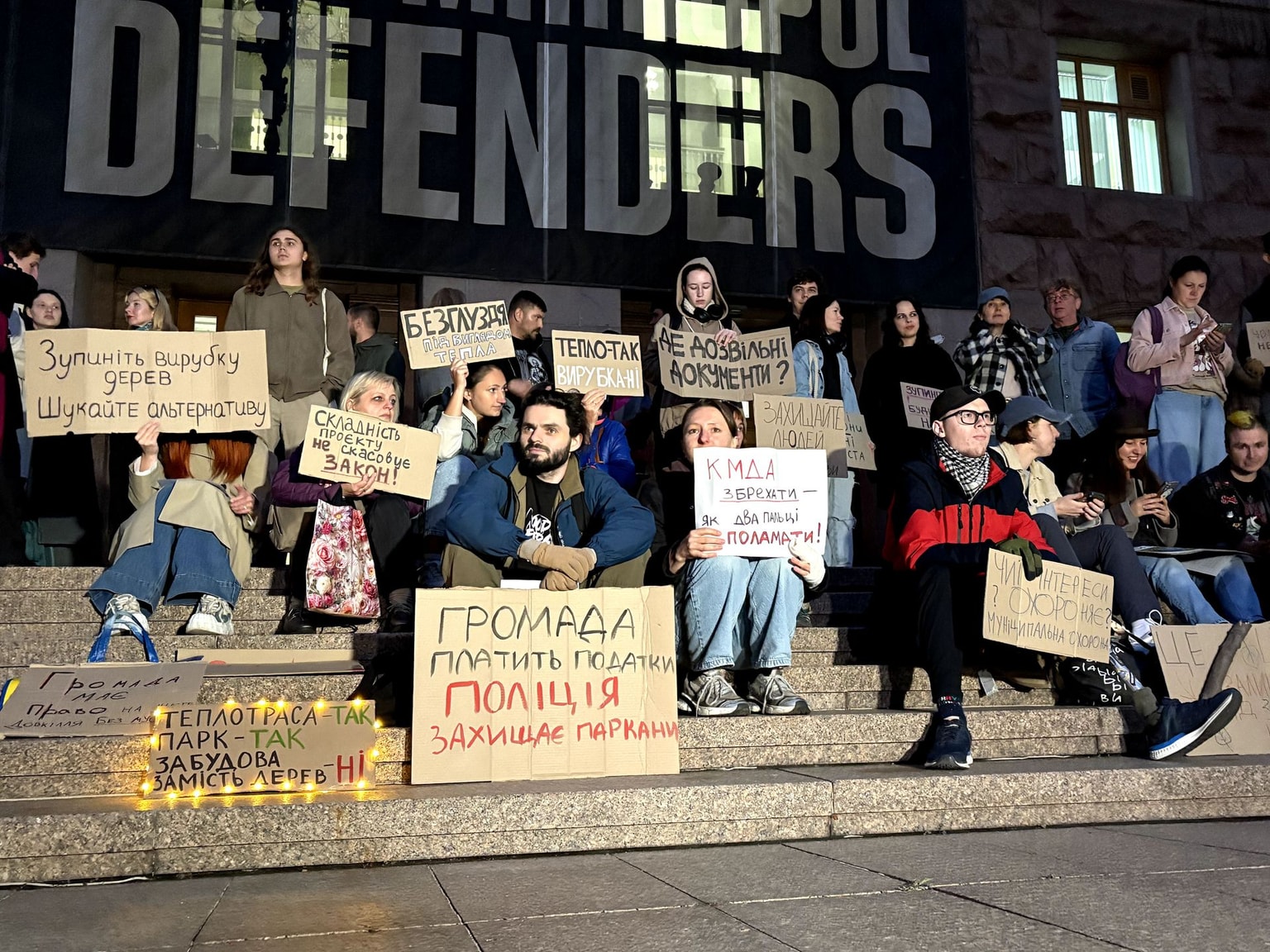
Thousands of protesters gathered nightly in central Kyiv in recent days, many of them calling out the name of one of Ukraine's most respected generals: "Drapatyi!"
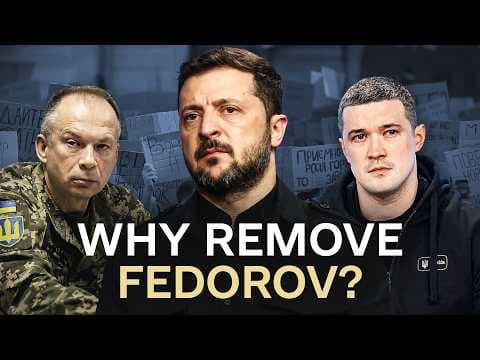
The mass protest in the capital, which began on July 15 after President Volodymyr Zelensky ousted Ukraine's popular, reform-minded Defense Minister Mykhailo Fedorov, had turned into a call to replace Oleksandr Syrskyi, the commander-in-chief.
As details surrounding Fedorov's dismissal emerged, attention shifted to his deteriorating personal and professional relationship with Syrskyi, and many of the protesters, some of whom are soldiers and veterans, urged the president to replace Syrskyi with Joint Forces chief Mykhailo Drapatyi.
On the evening of July 21, he did just that.
Drapatyi thanked Zelensky for entrusting him with the role, calling it a new stage of service and pledging to lead with responsibility.
"Serving Ukraine has always been an honor for me, and during the war for independence it means absolute responsibility," Drapatyi said in a Facebook post following the announcement.
"I will work responsibly, with focus, and with respect for the people who are defending our state today."
He also expressed gratitude to Syrskyi, crediting him with helping shape his military career.
Though much about the media-shy 43-year-old major general is unknown, he is respected by long-serving top military commanders as an effective leader.
Zelensky said he met Drapatyi twice over the past two days, while also holding meetings with Air Assault Forces Commander Oleh Apostol and Deputy Chief of General Staff Volodymyr Horbatiuk, as well as with the leaders of top Ukrainian units — Third Army Corps Commander Andriy Biletsky, Khartiia Corps Commander Ihor Obolienskyi, and Azov Corps Commander Denys Prokopenko.
Zelensky had not publicly commented on the possibility of firing Syrskyi, who has increasingly faced criticism from younger officers for his top-down, Soviet-era command style, centered on micromanagement by senior leadership, and holding positions regardless of the human cost.
Drapatyi has repeatedly stressed the importance of commanders taking responsibility and conducting regular self-assessments to learn from mistakes.
Praising Fedorov's six-month tenure as the defense minister, Drapatyi said he saw a genuine effort to change the rules that have long governed the military, trying to address the issues that "the system has grown accustomed to ignoring."
Supporting the former defense minister's push for initiatives that promote faster decision-making and changes in approach, Drapatyi, much like Fedorov, has called for a systematic overhaul of the army.
"The military needs change, but without justice, no change will make sense to the people who carry this war on their shoulders every day," Drapatyi said in a Facebook post on July 16, backing Fedorov the day after his dismissal.
"A commander has no right to remain silent about problems, especially when their cost is measured in lost opportunities, time, and human lives. Silence does not protect the army; it only allows mistakes to accumulate until they become much more difficult to correct."
Who is Mykhailo Drapatyi?
Drapatyi previously commanded the Joint Forces, a newly established command structure for the front line in and around northeastern Kharkiv Oblast.
Since he began overseeing Kharkiv Oblast in fall 2025, Ukrainian military units, including the Khartiia Brigade, have liberated swathes of territory in and around Kupiansk, which was then under threat. It is unclear how much of the battlefield success can be attributed to Drapatyi, as units such as Khartiia led the operation.
Before taking over the Joint Forces, Drapatyi led the Dnipro operational-strategic group (OSUV), a large umbrella command structure that oversaw the eastern front lines until Syrskyi disbanded it in October 2025.
As commander of OSUV Dnipro grouping, Drapatyi was respected for his ability to "ask his subordinates for their opinions and what support they need," rather than just giving orders, Rob Lee, a senior fellow at the D.C.-based Foreign Policy Research Institute's Eurasia Program, told the Kyiv Independent.
Lee, who regularly visits the front lines, said his assessment was based on conversations with several brigade commanders.
Earlier in the full-scale war, Zelensky appointed Drapatyi to command the Ground Forces in 2024, the largest branch of the armed forces.
Starting his military career as a tank lieutenant at 21, Drapatyi climbed the career ladder through tough battles on the front lines to become an army commander.
"Given his experience, reputation, and emphasis on reforms, Drapatyi would be an excellent choice as commander-in-chief of the Armed Forces," Lee said.

The 'flying BMP' and Drapatyi’s rise
A native of Kamianets-Podilskyi in western Ukraine, Drapatyi graduated from the Kharkiv Institute of Tank Forces in 2004, at a time when the military was starting to deviate from its Soviet legacy.
At the outset of Russia's proxy occupation of parts of Donetsk and Luhansk oblasts in 2014, Drapatyi — then holding the rank of major — served as a battalion commander in the 72nd Mechanized Brigade, quickly seeing action in the chaotic effort to suppress Russian efforts to overwhelm Mariupol.
In an episode that has since gained legendary status, a BMP from Drapatyi’s battalion smashed through one of the makeshift barricades set up by proxy forces on one of Mariupol’s main avenues.
The audacious attack was the prelude to the full restoration of Ukrainian control over Mariupol, and an important symbol of Ukraine’s will to push back the so-called "separatists."
When Russia launched its full-scale invasion of Ukraine in 2022, Drapatyi commanded the defense of one of the lesser-known but most critical sectors of the frantic early phase of the war.
As deputy commander of the Armed Forces’ Operational Group South, Drapatyi stopped Russian forces’ advance toward Kryvyi Rih in Dnipropetrovsk Oblast, averting what could have been a strategic-level disaster for Ukraine.
Later that year, the general played an important role in the liberation of Kherson and the expulsion of Russian forces from the western bank of the Dnipro River.
In 2024, when Russian forces stormed across the state border in a frightening new offensive on Kharkiv, Drapatyi’s organization of the response — limiting Russia to two small buffer zones on the border — earned him extra recognition at a time when scrutiny of Syrskyi’s broader leadership was growing.
Half a year later, the general was named commander of the Ground Forces, which, in his words, he found in a state of "management stagnation."
An atmosphere of fear, lack of initiative, closedness to feedback, indifference to personnel problems, facade discipline, and a deep gap between headquarters and units;” Drapatyi said of the key problems he faced in the position.
The general’s struggle against these issues — which often mirrored broader hallmarks of Syrskyi’s leadership style in the General Staff — worked to build Drapatyi’s image as Ukraine’s top modern, human-focused military leader.

Taking responsibility
Drapatyi resigned as commander of the Ukrainian Ground Forces on June 1, 2025, after a Russian Iskander ballistic missile attack on a training ground operated by the 239th training center, which killed 12 Ukrainian soldiers.
"This is a deliberate step dictated by my personal sense of responsibility for the tragedy at the 239th training ground that killed our soldiers," Drapatyi said in his resignation announcement.
The attack was part of a series of Russian strikes against Ukrainian training facilities in 2025, which resulted in at least 70 deaths and hundreds of wounded soldiers. Drapatyi had promised a full and thorough investigation after Russia struck a training ground on March 1 in Cherkaske, Dnipropetrovsk Oblast, killing nearly 40 trainees, pledging to end the series of deadly attacks.
In Drapatyi’s resignation announcement, he took explicit responsibility for his inability to address the core issues behind the problem.
"Circular responsibility and impunity are poison for the army. I tried to eradicate it from the Ground Forces. But if tragedies are repeated, it means that my efforts were not enough," Drapatyi said.
"An army in which commanders are personally responsible for the lives of people is alive. An army where no one is responsible for the losses is dying from within," he continued.
"When those missile strikes happened on that training ground, he resigned," Bohdan Krotevych, ex-chief of staff of Azov, said in an interview in November 2025. Krotevych had previously worked closely with Drapatyi during his tenure as acting commander of Azov.
Krotevych explained that in his opinion, Syrskyi did not delegate enough authority to Drapatyi to allow him to make effective change.
Drapatyi, being "a man of honor" chose to resign his position instead of making excuses, he added.
He will now seek to put that emphasis on accountability into practice as the military’s top commander. In a Facebook post on July 22, Drapatyi outlined Zelensky’s priorities for his new commander-in-chief.
"The president of Ukraine has set us clear tasks: to continue and intensify offensive operations in all domains, plan new operations behind enemy lines, develop the military and its technologies, and strengthen the capabilities of the Armed Forces of Ukraine," Drapatyi said.