Trump blames Biden for provoking Russia's war by supporting Ukraine's NATO aspirations
 on Google
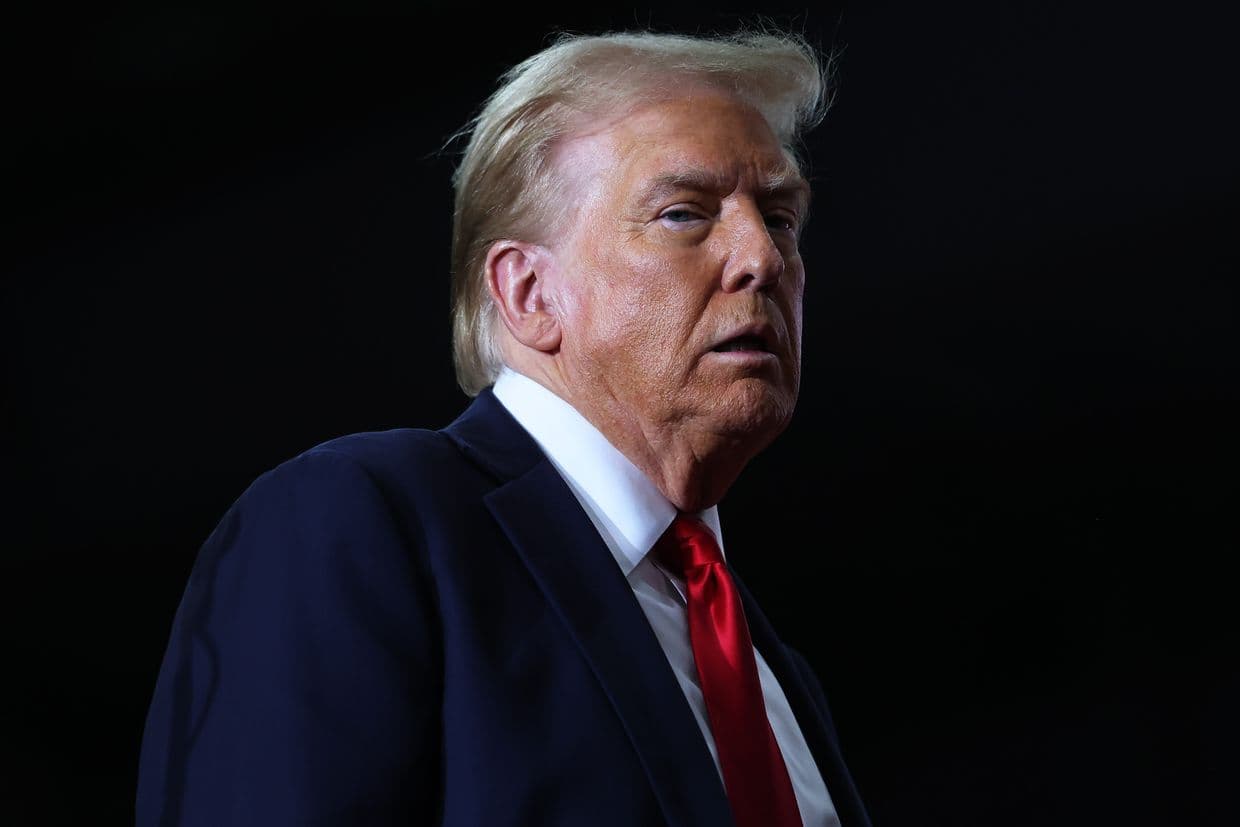
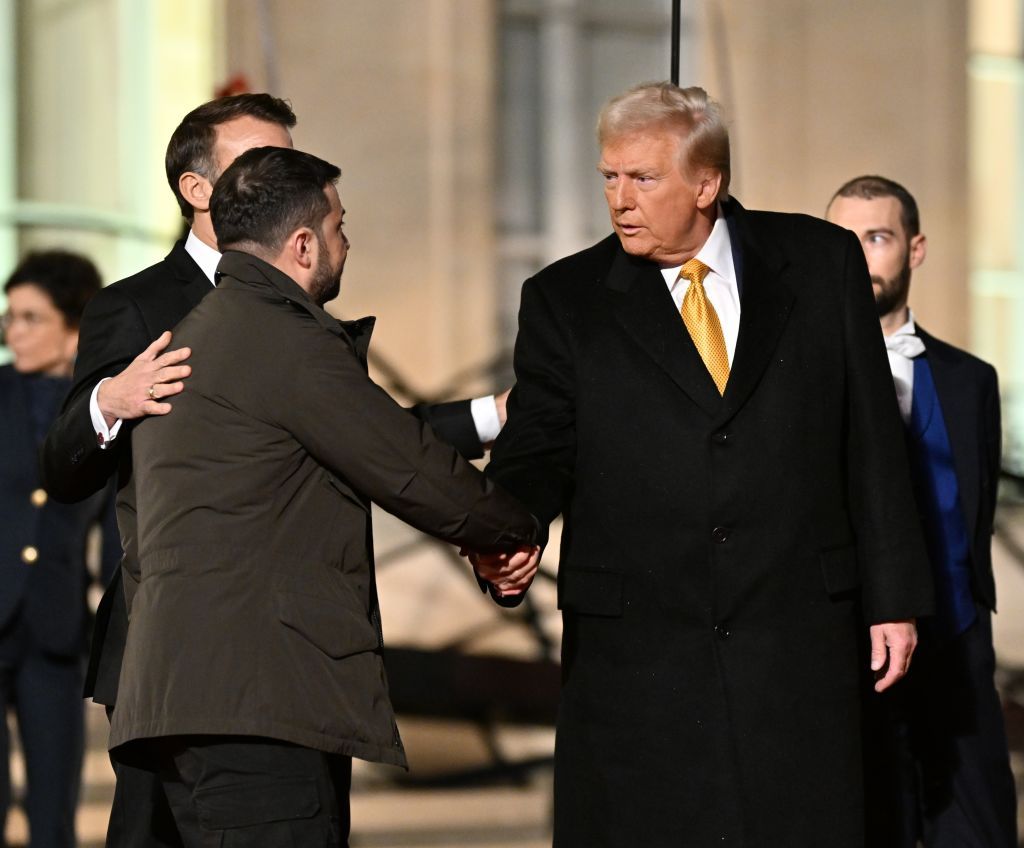
During a Jan. 7 press conference, U.S. President-elect Donald Trump blamed President Joe Biden for provoking Russia’s full-scale invasion by supporting Ukraine’s NATO membership aspirations.
Trump argued that Ukraine’s potential NATO membership has long been a major concern for Moscow. "That’s been like written in stone. And Biden said, 'No, they should be able to join NATO.' Then Russia has somebody right on their doorstep. I could understand their [Russia's] feelings about that."
A report by The Wall Street Journal has previously suggested that Trump’s team was exploring a plan to delay Ukraine’s NATO membership by at least 20 years in exchange for Western arms supplies and European peacekeepers to monitor a potential ceasefire with Russia.
Trump also criticized Biden’s foreign policy decisions, including the withdrawal from Afghanistan, repeating his claims that they contributed to Russian President Vladimir Putin's decision to launch a full-scale war against Ukraine.
When asked about possible negotiations with Putin, Trump said he would wait until after his Jan. 20 inauguration to hold talks.
"I don’t think it’s appropriate that I meet until after Jan. 20, which I hate because you know every day people are being — many, many young people are being killed — soldiers," he said.
On Dec. 19, Putin reiterated his willingness to engage in dialogue with Trump but upheld Moscow’s demands, including the desire to fully occupy four Ukrainian regions — Luhansk, Donetsk, Zaporizhzhia, and Kherson — and a rejection of Ukraine’s NATO membership.
Trump has pledged during the election campaign to bring a swift end to the war but has not outlined concrete steps for achieving peace.
Russian Foreign Minister Sergey Lavrov expressed dissatisfaction with Trump’s reported peace deal proposals on Dec. 29, saying that Moscow rejects any plan that fails to meet its demands.
Ukrainian President Volodymyr Zelensky expressed cautious optimism about working with the incoming U.S. administration, reiterating Ukraine’s commitment to a diplomatic resolution by 2025.