Fact-check: No, Ukraine's attack on Russian oil pumping station is not an 'attack on NATO'
 on Google
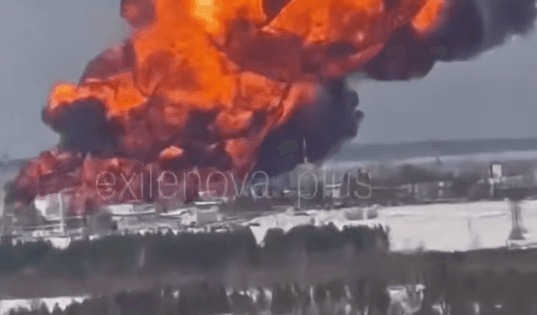
Ukraine did not attack a NATO member this week — despite efforts by some to frame its strike on a Russian oil hub that way.
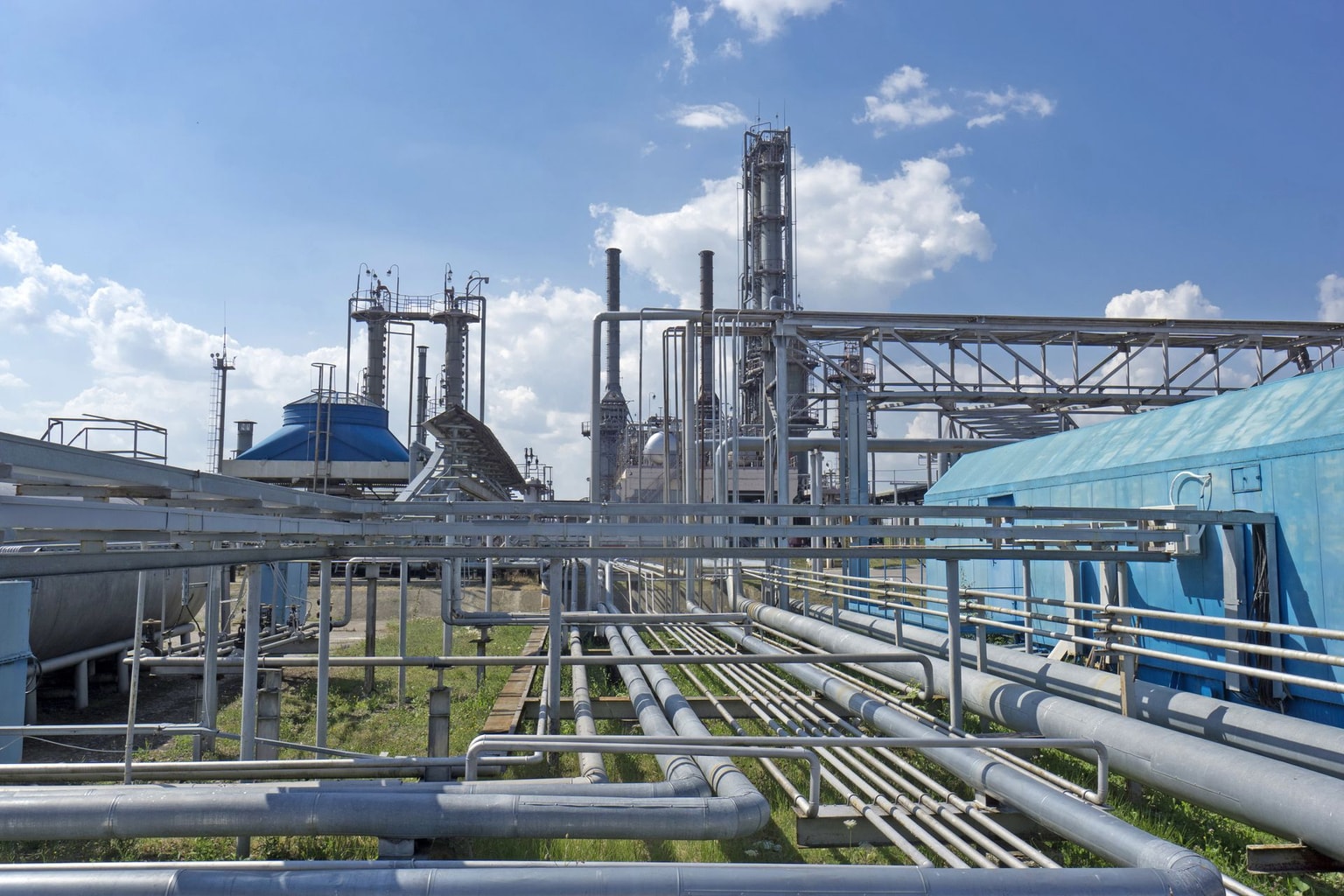
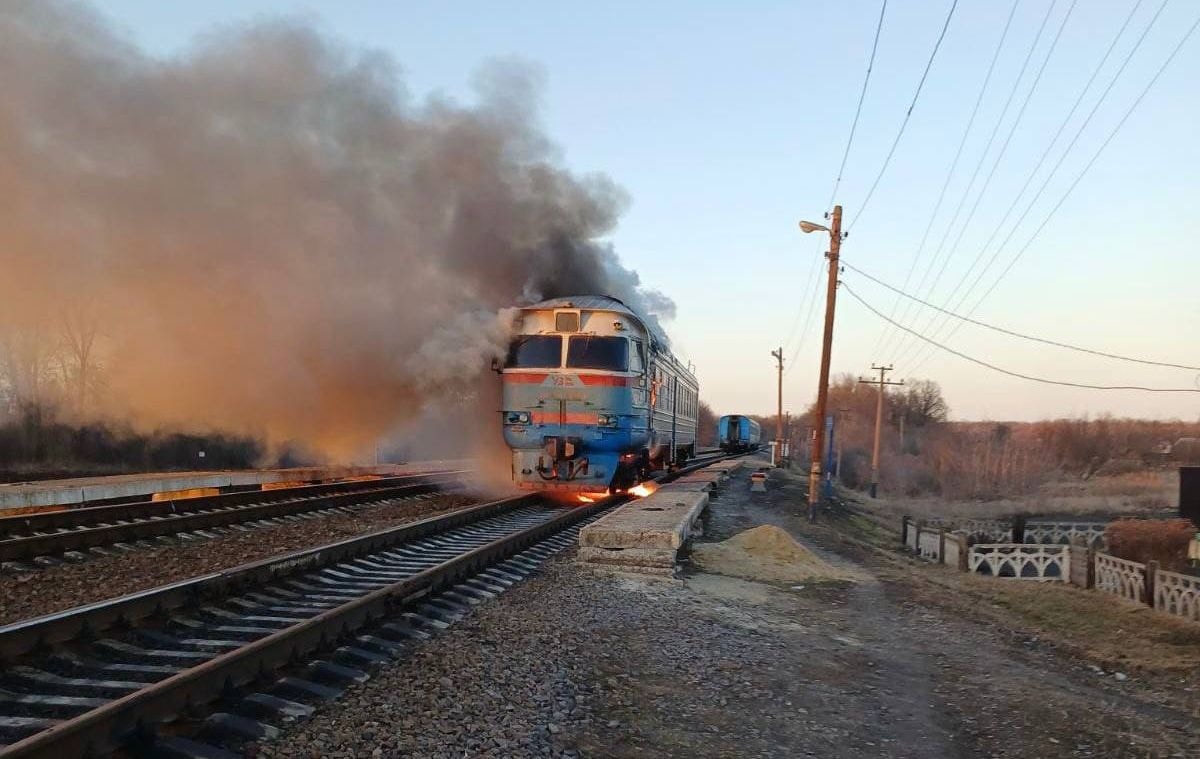
Overnight on Feb. 23, Ukrainian drones struck the Kaleykino oil pumping station in Russia's Tatarstan, a major hub for deliveries to Russian oil refineries and part of the Druzhba pipeline, a key route for crude flowing to Central Europe.
Despite the facility lying more than 2,000 kilometers (over 1,300 miles) from Slovakia and Hungary, some social media commentators — including conservative American voices — presented it as an attack against the two NATO member states.
A post on X framing the move as Ukraine "turning on" Hungary and Slovakia raked in about 3.8 million views, while others urged NATO to activate Article 5, a move that could justify an allied military response against Ukraine.
Yes, the Kyiv Independent is explaining why Ukraine's fight against Russia, and its attacks targeting Moscow's oil refineries and pumping stations, is not an attack against NATO.
Druzhba dispute
The Druzhba pipeline has become the focus of Kyiv's dispute with Hungary and Slovakia, the two EU countries still receiving Russian crude via a section of the pipeline running through Ukraine.
The Hungarian and Slovak governments have also been notorious for echoing pro-Russian narratives on the war while opposing military aid to Ukraine.
After Kyiv said the pipeline has been offline since January due to a Russian attack, Budapest and Bratislava accused Ukraine of deliberately halting the supplies and threatened retaliation.
Hungarian Prime Minister Viktor Orban, widely regarded as the most Kremlin-friendly leader in the EU, even threatened to block Brussels' 90 billion-euro ($106 billion) loan to Ukraine, a crucial financial lifeline for the country facing the Russian invasion.
Pavel Havlicek, a research fellow at the Association for International Affairs in Prague, argues that the Slovak and Hungarian governments are leveraging the Ukraine issue for domestic political gain — stoking anti-Kyiv sentiment and shifting blame onto their political opponents at home.
Orban, whose party, Fidesz, is trailing in polls behind the opposition party Tisza ahead of the April parliamentary elections, has adopted increasingly combative rhetoric toward Ukraine amid a heated election campaign.
Russia's Kaleykino oil pumping station continues to burn out of control over a day after Ukrainian attack drones set it ablaze.
— OSINTtechnical (@Osinttechnical) February 24, 2026
The facility, over 1000 km behind the frontline, is a key node on the Druzhba pipeline. pic.twitter.com/XnSPSbmwsV
Earlier on Feb. 26, the Hungarian leader published an open letter to President Volodymyr Zelensky, accusing him of "working to force Hungary into the war" and attempting to "bring a pro-Ukraine government to power."
Calling Druzhba "critical to Hungary's energy supply," Orban described Ukrainian steps as being "against Hungary's interests."
He also announced a military deployment to safeguard Hungary's energy infrastructure from a supposed Ukrainian threat, despite no indication of Ukraine planning hostile moves on Hungarian territory.
Daniel Hegedus, the deputy director at the Institute for European Politics (IEP) in Berlin, told the Kyiv Independent that Budapest's warnings about "'potential Ukrainian actions' create a perfect setup and framing — practically an invitation — for Russian hybrid operations."
Cutting off Russian oil revenues
Throughout the war, Ukrainian forces have consistently targeted Russian oil refineries and gas facilities with long-range drone attacks, including sites linked to Druzhba.
Earnings from fossil fuel sales represent around one-quarter of Moscow's federal tax revenue, playing a key role in sustaining its war effort in Ukraine.
Last year, the Ukrainian section of Druzhba transported over 9 million tons of oil to Slovakia and Hungary, according to ExPro Consulting data.
According to Havlicek, the pumping station is a "fully legitimate target" in an effort to undermine Russia's war economy.
Simultaneously with Ukrainian strikes, the EU has sought to wean itself off from Russian energy to undercut its earnings, adopting a regulation to halt Russian gas imports by the end of 2027. A plan to halt Russian oil imports is also being drafted.
Despite four years of full-scale war, Slovakia and Hungary, both landlocked countries, have resisted calls to halt Russian pipeline oil and gas imports, arguing they are vital to their energy security.
In turn, Czechia, another EU member that received oil via Druzhba, has successfully pivoted to alternative sources.
"Hungary and Slovakia fell victim to their own misjudgment of the Kremlin... whereas the rest of the European continent realized that it's impossible to rely on the (Russian) supplies of fuel," Havlicek told the Kyiv Independent.
Editor's note: This article was published as part of the Fighting Against Conspiracy and Trolls (FACT) project, an independent, non-partisan hub launched in mid-2025 under the umbrella of the EU Digital Media Observatory (EDMO). Click here to follow the latest stories from our hub on disinformation.