European Commission uses JD Vance attack to bring attention to social media elections threat
 on Google

The European Commission pushed back against allegations made by U.S. Vice-President JD Vance that it was interfering into Hungary’s forthcoming parliament election by bringing attention to what it considers the real threat to free and fair elections – the manipulation of social media platforms.
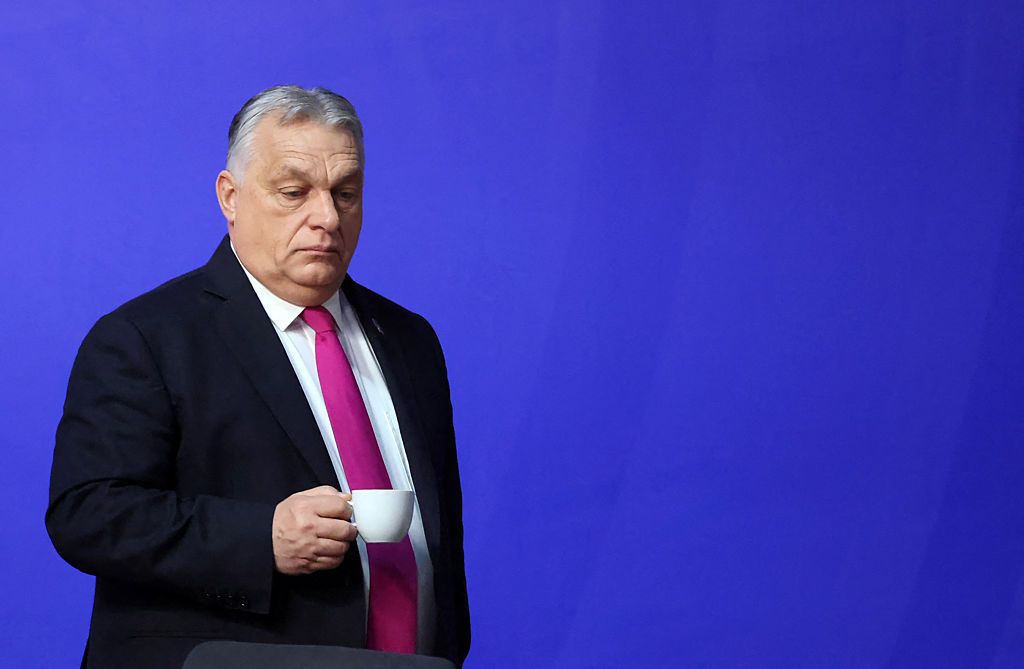
Vance is in Hungary for the last days before voters cast their ballots on April 12 in order to strum up support for his ideological ally Viktor Orbán, who polls suggest is set to lose to the Tisza party of Péter Magyar.
As part of that tour, Vance criticized the European Union on April 7, accusing “bureaucrats in Brussels” of working against the Hungarian people.
Spokespeople for the Commission repeatedly declined to comment directly on Vance’s remarks, aside from noting that they will use their diplomatic channels to convey concerns to their U.S. counterparts.
They did however push back on the substance of the comments, to not only say the EU is not interfering in Hungary’s election, but also to point at who is.
“Who is silencing political voices? It's online platforms. Who is manipulating algorithms? Again, online platforms. Who is boosting the visibility of the preferred choice? Online platforms,” said Commission spokesperson Thomas Regnier.
After self-defining as a “European bureaucrat,” – a reference to the original JD Vance criticism – Regnier emphasized that the EU’s Digital Services Act (DSA), which polices the behavior of these online platforms, is democratic.
The DSA is “endorsed by our member states and it received an overwhelming majority in the European Parliament,” Regnier said.
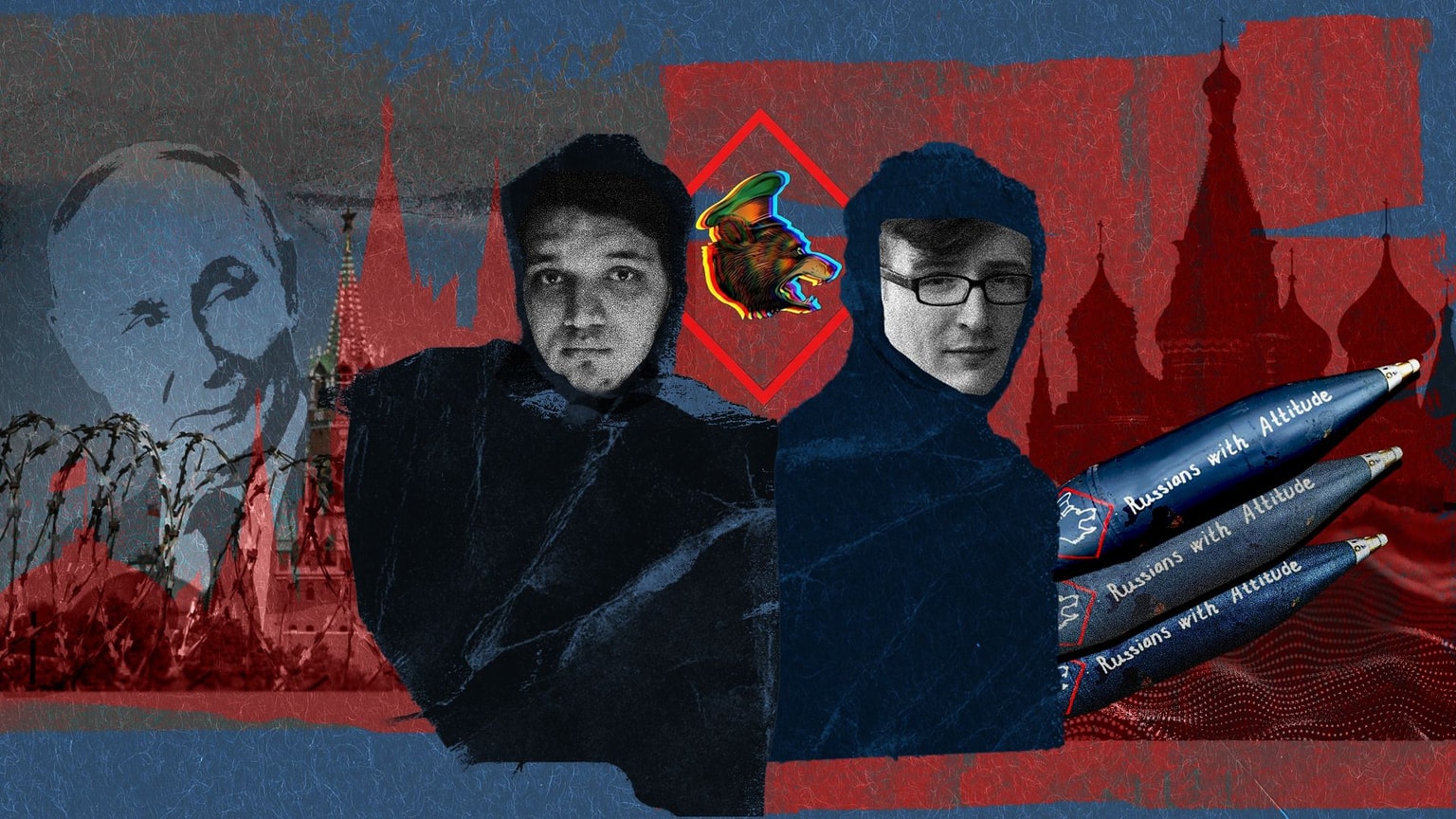
However, the threat of election interference persists despite such efforts. Russia sent social media specialists to Budapest in early March to support Orban’s campaign, and the U.S. government has repeatedly made known its support for the incumbent leader.
Orban has also made Ukraine a dominant theme of the election campaign both by blocking EU initiatives to support Kyiv and by trying to portray Ukraine as a threat.
That narrative both plays into the hands of Moscow, which seeks to deprive Ukraine of financial and material support, and appeals to the sentiments of some in the U.S. government which would like to see a return to business-as-usual with Russia.