EU proposes 'powerful' 20th Russia sanctions package with full ban on oil maritime services
 on Google
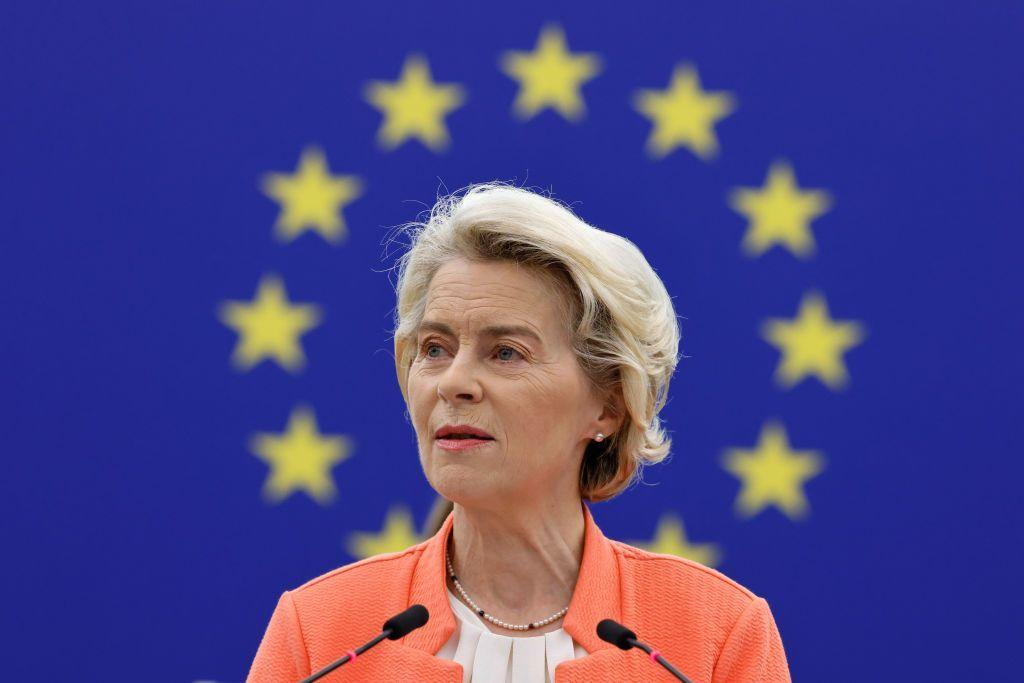
The European Commission proposed a new 20th package of sanctions against Russia on Feb. 6 for its war against Ukraine, European Commission President Ursula von der Leyen announced.
"The new package of sanctions covers energy, financial services, and trade," von der Leyen said, outlining measures aimed at further cutting off revenue streams funding Moscow's war.
A central element of the proposal is a full ban on maritime services for Russian crude oil, which would be coordinated with G7 partners.
If approved, the measure would bar European companies from providing insurance, shipping, financing, and other key services for transporting Russian oil, regardless of price.
Oil and gas revenues account for about one-third of Russia's federal budget, making energy exports a critical source of funding for the war against Ukraine.
The package introduces restrictions targeting Russia's shadow fleet, including the listing of 43 additional vessels and bans on maintenance and other services for LNG tankers and icebreakers.
"This complements our ban on LNG imports agreed with the 19th package and the RepowerEU Regulation," von der Leyen added.
Measures would also tighten pressure on Russia's banking sector by adding 20 regional banks to sanctions, targeting crypto-related channels used to evade restrictions, and sanctioning banks in third countries that facilitate illicit trade.
Additional export bans would apply to goods and services ranging from rubber and tractors to cybersecurity tools, while new import bans would target metals, chemicals, and critical minerals.
"Over 40 companies in Russia and in third countries are proposed for full-fledged sanctions to further disrupt Russia's production lines," EU foreign policy chief Kaja Kallas said.
The package also strengthens controls on technologies used for Russia's war effort, introduces a quota on ammonia imports, and activates the EU's anti-circumvention tool for the first time to curb re-exports through third countries.
"For the first time, we propose to activate our Anti-Circumvention Tool on one country to prevent sensitive products finding their way to Russia," Kallas added.
The EU's chief diplomat said earlier on Jan. 29 that the EU aims to adopt the 20th sanctions package on Feb. 24, marking the fourth anniversary of Russia's full-scale invasion of Ukraine.
Von der Leyen said the move would send "a powerful signal" ahead of the milestone.
All EU sanctions require unanimous approval from the bloc's member states to enter into force.