EU agrees to extend protection for Ukrainians but won't grant it to potential conscripts
 on Google
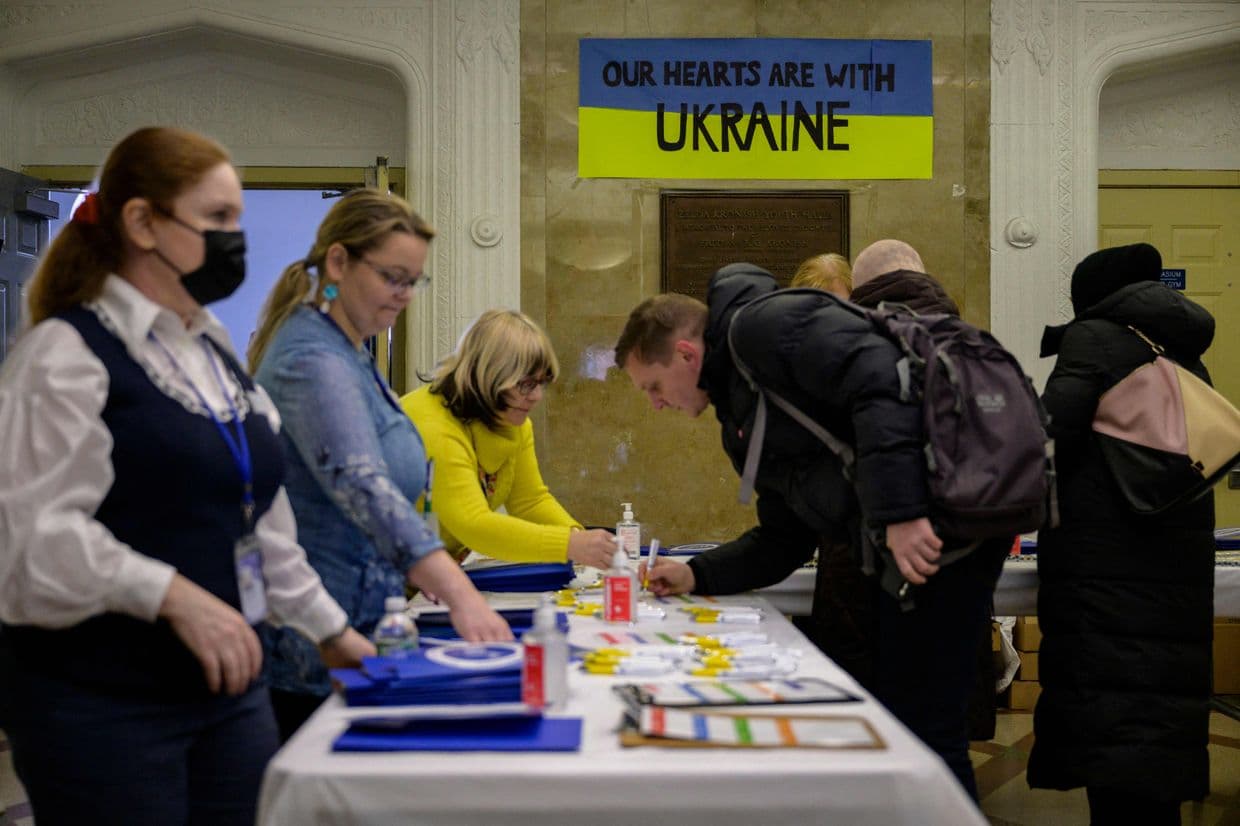
BRUSSELS, Belgium — EU ambassadors formally agreed on July 15 to renew the temporary protection status for Ukrainian refugees for another year — until March 4, 2028.
However, they also agreed that temporary protection would not be granted to new applicants who are not complying with their military obligations in Ukraine. Ukrainian men aged 22 to 60 are prohibited from leaving the country, with some exceptions, and men aged 25 to 60 can be conscripted into the armed forces.
The measures are a step above usual protections for asylum seekers and have been in place since Russia launched its full-scale invasion of Ukraine in 2022.
However, the need to renew the protections on an annual basis has left the more than 4 million Ukrainians displaced across the EU living in a state of limbo, each year unsure if they will continue to be allowed to remain.
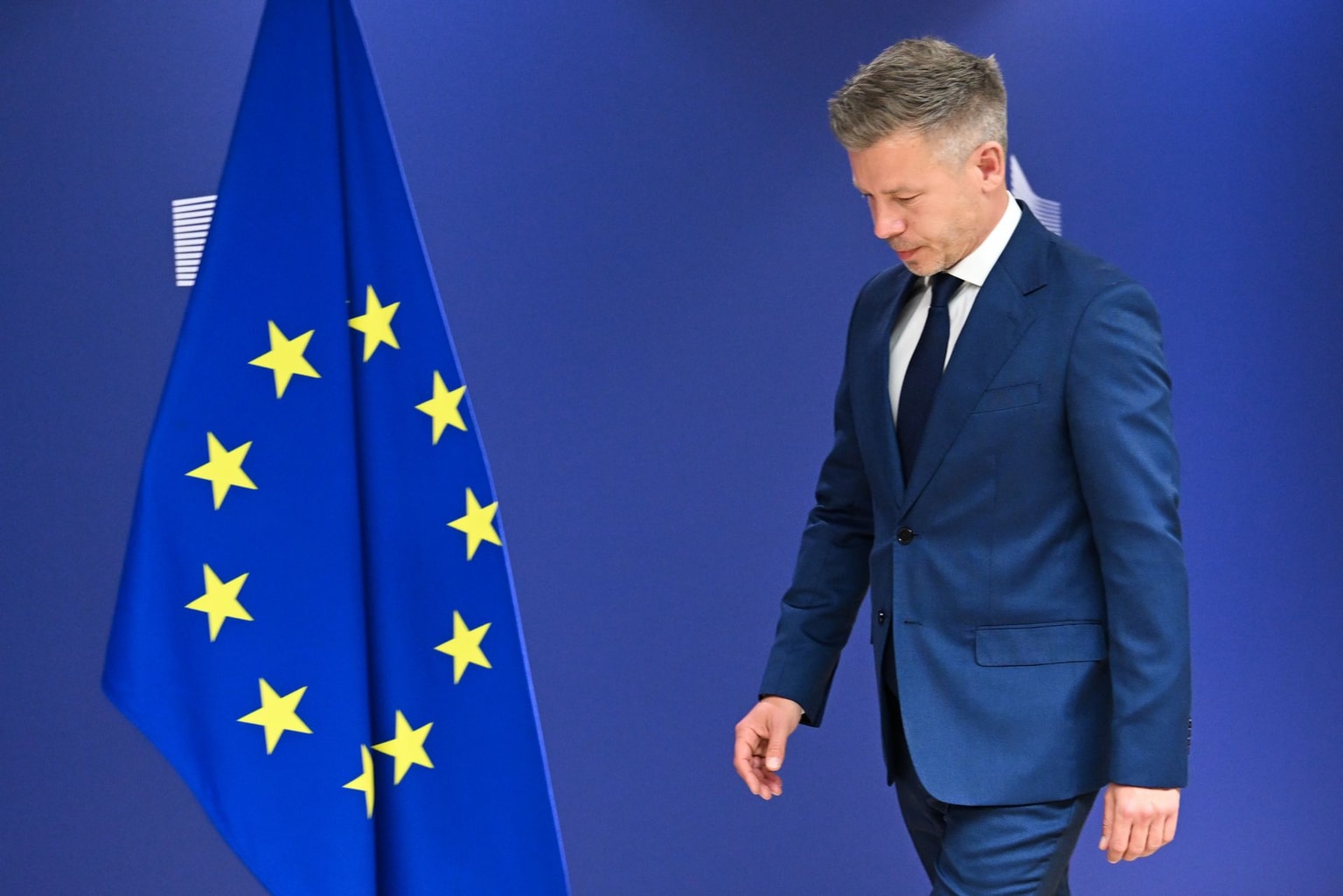
The EU's Commissioner for Migration Magnus Brunner told journalists in June that approving the extension months before it is due to lapse is an attempt to give Ukrainians that longer-term certainty which they need.
"We need clarity now (for Ukrainians in the EU)… this is why the prolongation we're doing is so early, rather than waiting for 2027 to do it," Brunner said.
Jim O'Callaghan, Ireland's migration minister, hailed the agreement for "providing stability for those who found safety in the EU."
There has also been discussion about shifting the protections in place for Ukrainians to a separate, longer-term basis, but there is no final agreement yet on how that will work.
In the meantime, individual EU countries are hardening their stance toward Ukrainians residing in their countries.
Poland, Germany, and Czechia, which together account for more than half of the Ukrainian refugees across the bloc, have all presented draft rules that seek to toughen the terms on which Ukrainians can access temporary protection.
And the EU as a whole is amending the temporary protection measures so that from now on Ukrainian men eligible for compulsory military service will not be allowed to apply for the temporary protection status.
"Taking into account Ukraine’s evolving defense needs, going forward, temporary protection will be granted only to those who satisfy their military obligations in Ukraine," reads a European Council press statement following the ambassadors' agreement.
"This limitation will only apply to new applicants for temporary protection. It will not apply to those already benefiting from temporary protection in the EU," the statement notes.
Separately, conversations are also advancing on potentially encouraging Ukrainians to return to Ukraine. Germany is piloting so-called "unity hubs," which aim to facilitate such conversations.
With the July 15 agreement of ambassadors, the renewal of temporary protection and the new restrictions on applicability need to be formally voted on by ministers to take full effect, which it is expected will happen before the end of July.