US Democrats call for investigation into Trump's Russian oil sanctions waiver
 on Google
Editor's note: The story has been updated with additional details.
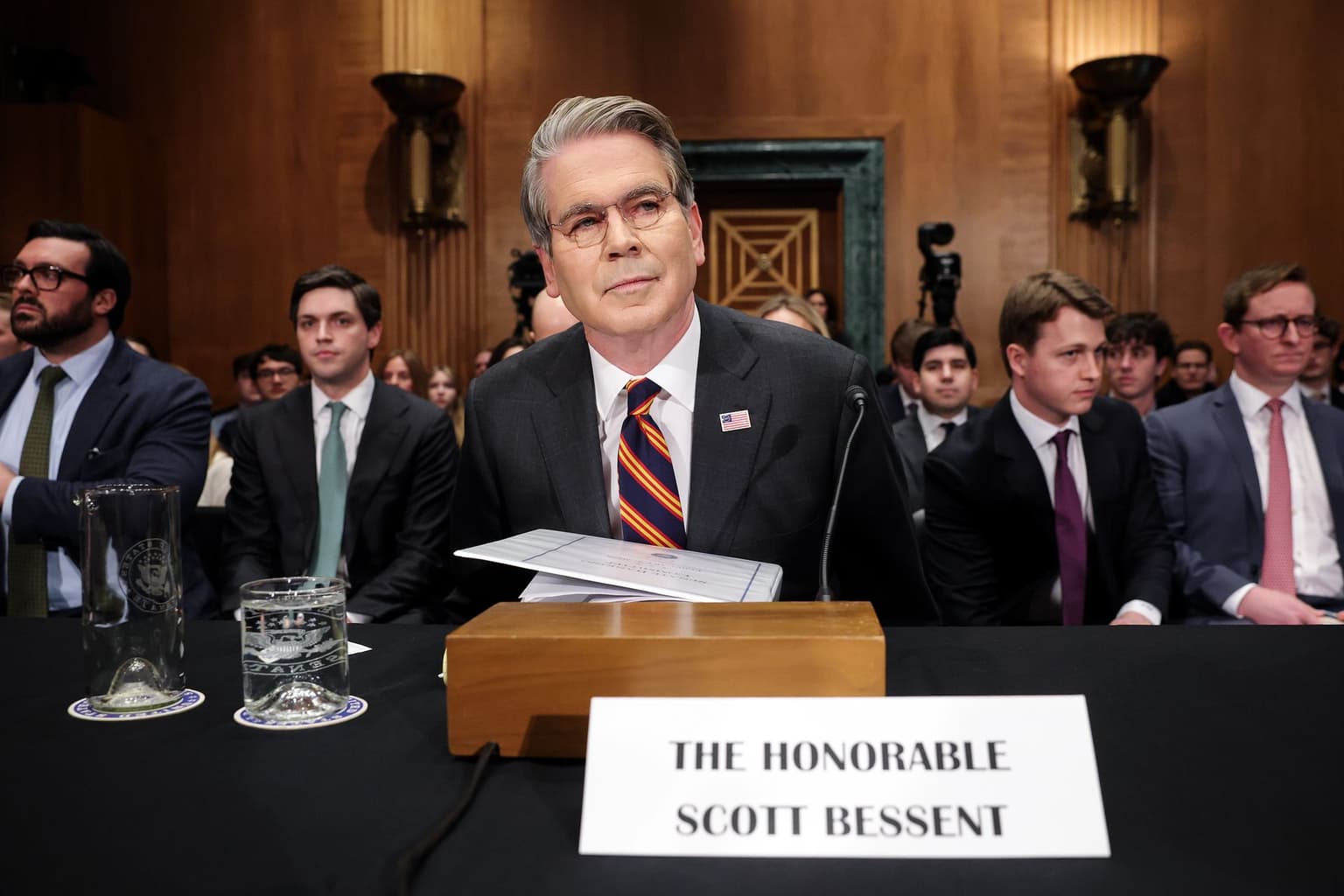
Democratic senators have requested hearings with U.S. Treasury Secretary Scott Bessent over the Trump administration's moves to ease sanctions on Russian oil, according to a document shared with the Kyiv Independent on March 13.
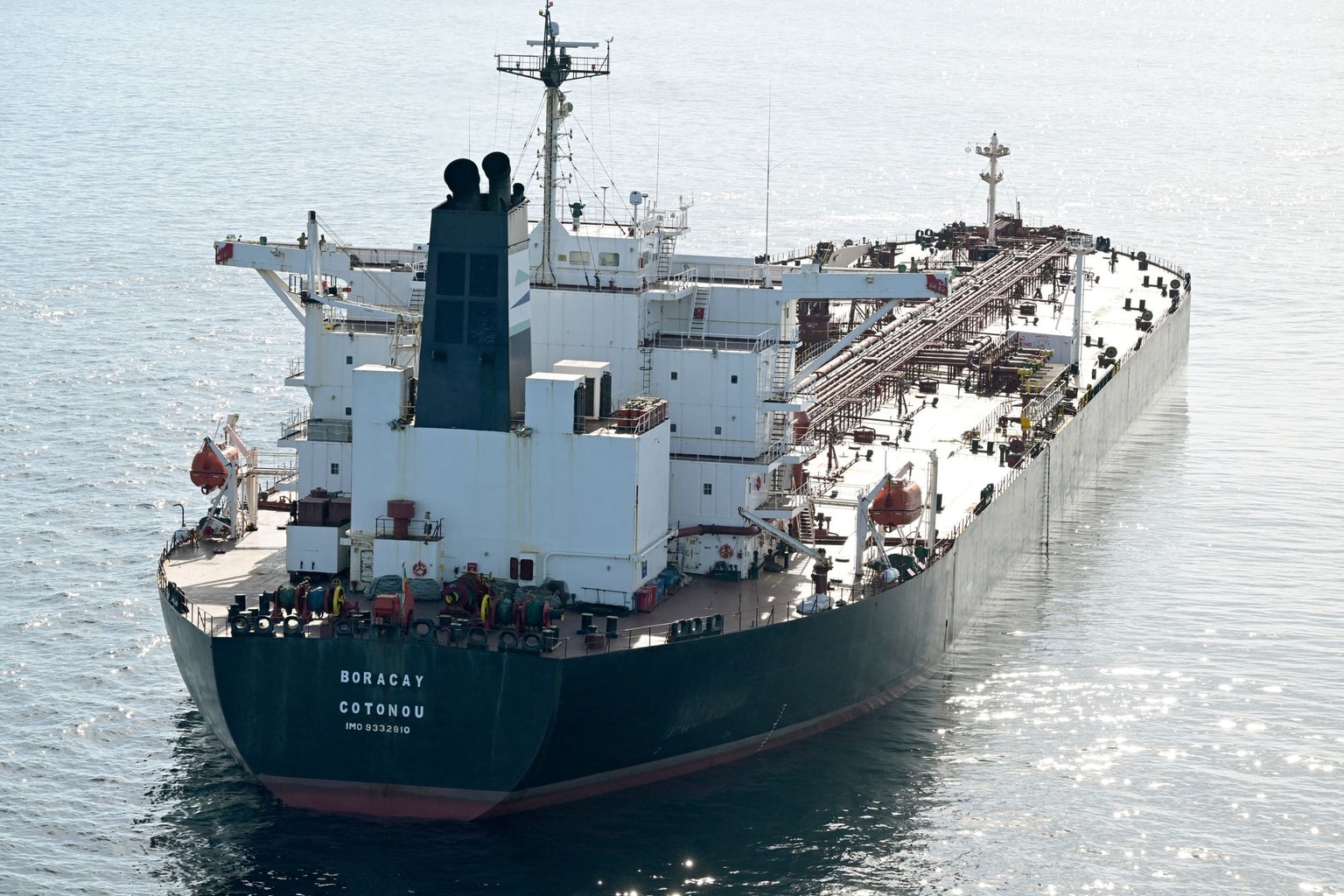
The March 10 letter came before the U.S. Department of the Treasury issued a temporary license on March 12, allowing countries to purchase Russian crude already stranded at sea.
The request reflects growing scrutiny in Washington as the administration implements limited sanctions relief to stabilize energy markets disrupted by the escalating conflict involving Iran.
Global oil and gas prices surged after the U.S. and Israel launched strikes on Iran on Feb. 28. Tehran responded by closing the Strait of Hormuz, a route carrying roughly 20% of the world's oil supply.
In their letter, lawmakers said easing sanctions could undermine U.S. interests amid reports that Russia has provided Iran with intelligence on American military positions in the Middle East.
The decisions to relax sanctions "allow billions of dollars to flow into Russia and to Russian intermediaries right as U.S. officials have confirmed that Russia is providing Iranian forces the locations of U.S. assets, including warships and aircraft," the letter reads.
"The Trump administration cannot simultaneously claim to be prioritizing U.S. military operations while offering sanctions relief to (Russian President Vladimir) Putin," lawmakers added.
The senators called for Bessent to testify before March 31.
After the Trump administration confirmed easing the sanctions, Democratic Senator Jeanne Shaheen called out the president for "filling the Kremlin's war coffers."
"Instead of squeezing Russia's faltering economy, the President's ill-planned war is giving Putin a windfall while American families face higher prices," the top member of the Senate Foreign Relations Committee said on X.
While easing sanctions could boost global energy supplies, critics say it risks undermining efforts to pressure Moscow over its full-scale invasion of Ukraine, which entered its fifth year in February.
The Trump administrations maintain that the temporary authorization will not significantly boost Russia's war finances. Bessent argued that Moscow collects most of its energy revenue through taxes at the point of extraction rather than export.
The measure builds on an earlier waiver that allowed India to purchase Russian crude already loaded on tankers at sea to offset supply disruptions linked to the Middle East crisis. The step followed months of U.S. pressure on New Delhi to reduce imports of Russian oil.
Last year, the Trump administration imposed a 25% "reciprocal" tariff on Indian goods and an additional 25% penalty tied to purchases of Russian crude. The White House lifted the additional penalty on Feb. 7 after India pledged to halt direct and indirect imports.
According to information obtained by the Kyiv Independent, broader sanctions relief options began to be discussed shortly after the waiver to India was approved.