China denies helping Russia produce Oreshnik missiles
 on Google
China's Foreign Ministry on Jan. 29 dismissed reporting that Chinese tools have been used to produce Russia's Oreshnik nuclear-capable ballistic missiles, which have been twice deployed against Ukraine.
The news comes after the Telegraph said it had identified at least $10.3 billion worth of equipment China has sent to boost Russia's military industry, including machines and tools used to build Oreshnik warheads.
A specific computer numerical control machine — a Chinese-made carousel lathe — was identified by Ukrainian intelligence at Russia's state-owned Votkinsk plant, which produces the Oreshnik and other missiles, according to the Telegraph.
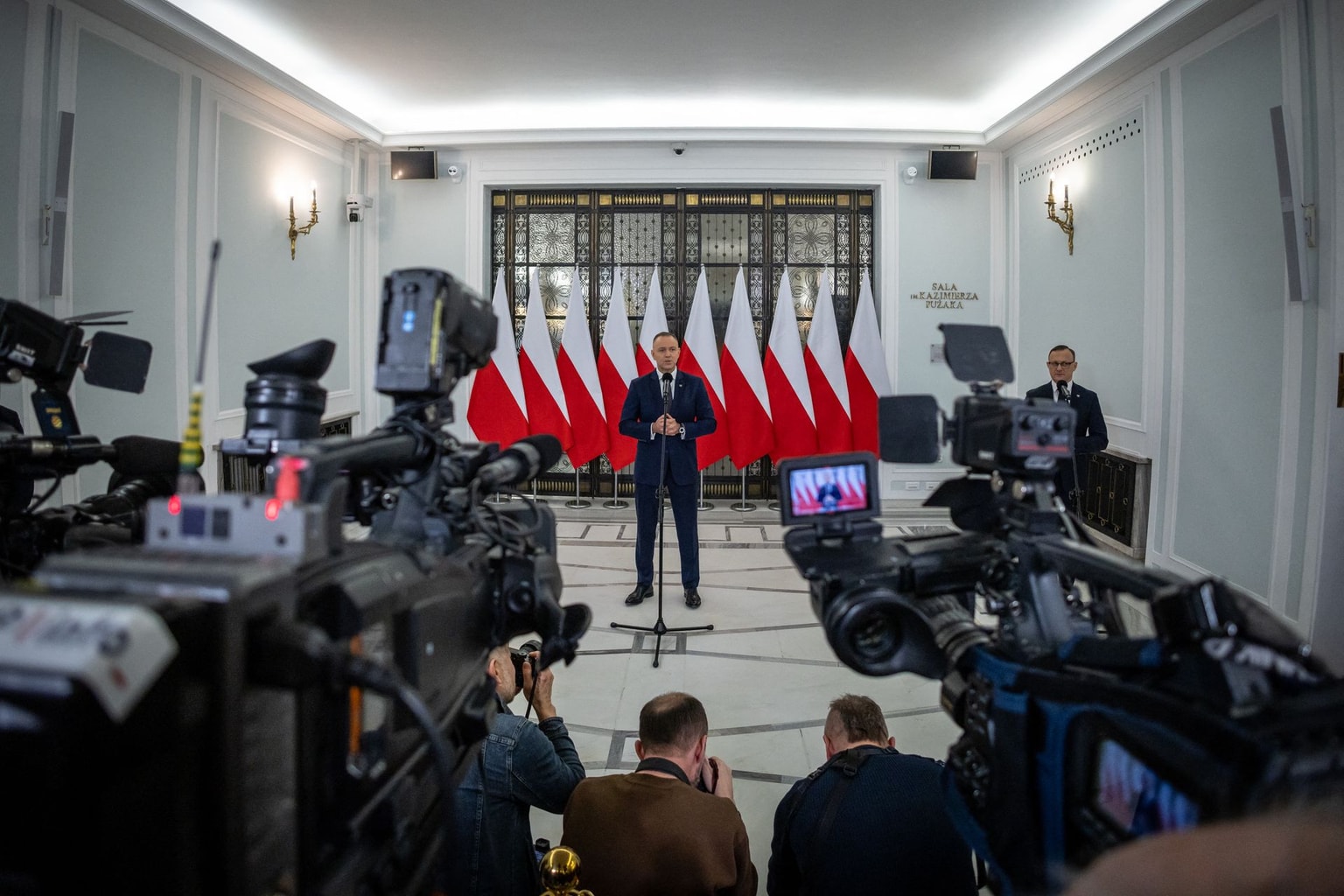
"China's position on the Ukraine crisis (the term Beijing uses in reference to Russia's invasion) has been consistent and clear," Chinese Foreign Ministry spokesperson Guo Jiakun said at a press conference when asked about the story.
"We have never fanned the flames, sought to profit from the situation, nor do we accept attempts to shift blame or evade responsibility."
China has been a key ally to Russia throughout the full-scale invasion, helping Moscow weather Western sanctions and becoming the leading source of dual-use goods necessary for the Russian defense industry.
Publicly, Beijing has claimed neutrality in the war and denied providing military assistance to either side.
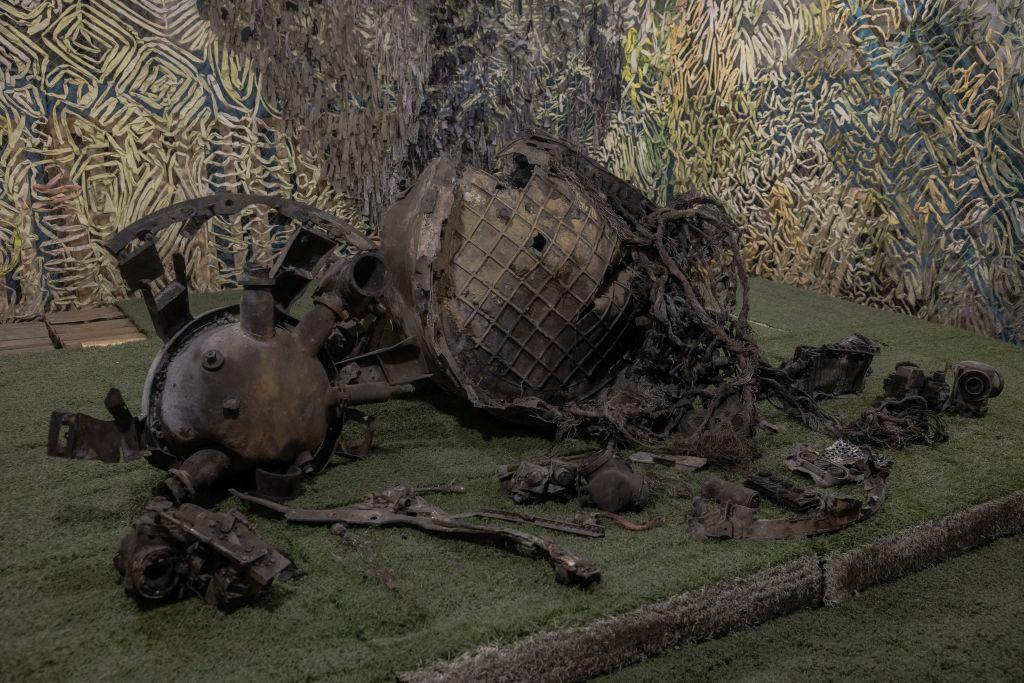
Russia has vaunted the Oreshnik, an intermediate-range ballistic missile that can travel at 13,000 kilometers per hour (8,000 miles per hour), as impossible for Western systems to intercept.
Moscow has deployed the weapon only twice: against Dnipro in November 2024 and against Lviv earlier in January 2026, about 60 kilometers (37 miles) from the Polish border.
While Russian authorities present Oreshnik as a novel and modern weapon, experts believe it is mostly based on the RS-26 Rubezh, a nuclear-capable intermediate-range ballistic missile first produced in 2011.