Zelensky, UK, France sign declaration on deploying troops in Ukraine post-war
 on Google
Editor's note: The story is being updated.
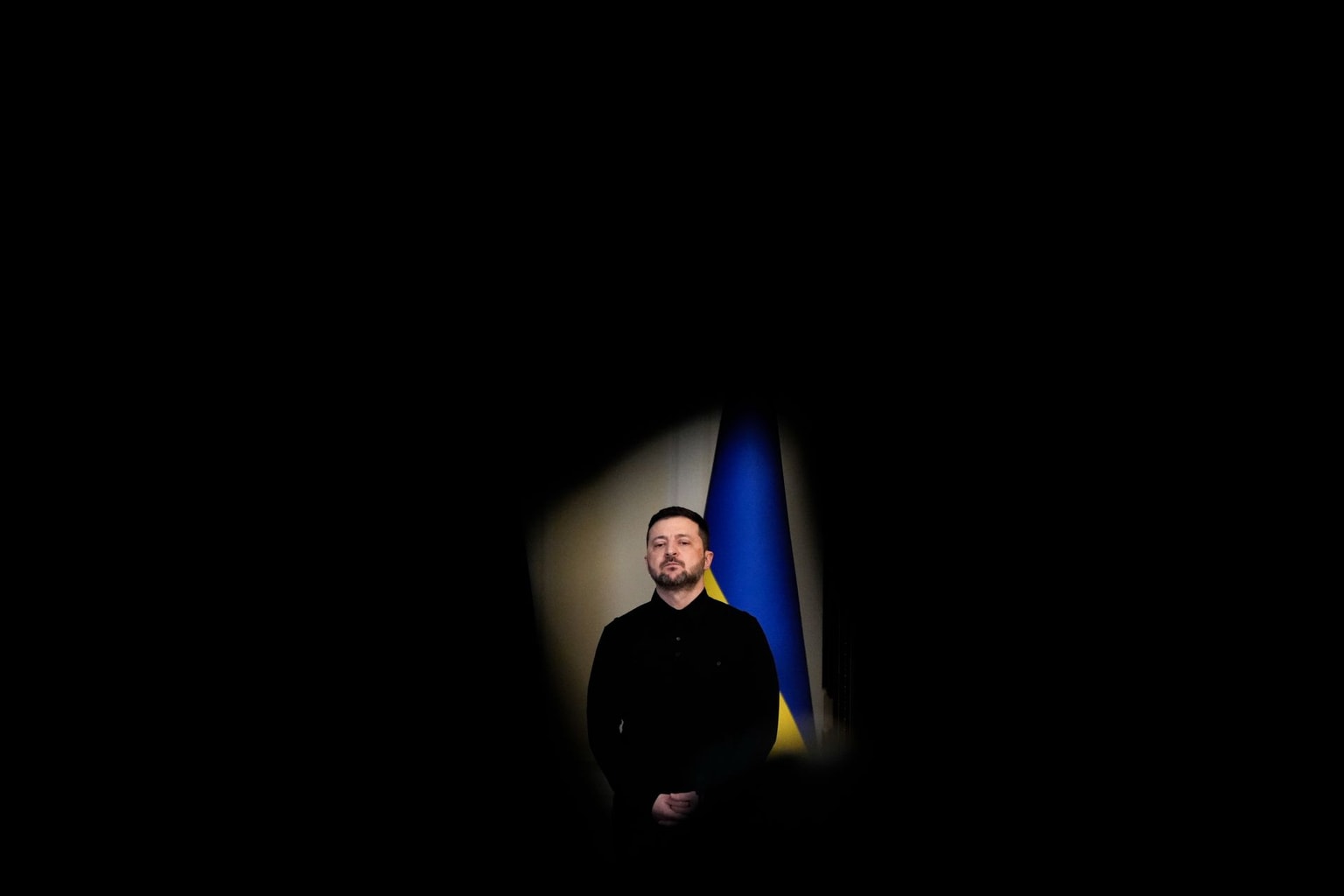
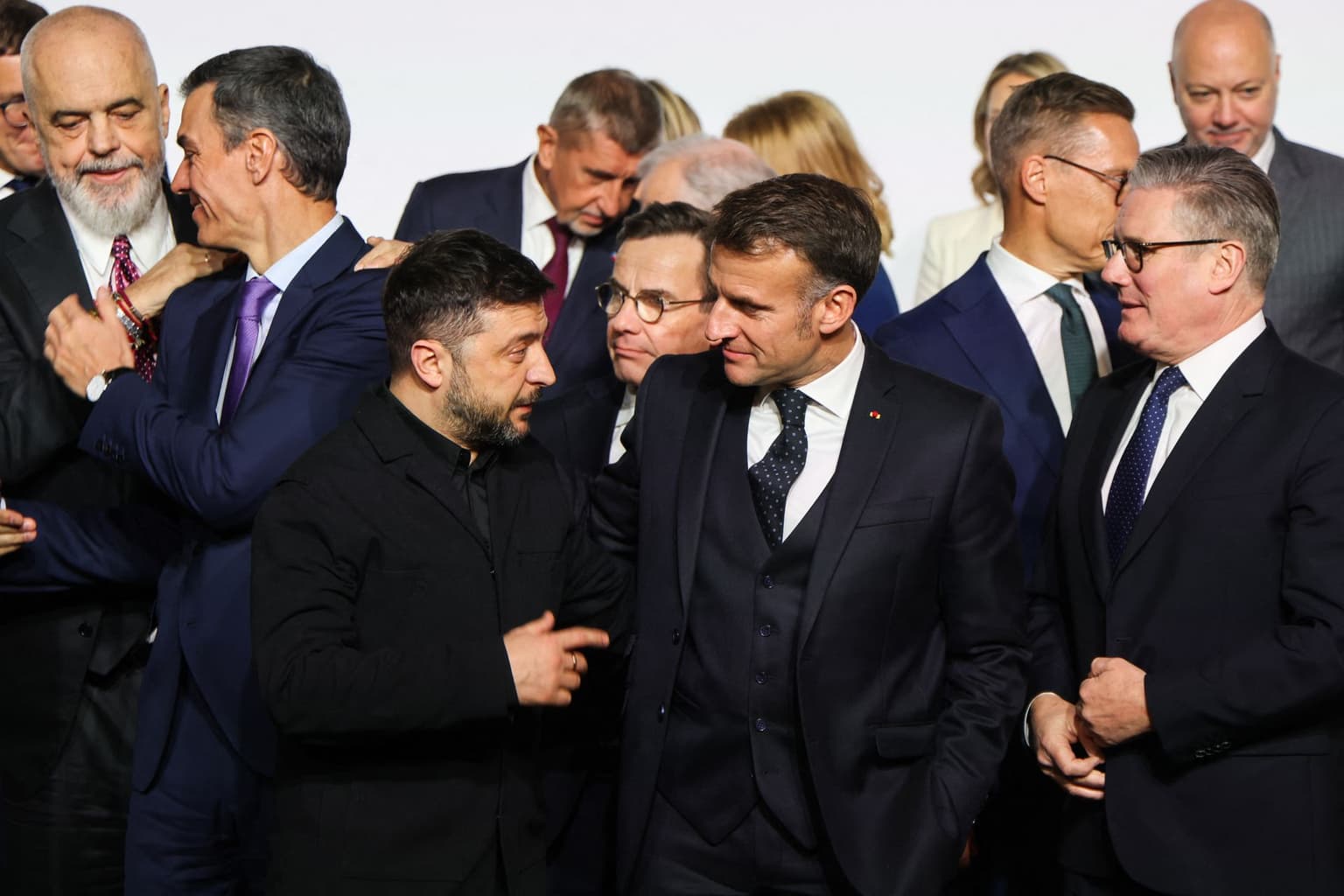
President Volodymyr Zelensky, French President Emmanuel Macron, and British Prime Minister Keir Starmer on Jan. 6 signed a declaration of intent for a post-war deployment of a multinational force in Ukraine.
The news comes as Zelensky met with European leaders and U.S. envoys in Paris to discuss security guarantees for Kyiv, part of Washington's renewed efforts to broker a peace deal with Moscow.
The summit, held within the Coalition of the Willing framework, saw the partners agree on "robust" and "legally binding guarantees" to ensure Ukraine's post-war security.
The declaration includes five components: a multinational force tasked with strengthening Ukraine's Armed Forces and helping to ensure security "in the air, at sea and on land," U.S.-led ceasefire monitoring, support for Ukraine's military, binding commitments to back Kyiv in case of a future Russian attack, and long-term defense cooperation with Ukraine.
Writing on social media after the talks, Zelensky said that the plans for the multinational troops included details on "force deployment, numbers, specific types of weapons, and the components of the Armed Forces required and able to operate effectively."
He added that partners within the Coalition of the Willing understand "which country is ready for what," and thanked "every leader and every state that truly wishes to be part of a peaceful solution."
Italian Prime Minister Giorgia Meloni, who took part in the coalition talks, confirmed following the meeting that Italy would not deploy any troops on the ground in Ukraine. Meloni reiterated Rome's "support for Ukraine's security" in a government statement.
Swedish Prime Minister Ulf Kristersson said Sweden's contributions to security efforts would include Gripen fighter jets to provide air surveillance of Ukraine's skies, mine clearing resources in the Black Sea, and continued training of Ukrainian military personnel.
Similarly, Belgian Prime Minister Bart DeWever pledged to support Ukraine with "air and maritime capabilities" after a ceasefire deal.
Zelensky also remarked on the role the U.S. will play, noting that there were "very substantive discussions with the American side on monitoring — to ensure there are no violations of peace. The United States is ready to work on this."
"One of the most critical elements is deterrence — the tools that will prevent any new Russian aggression," Zelensky emphasized.
The partners also agreed to establish a U.S.-Ukraine-Coalition coordination cell at the Coalition Operational Headquarters in Paris.
Speaking at a press conference after the summit, Macron reiterated that the partners are ready to deploy the force "a day" after the ceasefire is reached.
According to Radio Free Europe/Radio Liberty, officials have previously discussed deploying a force of between 15,000 and 30,000 troops.
It remains unclear whether Moscow will be open to any agreements reached in talks between Ukraine, the U.S., and Europe.
Russia has consistently opposed the presence of Western troops in Ukraine as part of a post-war agreement and continues to demand that Ukraine abandon NATO aspirations and cede the entire Donbas region, including territories still held by Kyiv's forces.
U.S. Special Envoy Steve Witkoff, who attended the talks alongside U.S. President Donald Trump's advisor Jared Kushner and other officials, said that the talks led to "significant progress on several critical workstreams."
"We agree with the Coalition that durable security guarantees and robust prosperity commitments are essential to a lasting peace in Ukraine," Witkoff said on X, adding that additional talks will follow on Jan. 7.
Zelensky confirmed the planned discussion, adding that the American and Ukrainian "teams will continue working on security guarantees and a basic framework for ending the war."
Trump's latest peace push led to a flurry of negotiations that saw the initial controversial 28-point peace plan reworked into a 20-point framework, with some key issues, such as the fate of partially occupied Donbas region, still to be decided.
The talks with European leaders follow Zelensky's meeting with Trump at his residence in Mar-a-Lago, Florida. During a joint press conference with Zelensky on Dec. 28, Trump said the peace talks were in their "final stages," without providing further details.