Zelensky arrives in Washington to participate in NATO summit
 on Google

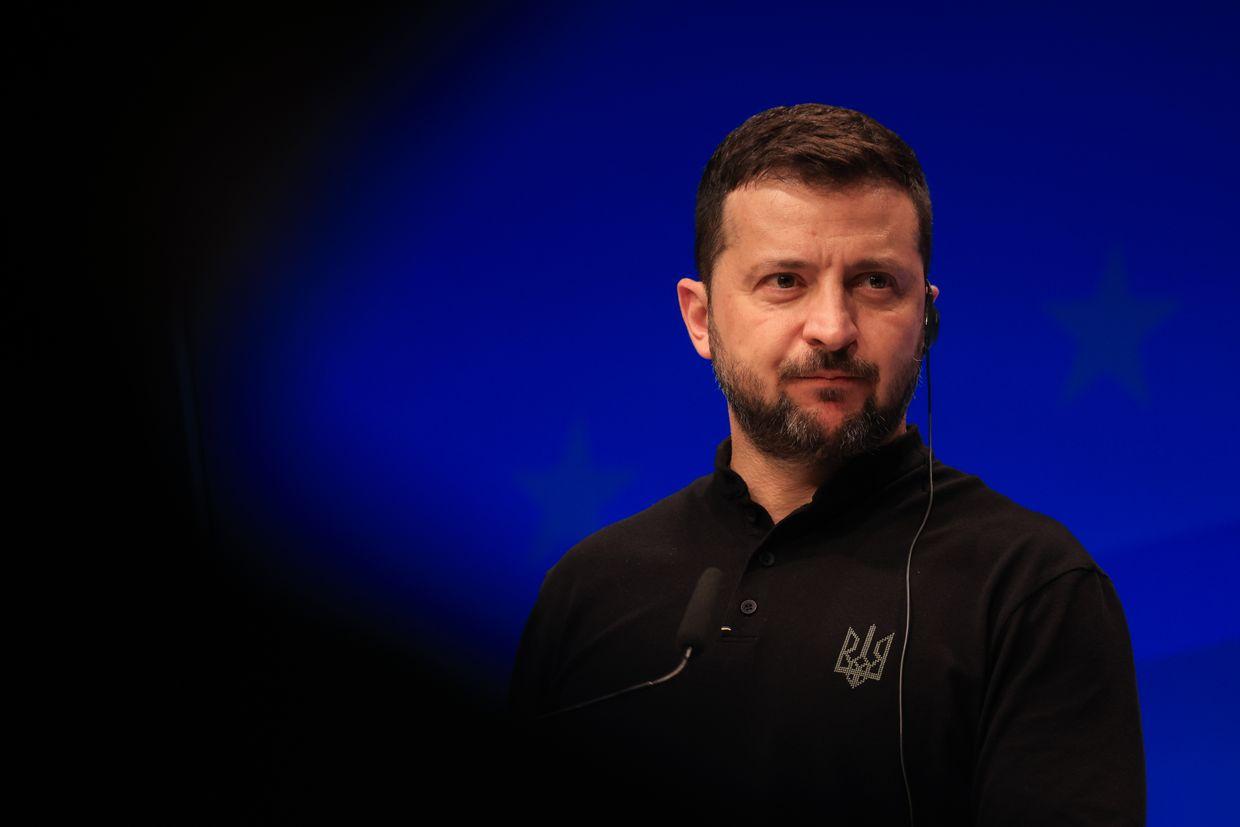
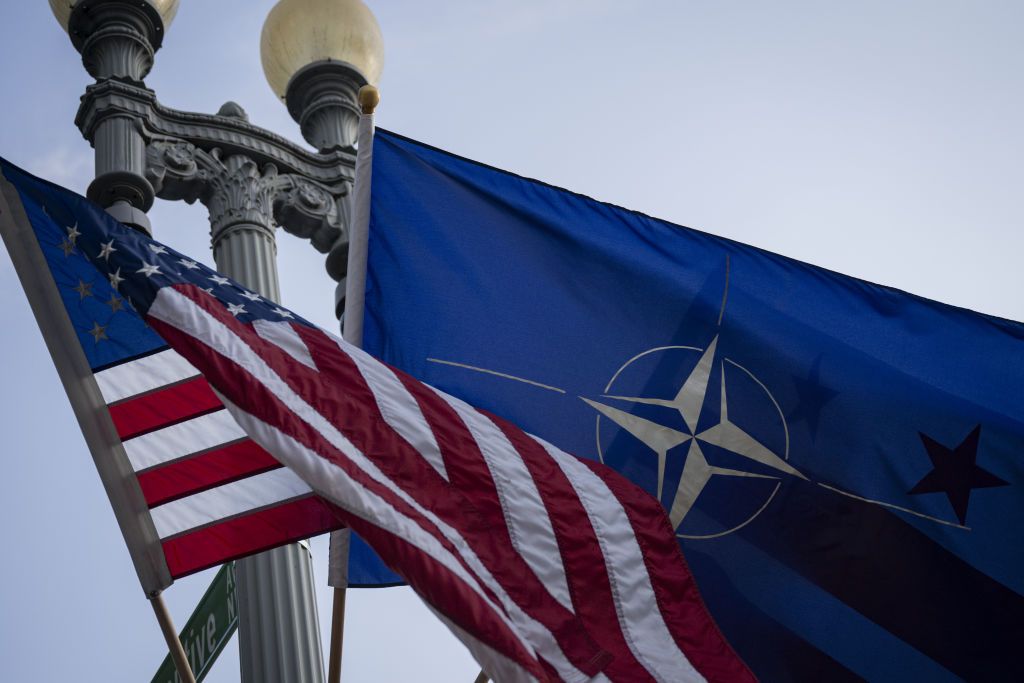
President Volodymyr Zelensky announced in his July 9 evening address that he had arrived in Washington to attend the NATO summit taking place on July 9-11.
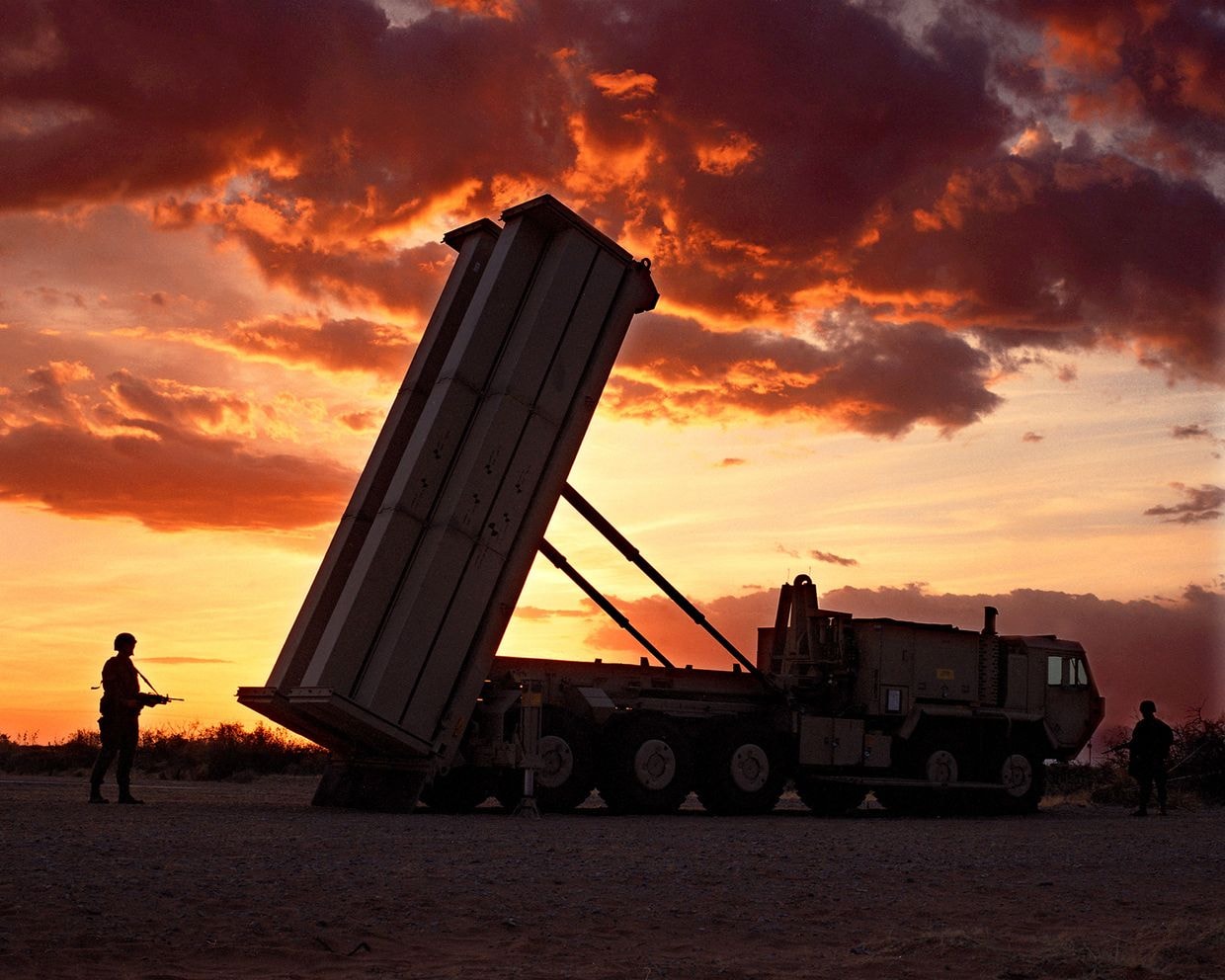
"We are fighting for more air defense systems for Ukraine, and I'm confident we will succeed. We are also striving to secure more aircraft, including F-16s," Zelensky said.
"Additionally, we are pushing for enhanced security guarantees for Ukraine, including weapons, financial aid, and political support."
Kyiv has voiced hope that the summit will bring a more definite signal about Ukraine's future membership in the alliance. American officials made it clear that the country is unlikely to receive an invitation.
Ahead of the upcoming NATO summit, Ukraine aims to secure a "guaranteed" military funding commitment from allies, Deputy Prime Minister Olha Stefanishyna said in late June.
"We are committed to doing everything possible to ensure that Russian terror is defeated. This is not just crucial for our country – it is essential for everyone – for every partner and all nations," Zelensky said in his evening address.
This will be the third NATO summit in a row to bring together the heads of all 32 NATO member states and the leaders of Indo-Pacific partner countries, including Australia, Japan, South Korea, and New Zealand.
Foreign ministers from 35 non-NATO partner countries have also been invited to attend.