War in Iran 'nearing completion' — but won't end until US achieves objectives, Trump says
 on Google
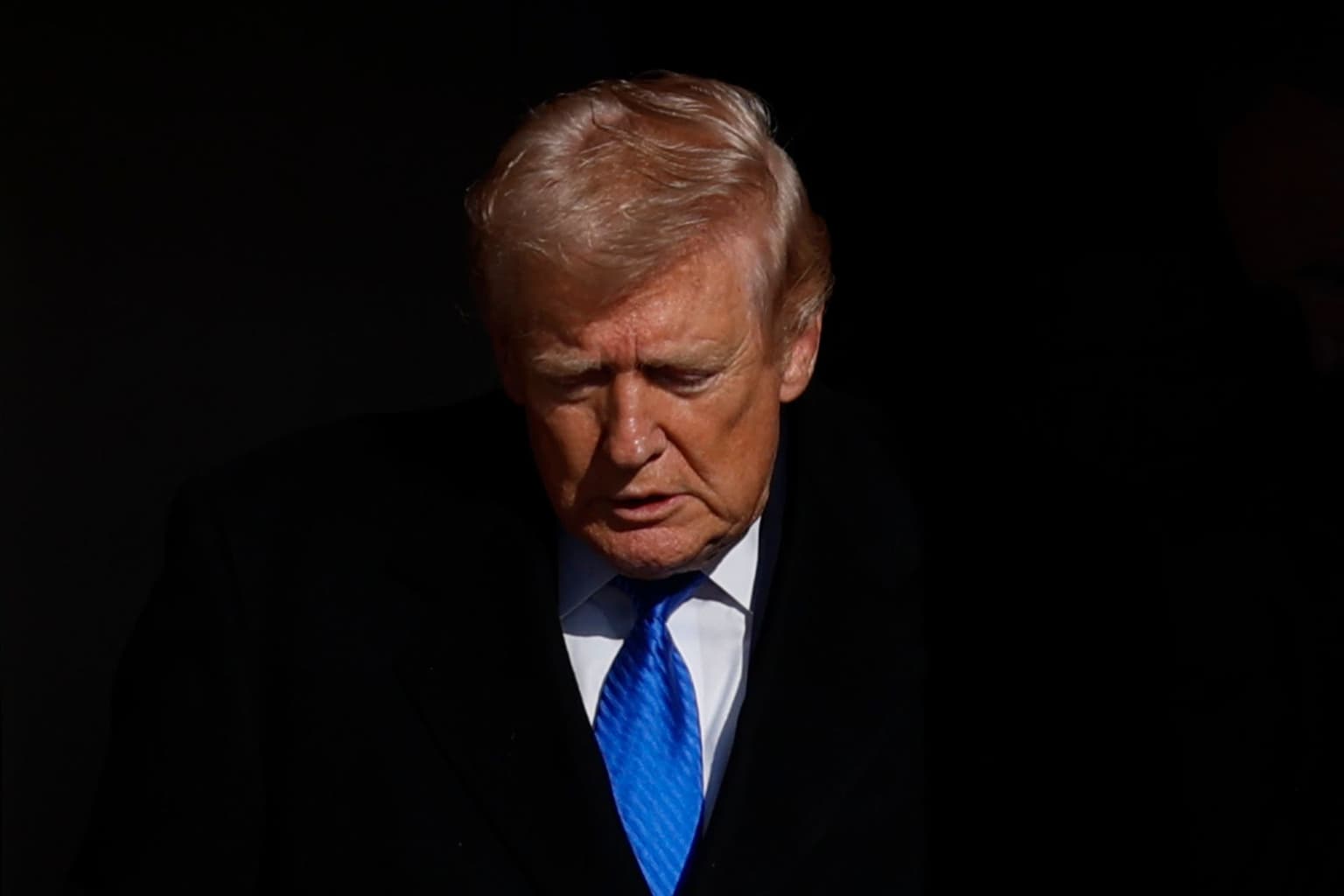
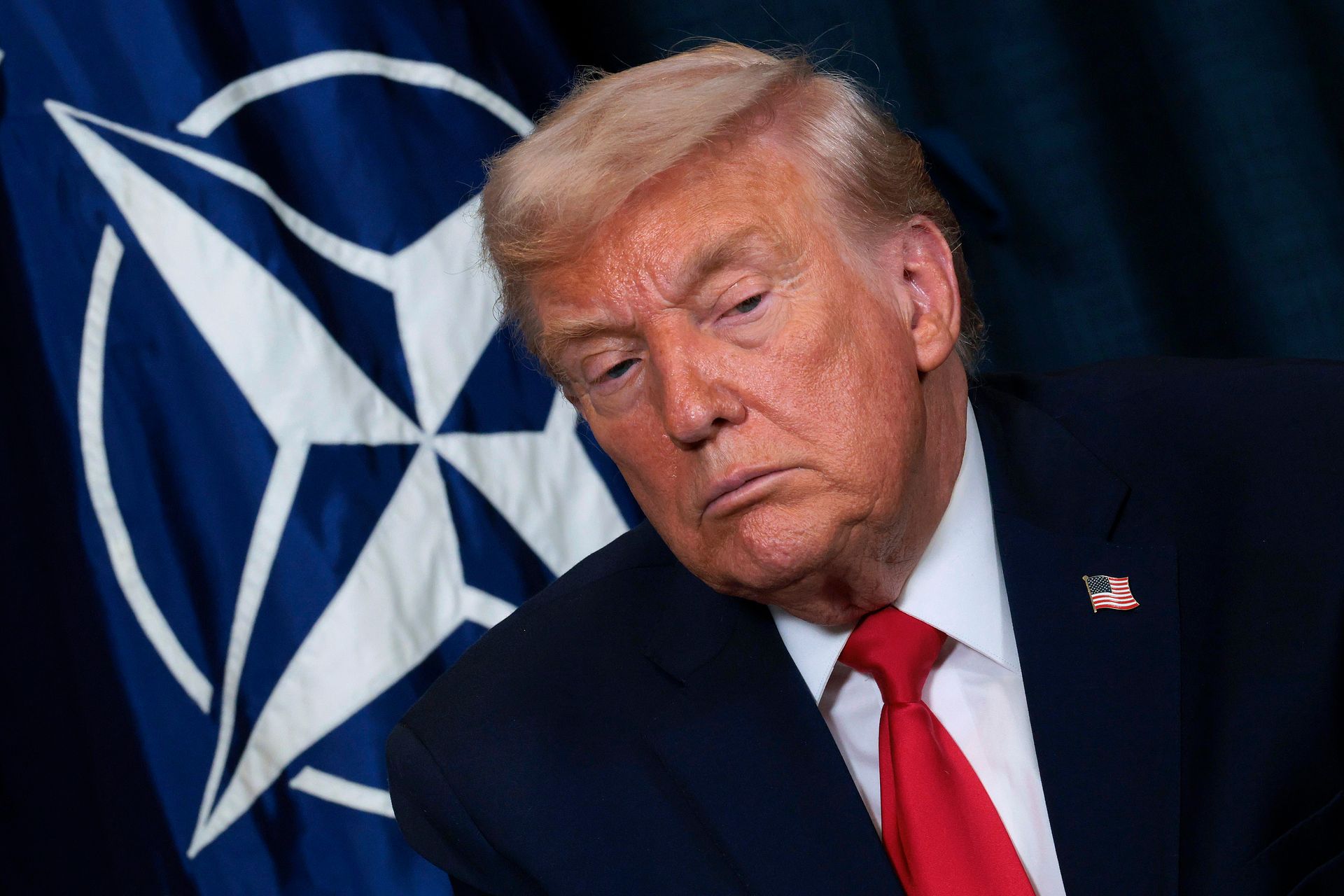
U.S. President Donald Trump said in an address on April 1 that the war in Iran is approaching its end — while also pledging to continue fighting until the United States achieves its military objectives.
The address marked Trump's first major speech on the war since the U.S. and Israel launched coordinated strikes against Tehran on Feb. 28. He reiterated the stated goals of the operation, which include destroying Iran's navy and military-industrial base, dismantling the country's ability to sponsor regional terrorist groups, and preventing Iran from developing a nuclear weapon.
"I'm pleased to say that these core strategic objectives are nearing completion," Trump said.
The U.S. will not end the war until it achieves those objectives, he added.
"We are on track to complete all of America's military objectives shortly, very shortly," he said. "We are going to hit them very hard over the next two to three weeks. We are going to bring them back to the Stone Age where they belong."
Trump spent the speech rehashing his justifications for the U.S. attack on Iran, praising the U.S. military's operational achievements, and stressing America's position of oil independence and economic strength.
While some feared Trump would take the opportunity to threaten a U.S. withdrawal from NATO, Trump did not mention the alliance in his address. He did, however, urge other countries besides the U.S. to take responsibility for protecting the Strait of Hormuz.
Trump's exit plan
Trump said in his address that the war would end "very shortly," wrapping up in two to three weeks. He outlined plans to strike the country's electrical plants and send Iran "back to the Stone Age."
He also assured the U.S. public that the spike in gasoline prices triggered by the war would be temporary.
Since the U.S. launched coordinated strikes against Iran with Israel on Feb. 28, the war has expanded across the Middle East, subjecting military and civilian infrastructure across the region to attacks.
Tehran retaliated with drone and missile strikes against Israel and neighboring countries, including Saudi Arabia, Qatar, and the United Arab Emirates.
While the first wave of U.S.-Israeli strikes killed Iran's Supreme Leader Ali Khamenei and other top officials, the hardline Iranian regime has not been ousted. Khameini was succeeded by his son, Mojtaba Khamenei, and the country's leadership has shown no interest in negotiating with the U.S.
Trump said earlier on April 1 that Iran's new leader had asked for a ceasefire, a claim refuted by Tehran. U.S. intelligence assessments also indicate that Iran does not believe Trump is interested in diplomacy, the New York Times (NYT) reports.
Undisclosed U.S. officials told the Washington Post that the Pentagon is drawing up plans for a potential ground operation, which, if approved by Trump, could signal further escalation.
But the war in Iran is also a threat to Trump at home: not only has the war disrupted global energy markets, it has also led to a sharp decline in Trump's domestic approval ratings.
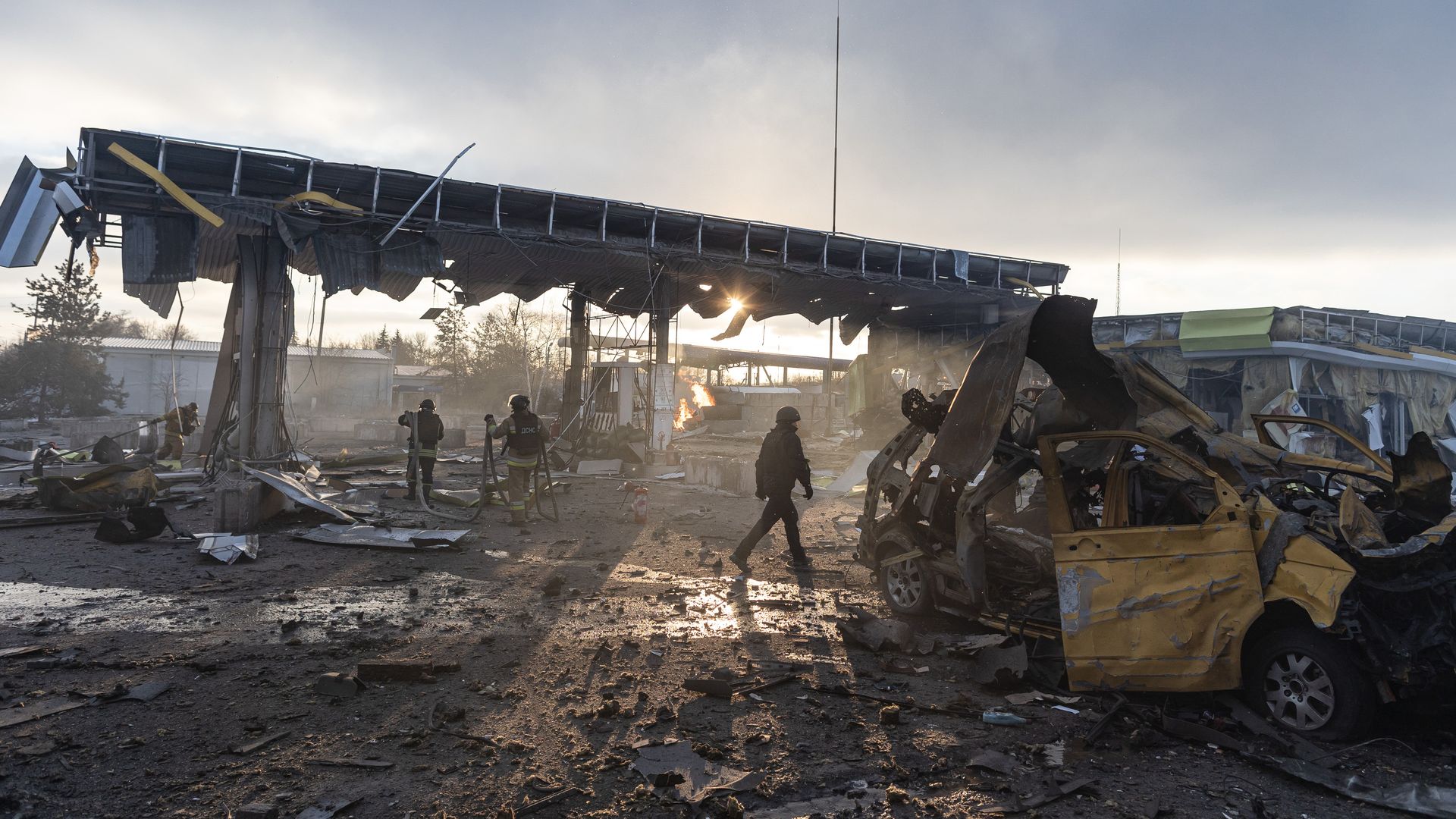
The war in Iran is broadly unpopular, with a Reuters/Ipsos poll from March 27-29 indicating that 60% of Americans oppose the war, while only 35% approve. According to a Fox News poll conducted March 20-23, 59% of U.S. voters disapprove of Trump's job as president — the lowest ratings of his term.
Thousands took to the streets in cities across the U.S. on March 29, joining in anti-Trump "No Kings" demonstrations that focused heavily on the war in Iran.
The U.S. has also been implicated in deadly strikes against civilians, including a missile attack on a girls' school in Iran that reportedly killed over 175 people, mostly children. An NYT investigation determined that the U.S. struck the school with a Tomahawk missile due to a targeting error.
The backlash against the war has exacerbated fears that Republicans will lose control of Congress in the November 2026 midterm elections, further threatening Trump's grip on power.
The April 1 address gave Trump an opportunity to cast the story of the war as one of American triumph.
"We are in this military operation so powerful, so brilliant against one of the most powerful countries for 32 days, and the country has been eviscerated and essentially is really no longer a threat. … This is a true investment in your children and your grandchildren's future," he told the American people.
How US war in Iran became Trump's clash with NATO
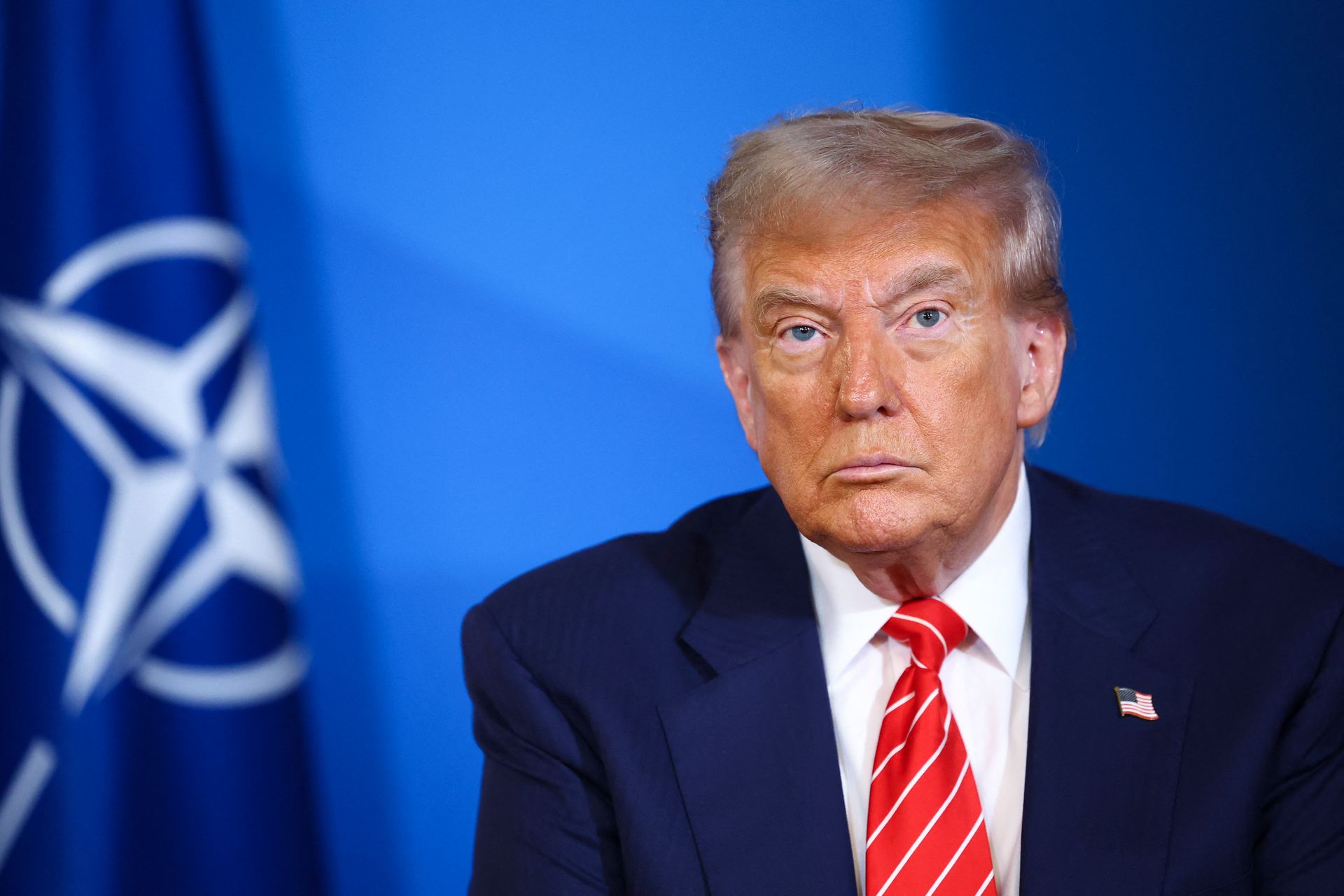
The April 1 address came on the same day that Trump said he was strongly considering pulling the U.S. out of NATO due to allies' refusal to join the war against Iran.
Asked by the Telegraph whether he would reconsider the U.S. membership in the alliance after the war, Trump said: "Oh yes, I would say (it's) beyond reconsideration. I was never swayed by NATO."
The U.S.-Iran war, ongoing for over a month, has led to the closure of the Strait of Hormuz — a key waterway through which nearly 20% of the world's oil transits — and driven a global surge in fuel prices.
Trump emphasized in his speech that the U.S. does not rely on oil shipped through the strait, even though gasoline prices have surged across the country. He also promised that once the war ends, the strait will reopen — though it's unclear exactly how that will work.
"When this conflict is over, the strait will just open up naturally," he said.
Trump urged other nations to secure the strait, though he did not say which ones.
"The countries of the world that do receive oil through the Hormuz Strait must take care of that passage, they must cherish it, they must grab it and cherish it," Trump said.
"They can do it easily. We will be helpful, but they should take the lead in protecting the oil they so desperately depend on. So to those countries that can't get fuel, many of which refuse to get involved in the decapitation of Iran ... I have a suggestion. Number one, buy oil from the United States of America."
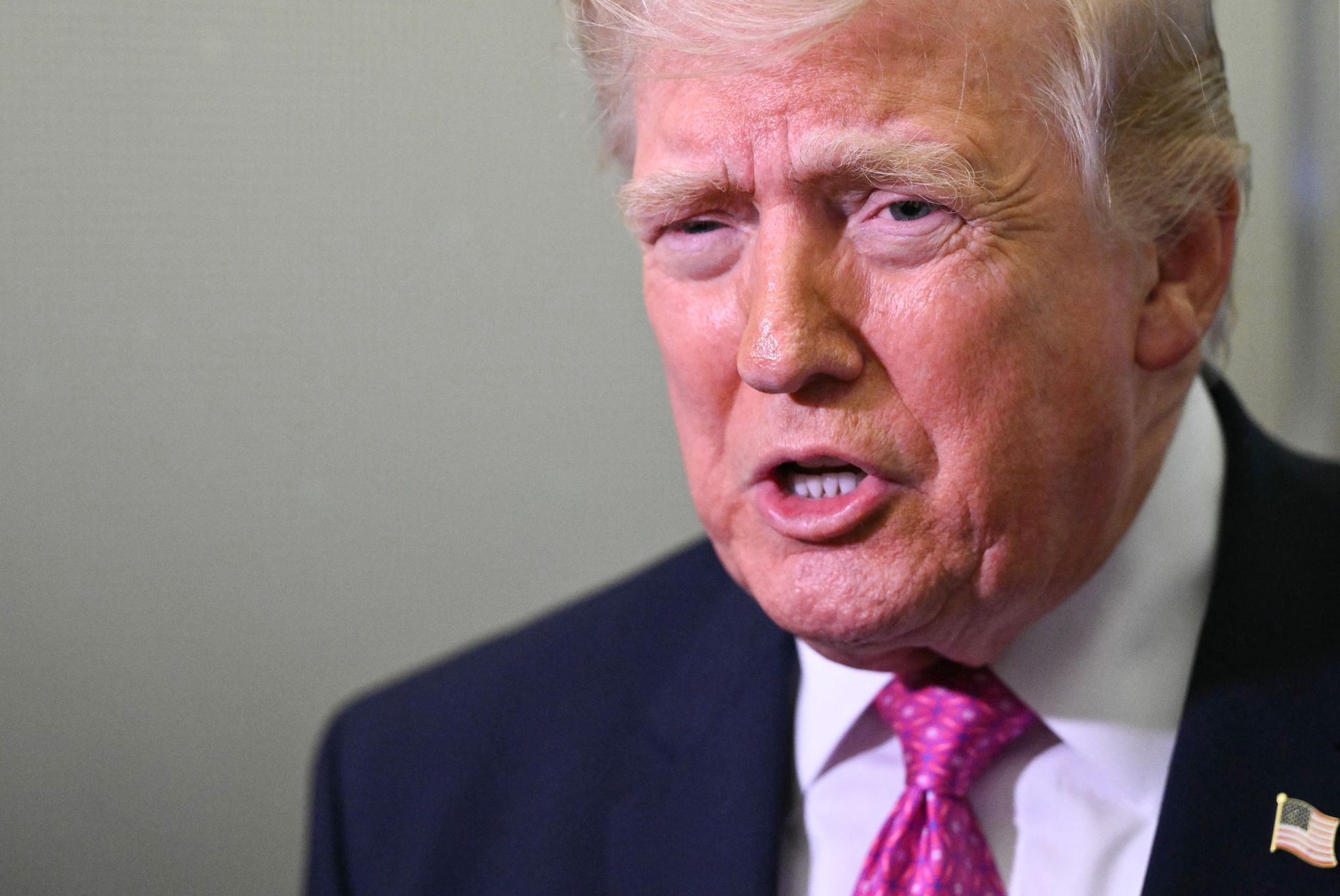
Trump also offered a second suggestion to those unspecified nations: "(B)uild up some delayed courage...go to the strait and just take it. Protect it. Use it for yourselves."
The remarks come amid a growing rift between the U.S and Europe over the Strait of Hormuz — one that has also put crucial weapons for Ukraine at risk.
European allies rejected Trump's calls to send warships to reopen the Strait of Hormuz, and some have closed their airspace to U.S. aircraft involved in the military operation.
Washington did not consult its European partners before the attack on Iran, and the NATO collective defense principle does not require partners to join offensive wars.
Europe's response has drawn outrage from Trump, who reportedly threatened to halt weapons supplies to Ukraine if NATO allies did not fall in line. Officials told the Financial Times (FT) that Trump said he would stop the Prioritized Ukraine Requirements List (PURL) program — an initiative that allows NATO countries to buy critical U.S. weapons, such as Patriot interceptor missiles, for transfer to Ukraine — unless Europe helped unblock the strait.
NATO Secretary General Mark Rutte then published a joint statement, along with France, the United Kingdom, Germany, and other allies, that pledged to secure the Strait of Hormuz once the fighting ends.
Still, Trump has expressed anger at NATO, and is now reevaluating U.S. "support for the European efforts in Ukraine" in light of these events, according to Matthew Whitaker, the U.S. ambassador to NATO.
Despite Trump's displeasure, withdrawing the U.S. from NATO would require cooperation from the U.S. Congress, where the alliance is widely supported. In 2023, Congress passed a bill — advocated by then-Senator Marco Rubio, now Trump's Secretary of State — barring any U.S. president from unilaterally withdrawing from NATO without the approval of two-thirds of the Senate or an act of Congress.
read also
 Martin Fornusek
 Abbey Fenbert
 Martin Fornusek