US Treasury chief defends Russian oil sanctions relief, says price cap limits Kremlin gains
 on Google
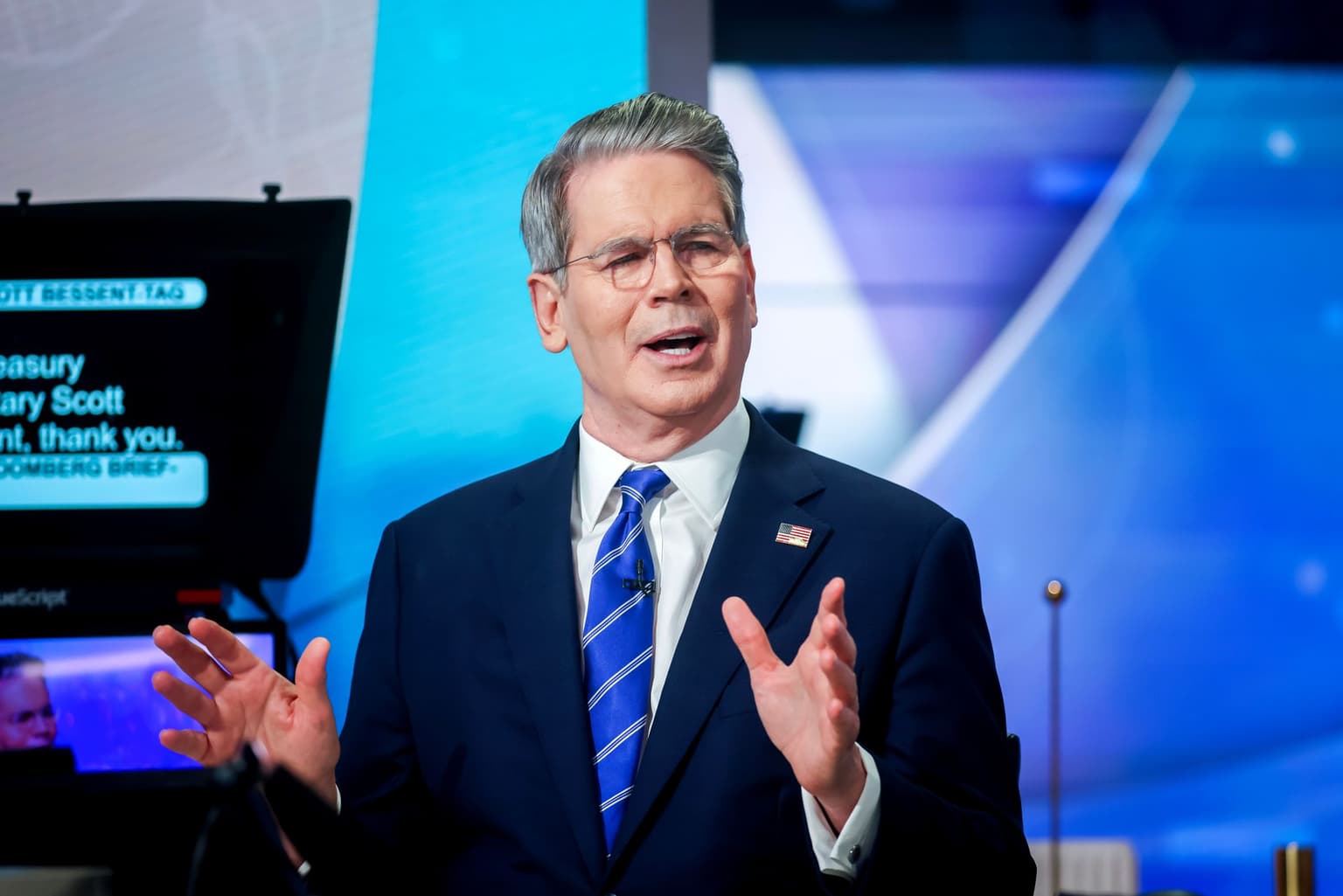
U.S. Treasury Secretary Scott Bessent defended the Trump administration’s recent decision to ease restrictions on Iranian and Russian oil exports, arguing that the move could broaden access to supply beyond China while helping prevent a sharp surge in global prices.
Speaking on NBC News' "Meet the Press" on March 22, Bessent said allowing countries such as Japan and South Korea to purchase the oil would help stabilize the market and limit the financial gains for both Moscow and Tehran.
"Our analysis shows that the maximum extra amount that Russia could get would be $2 billion, which is which is one day of the Russian Federation’s budget," he said. "Does Russia get more money if oil goes to $150 and they get 70% of that — that’s $105 — or if oil stays below $100, so they’re getting less money?"
On March 12, the U.S. Treasury Department issued a temporary license permitting the sale of Russian oil that remains stranded at sea, describing the step as part of efforts to ease pressure on global energy markets.
The decision signals a notable shift in Washington’s sanctions approach.
Until recently, U.S. officials had positioned potential sanctions relief as a bargaining tool to extract concessions from Russia in negotiations aimed at ending its full-scale invasion of Ukraine.
The White House’s move to ease sanctions on Russian oil could generate up to $150 million per day for the Kremlin, potentially boosting its ability to finance the war against Ukraine, U.S. Democratic senators warned.
"President Trump's decision to provide sanctions relief to Russia is yet another example of how Putin has been one of the prime beneficiaries of President Trump's poorly conceived and executed war against Iran," Senators Elizabeth Warren, Jeanne Shaheen, and Chuck Schumer said in a March 13 statement shared with the Kyiv Independent.
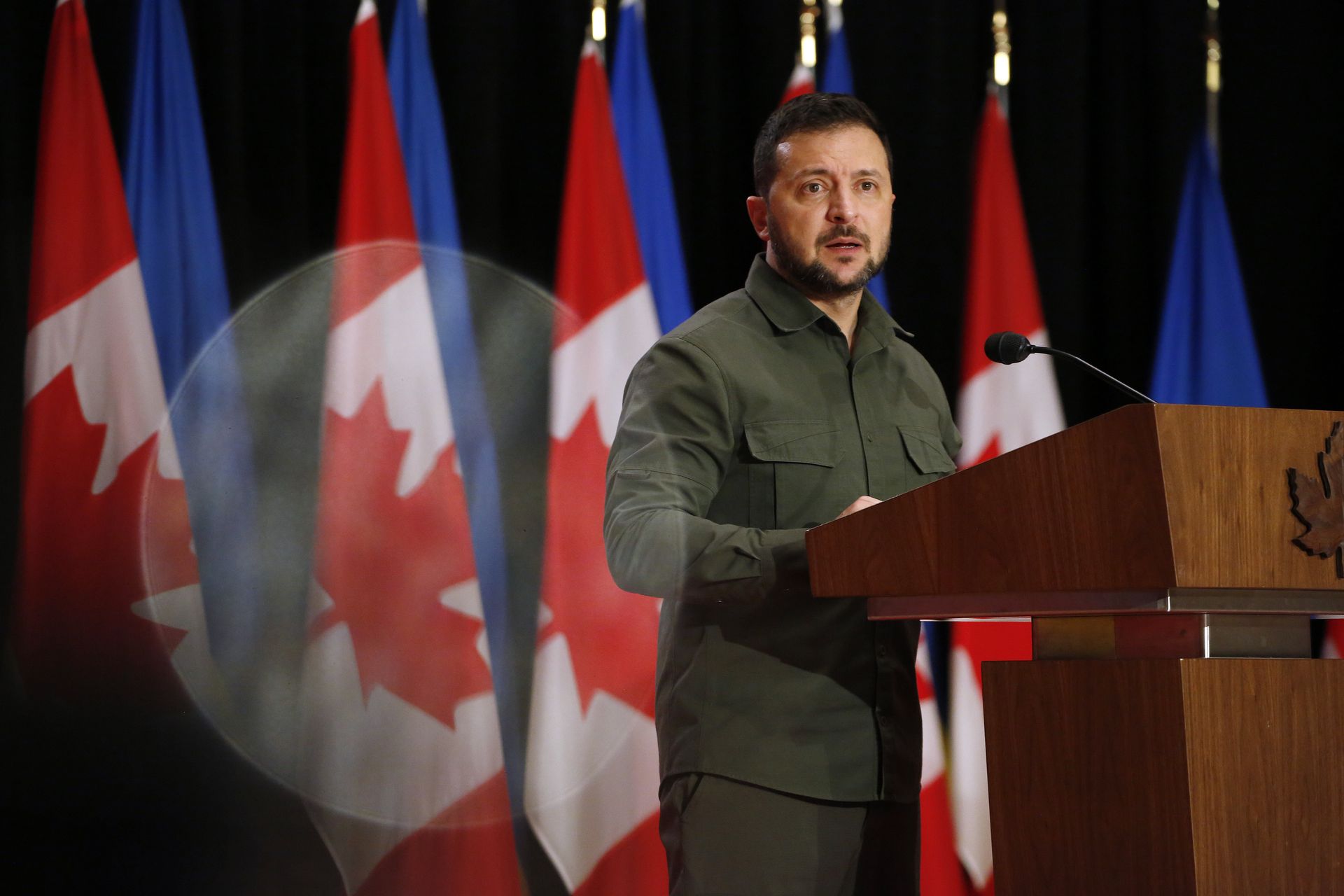
Although Russia has already approved its military budget for the year, President Volodymyr Zelensky has cautioned that any additional revenue would likely be funneled into defense spending, particularly the production of drones used in large-scale attacks on Ukrainian cities.