The Kyiv Independent Live in London:

Ukraine’s Special Forces report killing 12 North Korean soldiers in Kursk Oblast
 on Google
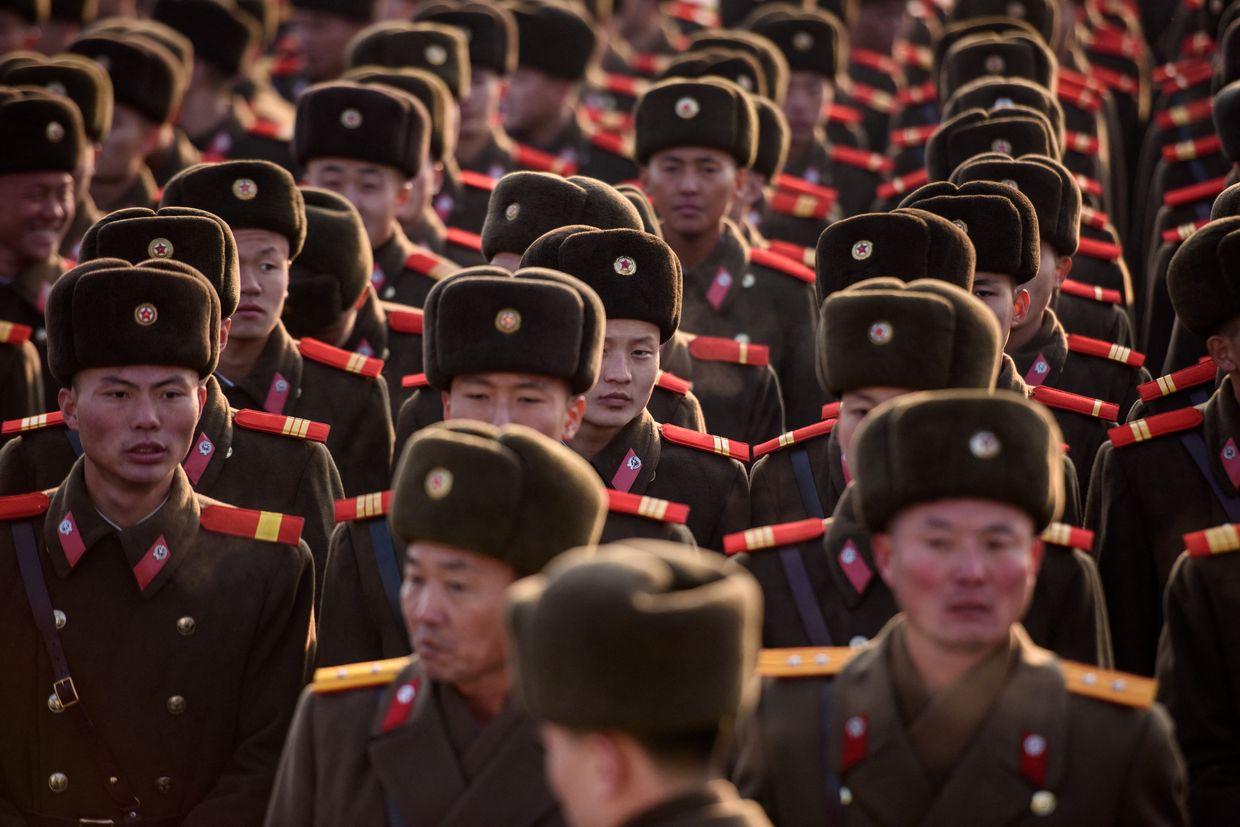
Ukraine’s Special Operations Forces reported on Dec. 19 that they had killed 12 North Korean soldiers and injured 20 others, preventing their advance in Russia's Kursk Oblast.
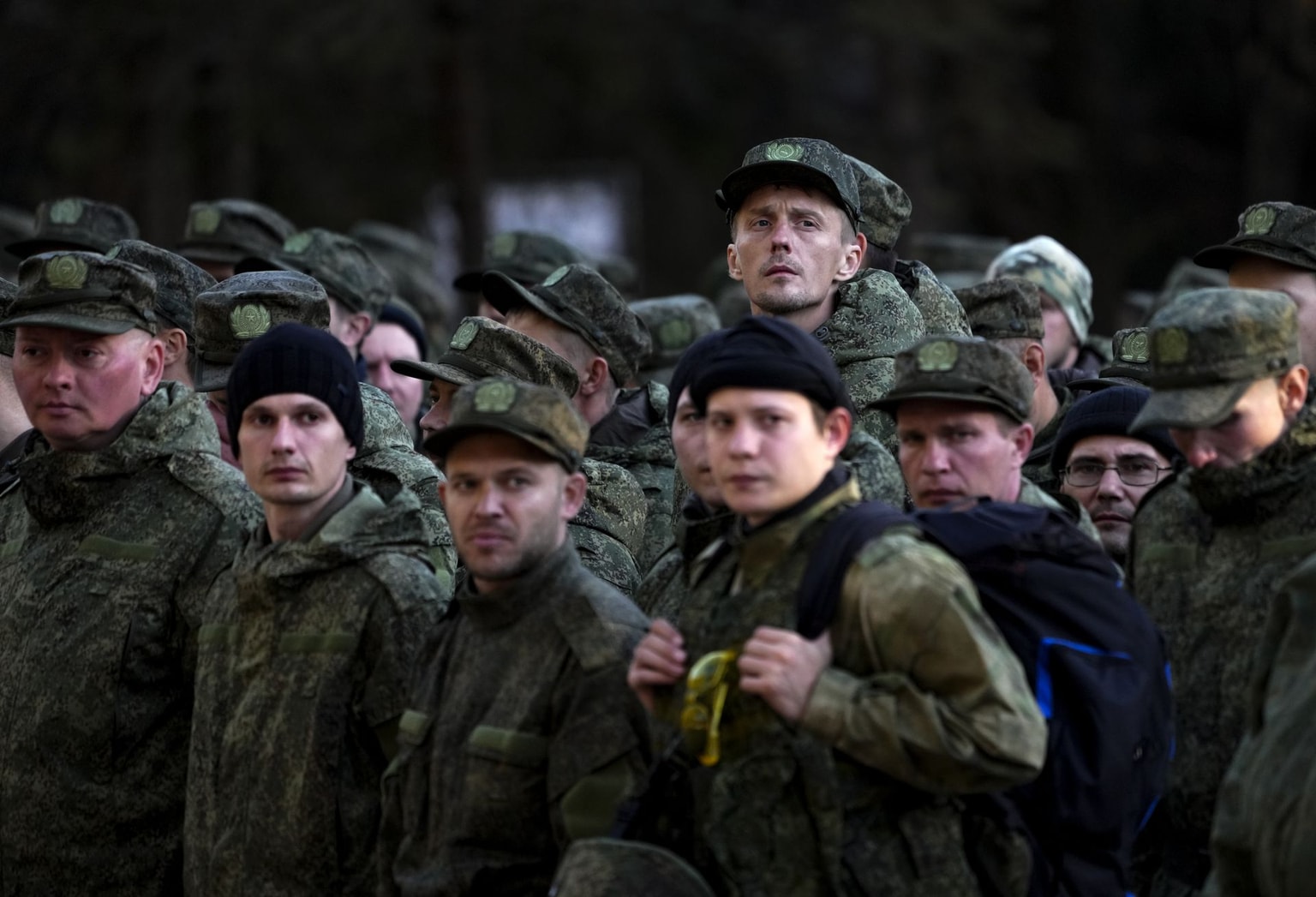
Russia has reportedly deployed over 10,000 North Korean troops to help oust Ukrainian troops fighting in Kursk Oblast since early August.
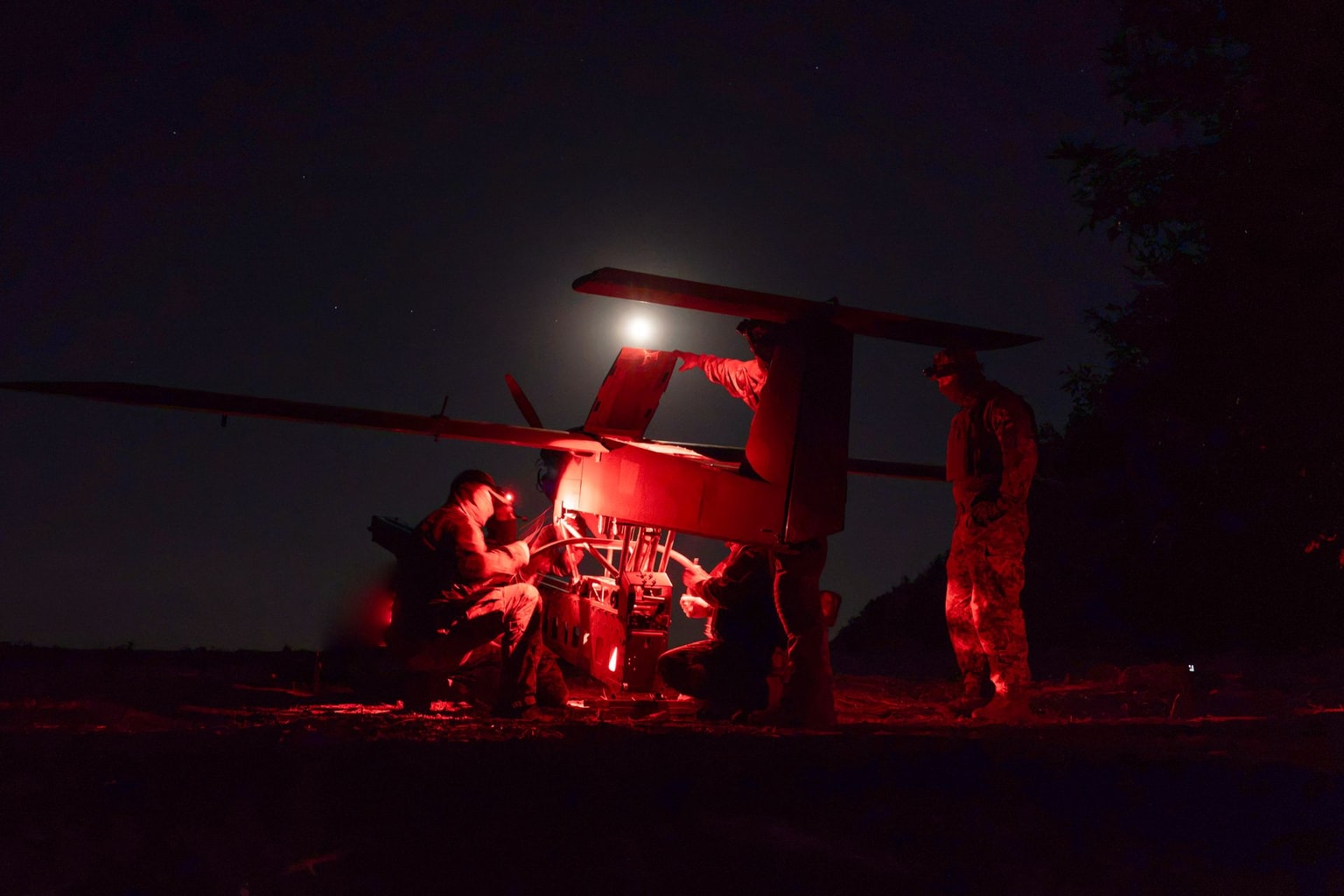
Ukraine’s Special Operations Forces used drones and an Mk-19 grenade launcher to counter the North Korean soldier's attempt to advance, according to the released statement and video.
Ukraine's military intelligence agency (HUR) earlier reported that 30 North Korean soldiers were killed or injured during ground assaults on Dec. 14-15.
A total of at least 100 North Korean troops have been killed while fighting for Russia against Ukraine, a South Korean lawmaker said after an intelligence briefing, the BBC reported on Dec. 19.
The Kyiv Independent could not verify these claims.
The use of North Korean troops in Russia's ground operations was confirmed earlier in November, but their involvement has intensified recently.
Pentagon spokesperson Major General Patrick Ryder confirmed on Dec. 16 that North Korean soldiers were actively participating in combat operations alongside Russian troops in Kursk Oblast and had suffered their first casualties.
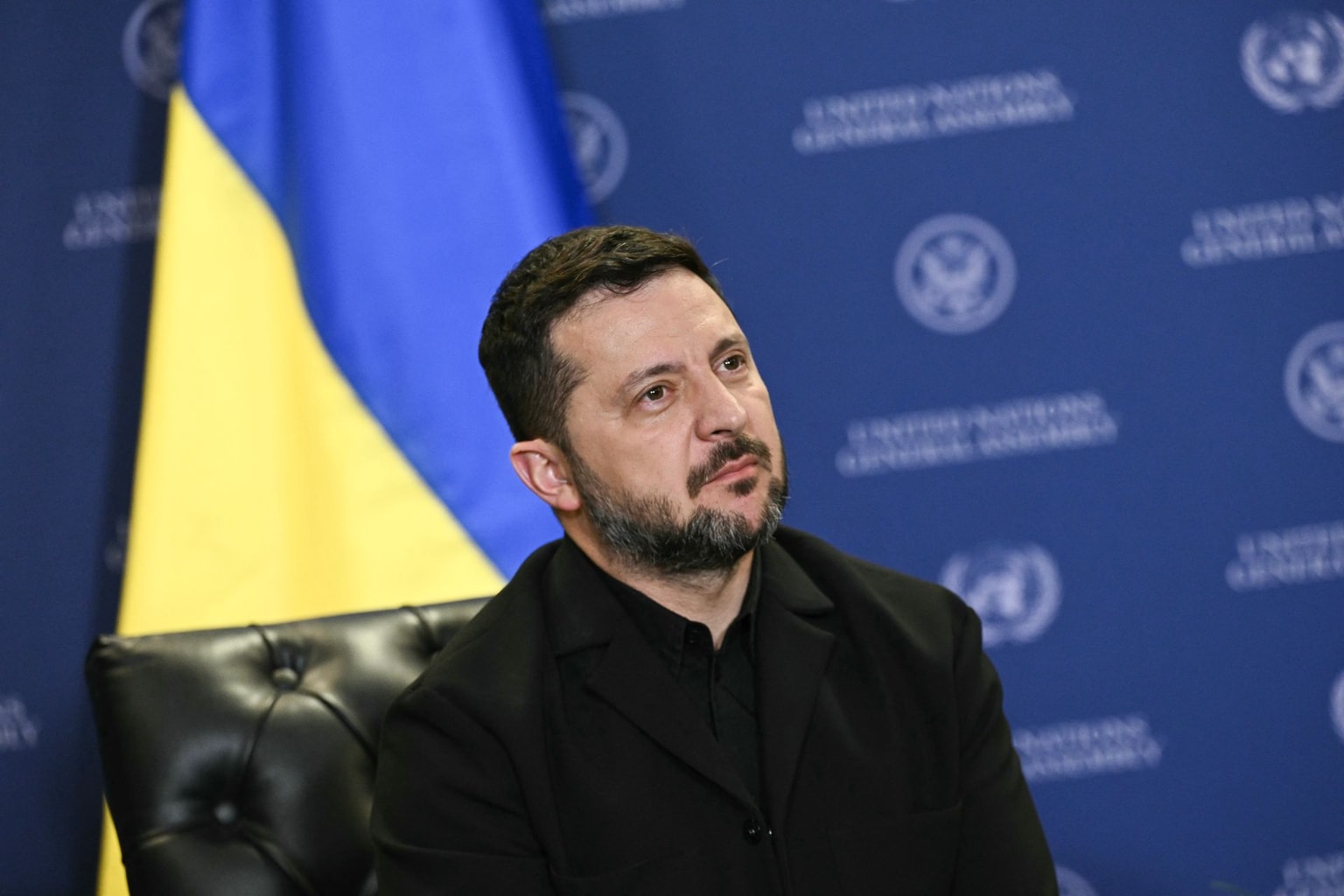
President Volodymyr Zelensky claimed that Russia was trying to conceal the extent of the losses among the North Korean soldiers.