Ukraine's Tomahawk hopes fade further as US depletes stockpiles in Iran
 on Google
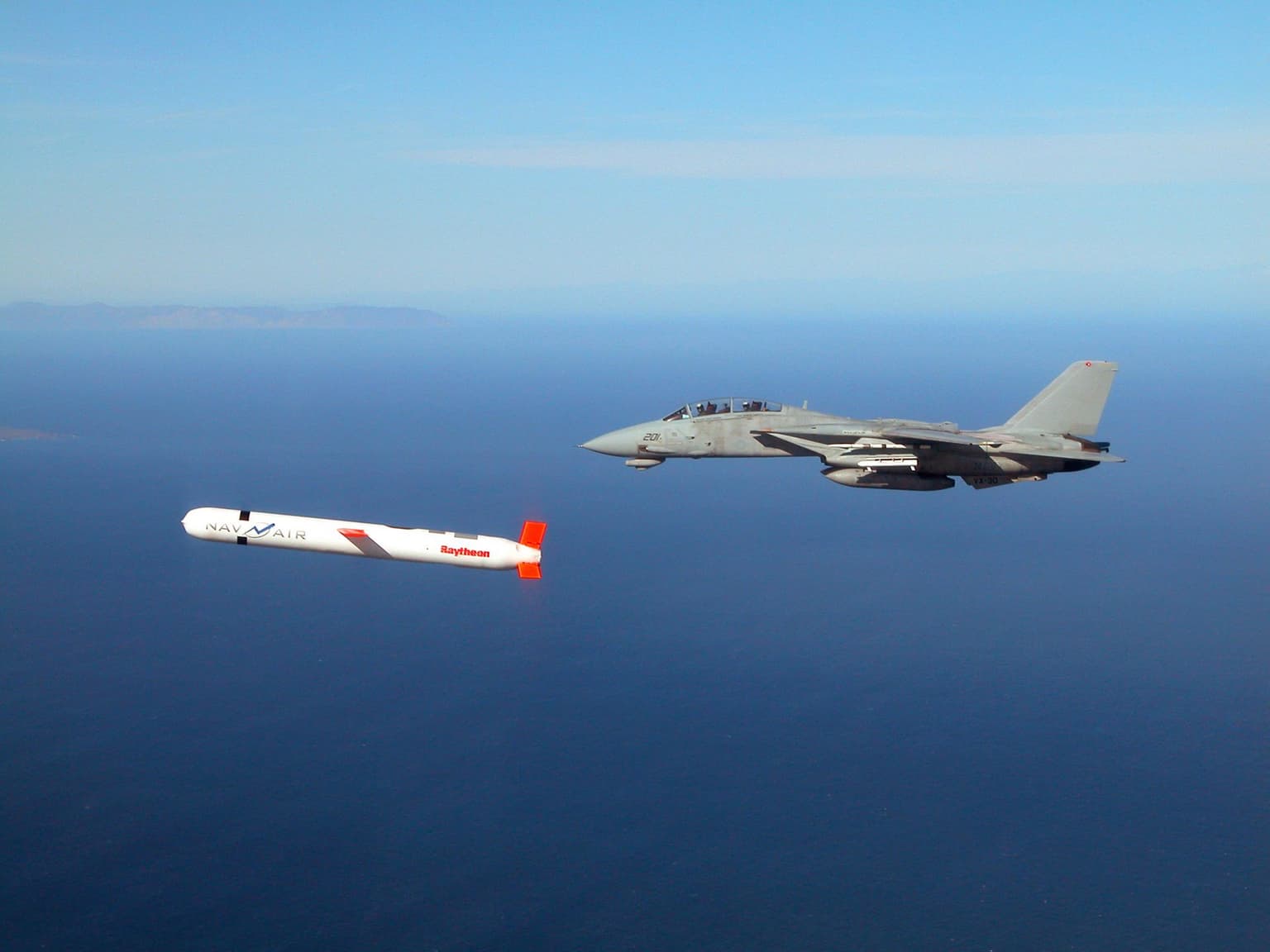
Washington's reported rapid depletion of Tomahawk missiles during the war with Iran has further dimmed Ukraine's already slim hopes of receiving these powerful weapons.
The Trump administration has spent "years" worth of critical ammunition during the ongoing conflict in the Middle East, including Tomahawks, the Financial Times reported on March 12, citing undisclosed sources.
One source told the outlet that the U.S. Navy will be feeling this "massive expenditure of Tomahawks" for several years.
Kyiv has long sought the Tomahawk cruise missiles that would allow it to strike Russian military assets 1,600 to 2,500 kilometers (1,000-1600 miles) away — a possibility once floated but eventually dropped by U.S. President Donald Trump.
An expert told the Kyiv Independent on March 13 that while a U.S. policy reversal on Tomahawks has already been unlikely after earlier rejections, the latest development further diminishes those prospects.
"The very heavy use of Tomahawk against Iran will have put significant pressure on the U.S. Navy stockpile," making deliveries "more unlikely than before," said Justin Bronk, an expert in airpower and defense technology at the U.K.-based Royal United Services Institute (RUSI).
Pentagon officials reportedly told U.S. senators that the first six days of the war cost over $11.3 billion, mainly in ammunition.
First used in combat during Operation Desert Storm in 1991, the Tomahawk remains a key component of the U.S. long-range strike arsenal. Each missile costs about $2 million and is produced by Raytheon.
Designed to fly at low altitudes, the missile can perform evasive manoeuvres to reduce the risk of interception. The latest variants can also be reprogrammed mid-flight and even loiter over a target before striking.
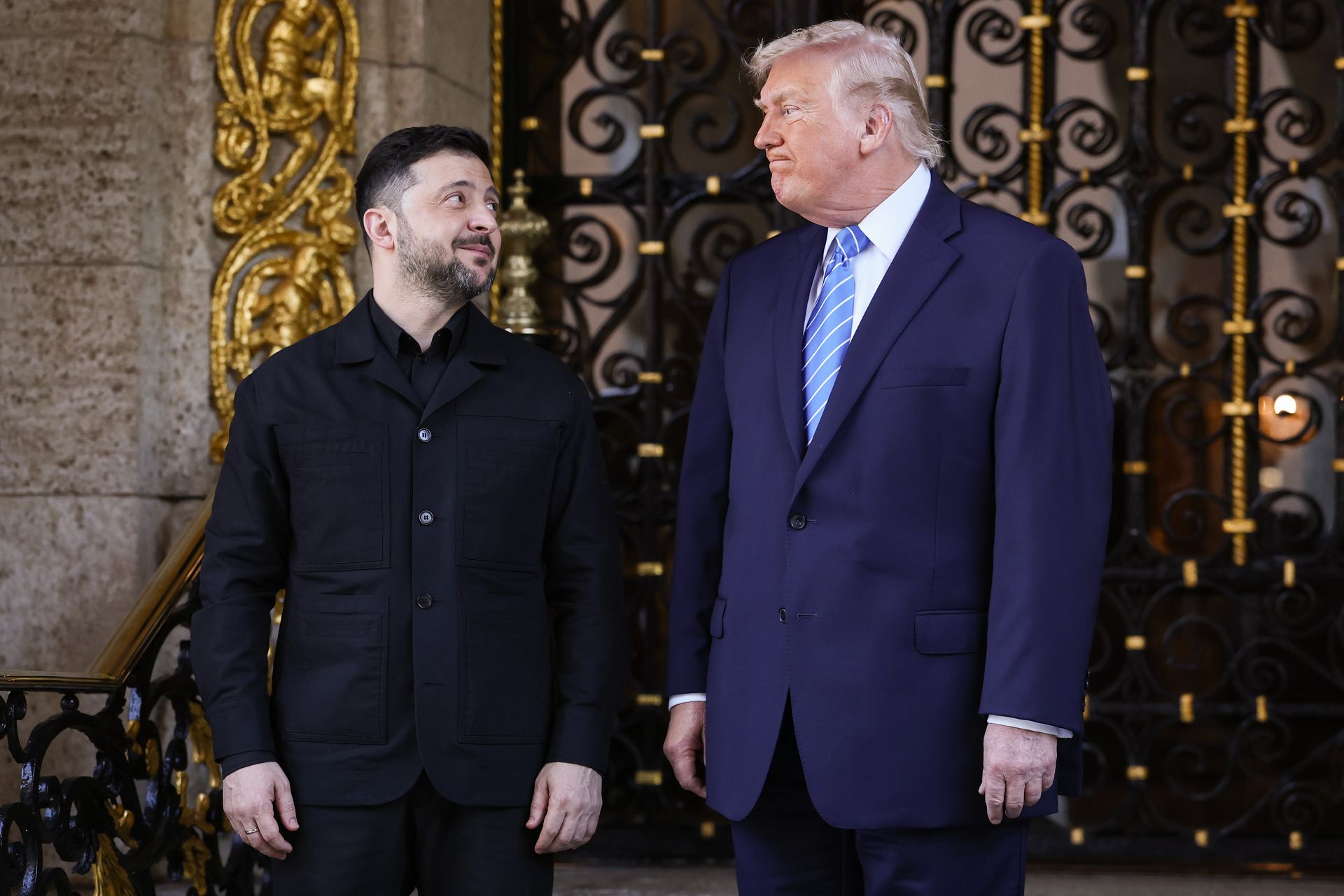
Last year, Trump suggested providing Tomahawks to Ukraine to pressure Moscow into earnest peace talks. But the U.S. president stopped short of taking the step after a tense meeting with President Volodymyr Zelensky in October 2025.
Kyiv argues that a fair peace can be achieved only by increased international pressure on Russia, including through sanctions and deliveries of advanced weaponry to Ukrainian forces.
Trump has been inconsistent in his peace-brokering strategy, most recently easing sanctions on Russian oil amid a fuel price surge driven by the war with Iran.