Ukraine's defense industry outgrew its wartime rules
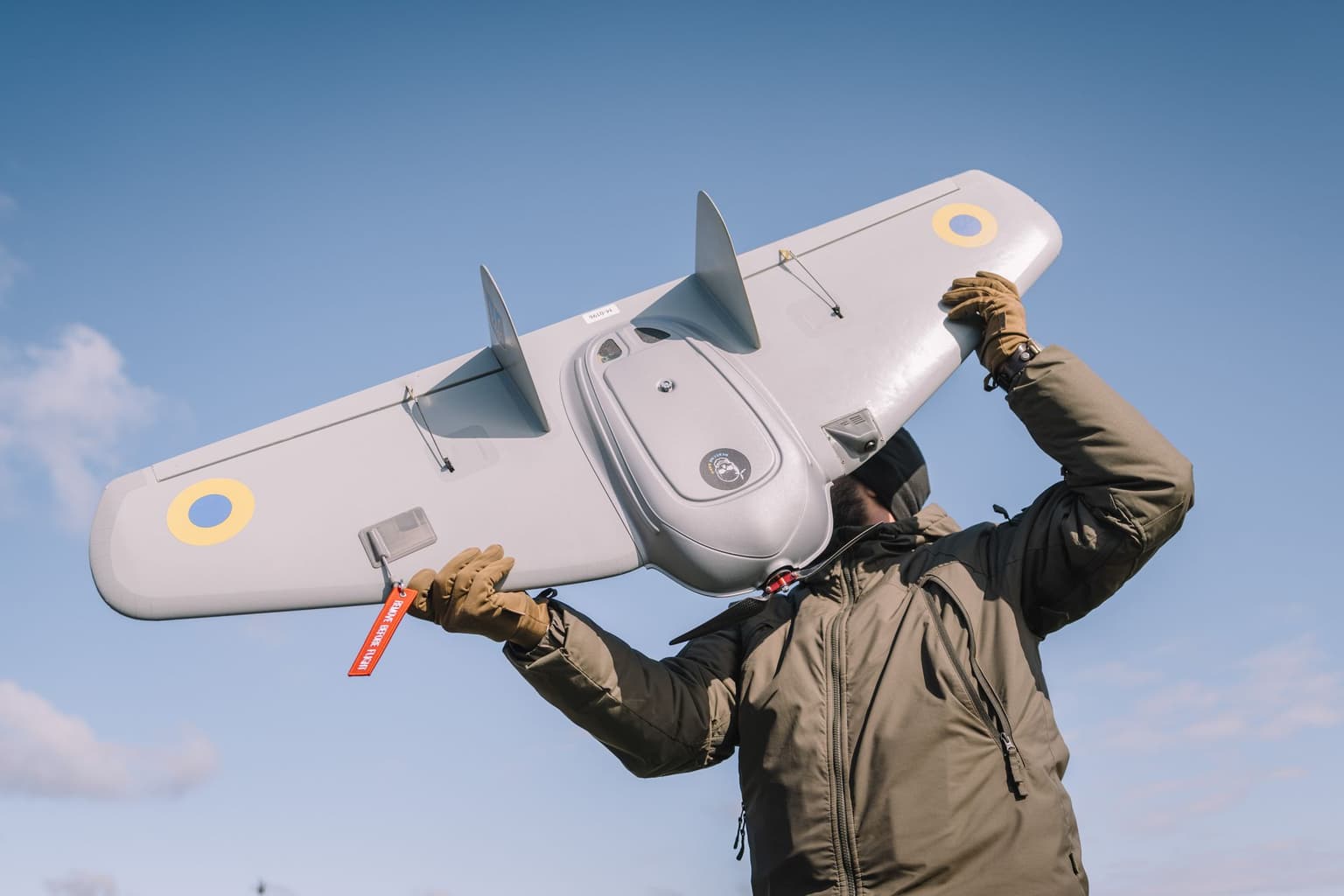
A first-person view (FPV) fixed-wing drone during a test exhibition of Brave1 ground robots at an undisclosed location in Ukraine, on Friday, April 11, 2025. Brave1 is a government-backed initiative to help the private sector and military work together on defense tech. (Andrew Kravchenko/Bloomberg via Getty Images)
 on Google
Nicolas Robert
Managing Director of Massiliote Advisors
Four years of existential war against Russia have produced a military technology model in Ukraine few traditional procurement systems could replicate.
Brave1, Ukraine's state-backed defense tech platform, currently connects more than 2,500 companies and over 5,000 products, and Ukraine no longer needs to prove that it can turn battlefield problems into fielded capabilities at speed. Today's challenge, though, is preserving the incentives that let it adapt faster than the threats it faces.
This is why the Ukrainian government's move to open up defense exports is such a big deal. And even though the reform will obviously increase sales and revenue for Ukrainian defense companies in foreign markets, the real need is to ensure Ukraine's miltech has a future.
Controlled exports can turn a temporary wartime expansion into a reliable system that attracts investors, keeps factories open, and always puts Ukraine's military needs first.
In May 2025, Ukraine's defense companies raised the issue with President Volodymyr Zelensky. They asked for the establishment of a clear permit system and allowance for controlled weapons exports. The logic was that Ukraine already produces "the technologies the world is looking for."
The real obstacle has always been uncertainty. While wartime exports remained legally possible, opaque government decisions made it almost impossible for manufacturers to plan ahead, secure investment, or expand production.
Earlier this year, Kyiv approved the first limited export licenses, but the process remained unpredictable.

Tech Force of Ukraine says its member companies continued to receive unexplained denials from the State Service for Export Control even as demand for Ukrainian defense technology soared abroad.
The proposed framework seeks to replace discretion with predictability: exporters would first fulfill domestic military contracts, sensitive categories would stay under restriction, and part of every export contract would replenish a dedicated state defense fund.
History often rhymes, and unsurprisingly, Ukraine's seen this before.
In 2012, it was the world's fourth-largest arms exporter, with sales exceeding $1 billion. Post-Maidan, exports fell sharply as soured relations with Russia severed legacy markets. While no one yearns for the post-Soviet export model, there's a lesson in that defense markets take time to build and can be abruptly lost.
Today’s stakes are much higher as industry representatives estimate the sector now includes approximately 900 companies and more than 300,000 workers.
Official data suggests capacity rose from $1 billion in 2022 to $35 billion in 2025, while Reuters reports that current capacity exceeds $55 billion. That's a 55-fold jump since the start of the full-scale invasion. Yet the Ukrainian Council of Defense Industry estimates domestic production at around 40% of potential capacity, with domestic capability already exceeding state procurement in UAVs, electronic warfare, and reconnaissance.
The real export problem is that Ukraine must prevent excess capability from becoming idle capacity that stifles innovation.
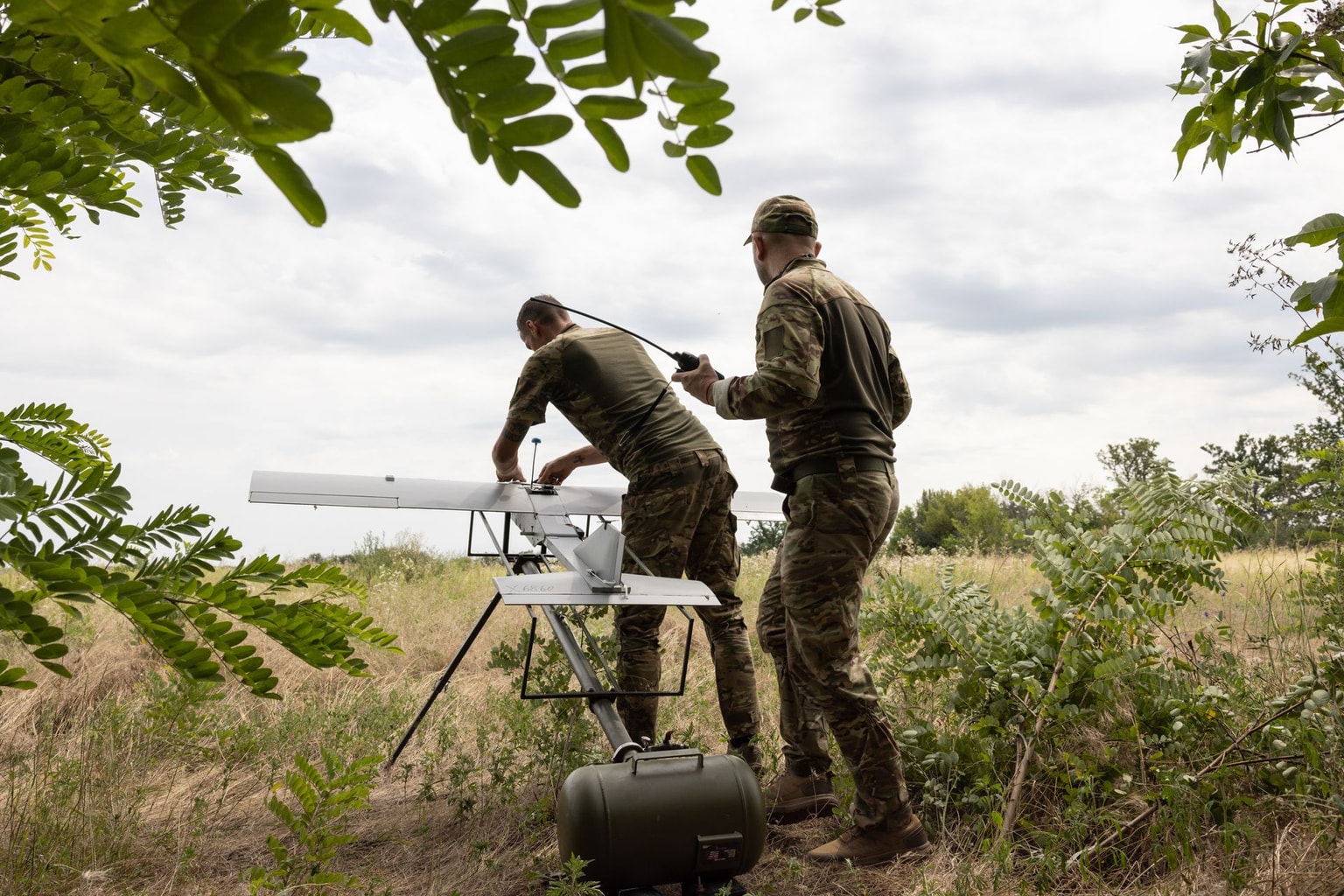
Ukraine's true competitive advantage is a faster innovation cycle. Front-line units identify problems, engineers respond with software updates or redesigned components, and capabilities return for fresh feedback. Sometimes the cycle takes days; other times, hours. Frontline Robotics, one of the industry leaders, publicly stated that it can implement up to 20 product changes per month under combat conditions.
Traditional procurement was never built for that pace.
That cycle is what export policy must protect and nurture. Naturally, the war forces companies to build and test new tech quickly, but surviving long term requires money, access to global markets, and predictable cash flow.
Without that, start-ups go under, brain drain commences, and manufacturing moves overseas. According to October 2025 data cited by OSW, this risk is already evident, with 51% of drone manufacturers considering relocation and 61% citing export restrictions as a reason. Exporting is what keeps the engine running, brings in cash for the next big idea, reduces dependence on a single client, keeps engineers paid, and assembly lines humming.
This is not a free-for-all; export controls are the primary tool. Under this plan, 20% of revenue from finished products and 30% from component parts go straight to a state defense fund. The goal is to carefully expand into global markets to build up Ukraine's industrial base while funneling cash right back into winning the war.
The demand side is no longer hypothetical, as 90% of Tech Force members received cooperation requests from foreign governments in the first quarter of 2026.
The framework will operate through bilateral "Drone Deals" with European and Middle Eastern partners, with additional agreements in the works, including with the United States.
Europe's needs extend beyond drones to a faster innovation cycle.
Bankova got this one right, but it's time to speed up. The debate over export liberalization has so far centered on what Ukraine might sell to the world, but the more important question is what Ukraine is trying to preserve. The time to build external markets is before hostilities end, not once a fair and just peace is achieved.
Editor's note: The opinions expressed in the op-ed section are those of the authors and do not purport to reflect the views of the Kyiv Independent.