Russian 'mothership' drones prompt Ukraine to weigh passport requirement for SIM card sales
 on Google
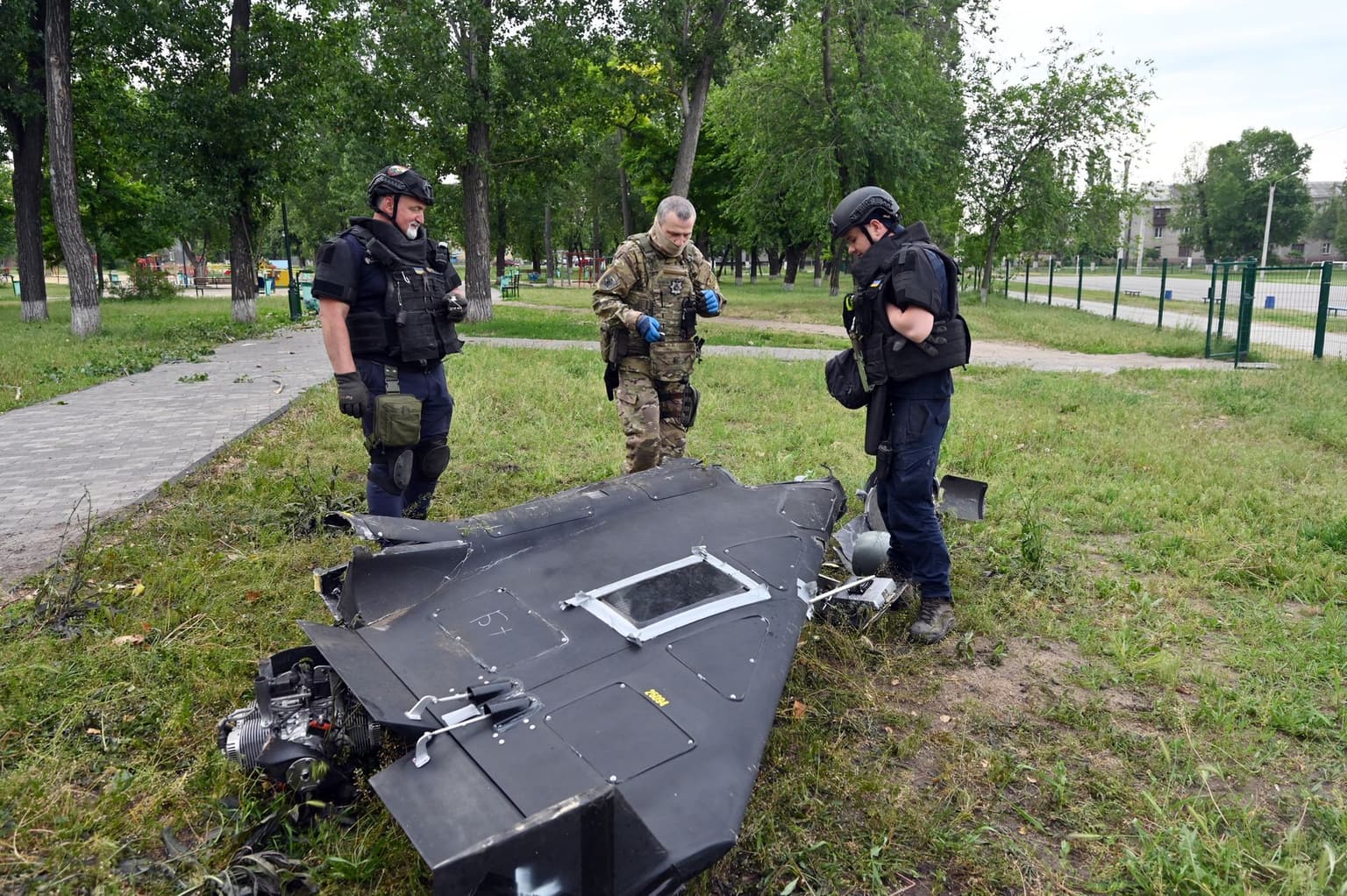
Ukraine is considering requiring passport verification for the purchase of local SIM cards in response to Russia's latest use of FPV (first-person-view) drones, Serhii Beskrestnov, adviser to Defense Minister Mykhailo Fedorov, wrote on Feb. 18 on Telegram.
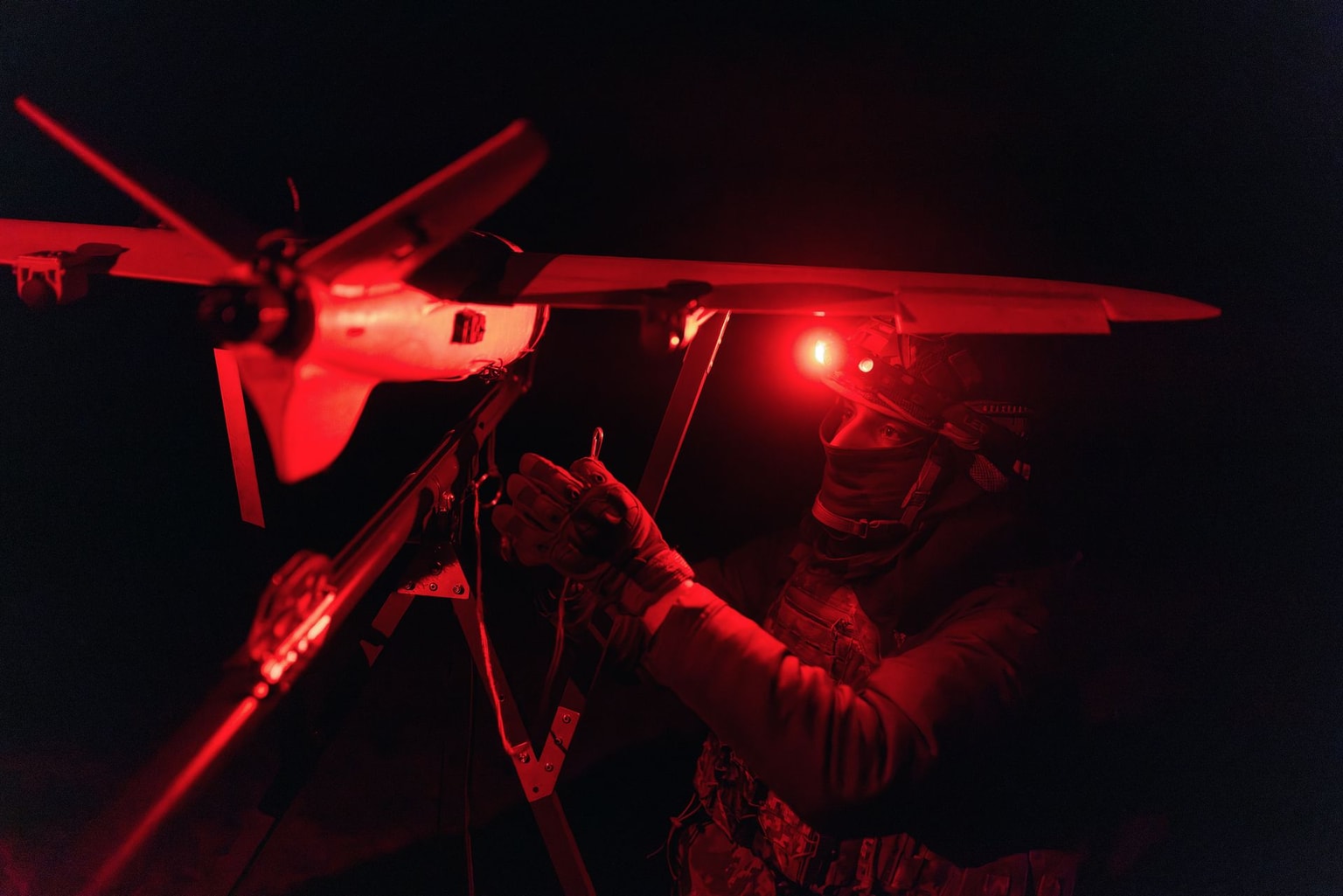
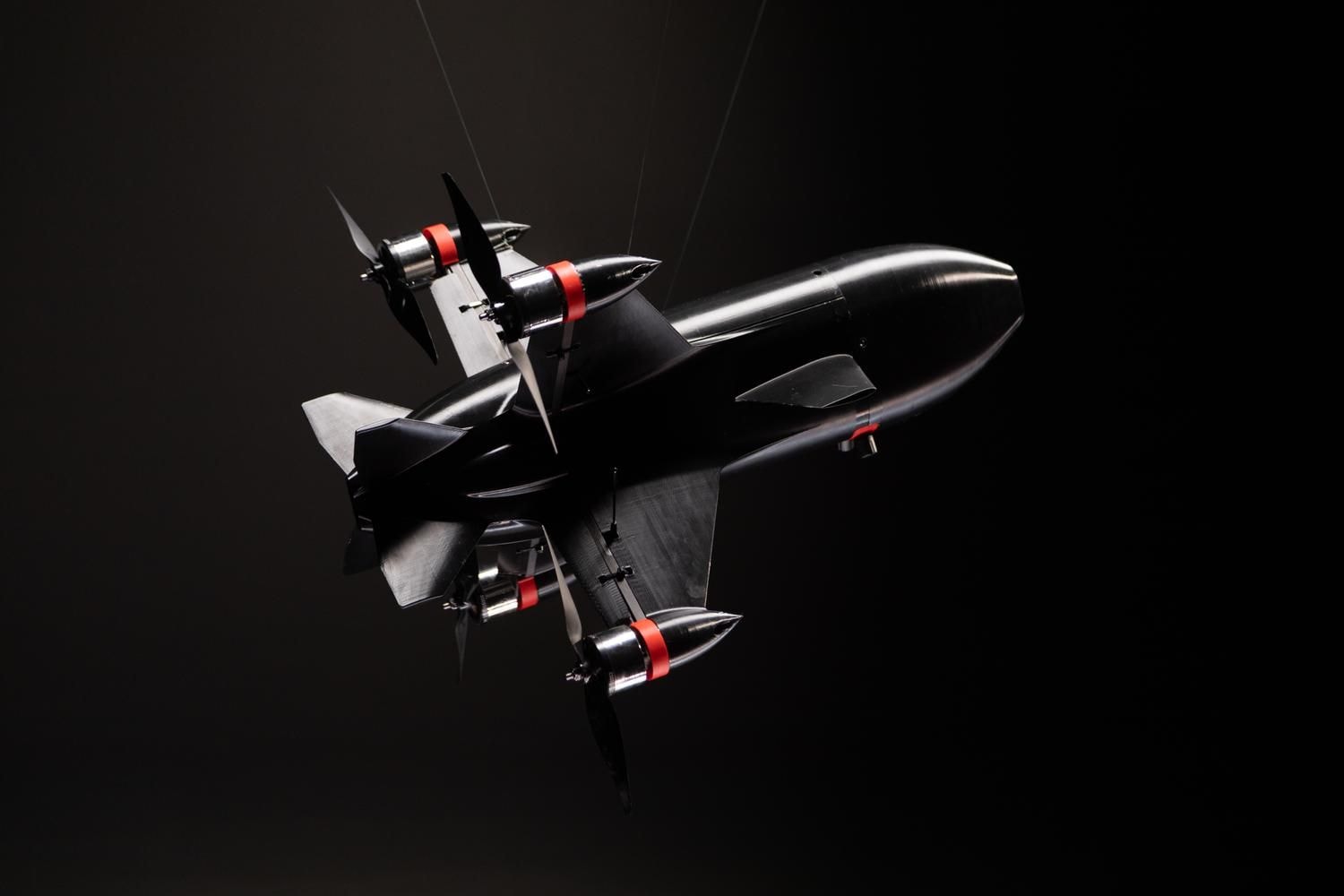
Russia has increasingly deployed so-called "mothership drones" — large unmanned aerial vehicles (UAV) that can carry and launch smaller drones. The tactic has significantly extended the range of FPV drones, which previously operated within 20–30 kilometers (10-20 miles), to much farther distances.
Russian forces are using LTE mobile networks and Ukrainian SIM cards to remotely control FPV drones, according to Beskrestnov.
"(The Russians) figured out they could deliver FPV drones on winged UAVs to areas with strong, stable mobile coverage, and then drop the drones on targets," Beskrestnov said.
Beskrestnov added that operators control the drones from inside Russia, with UAV flight times lasting "literally minutes."
Restricting the sale of Ukrainian SIM cards is one potential countermeasure, but Beskrestnov acknowledged it is "politically unpopular" and would require changes to national legislation.
read also
 Jared Goyette
 Alisa Yurchenko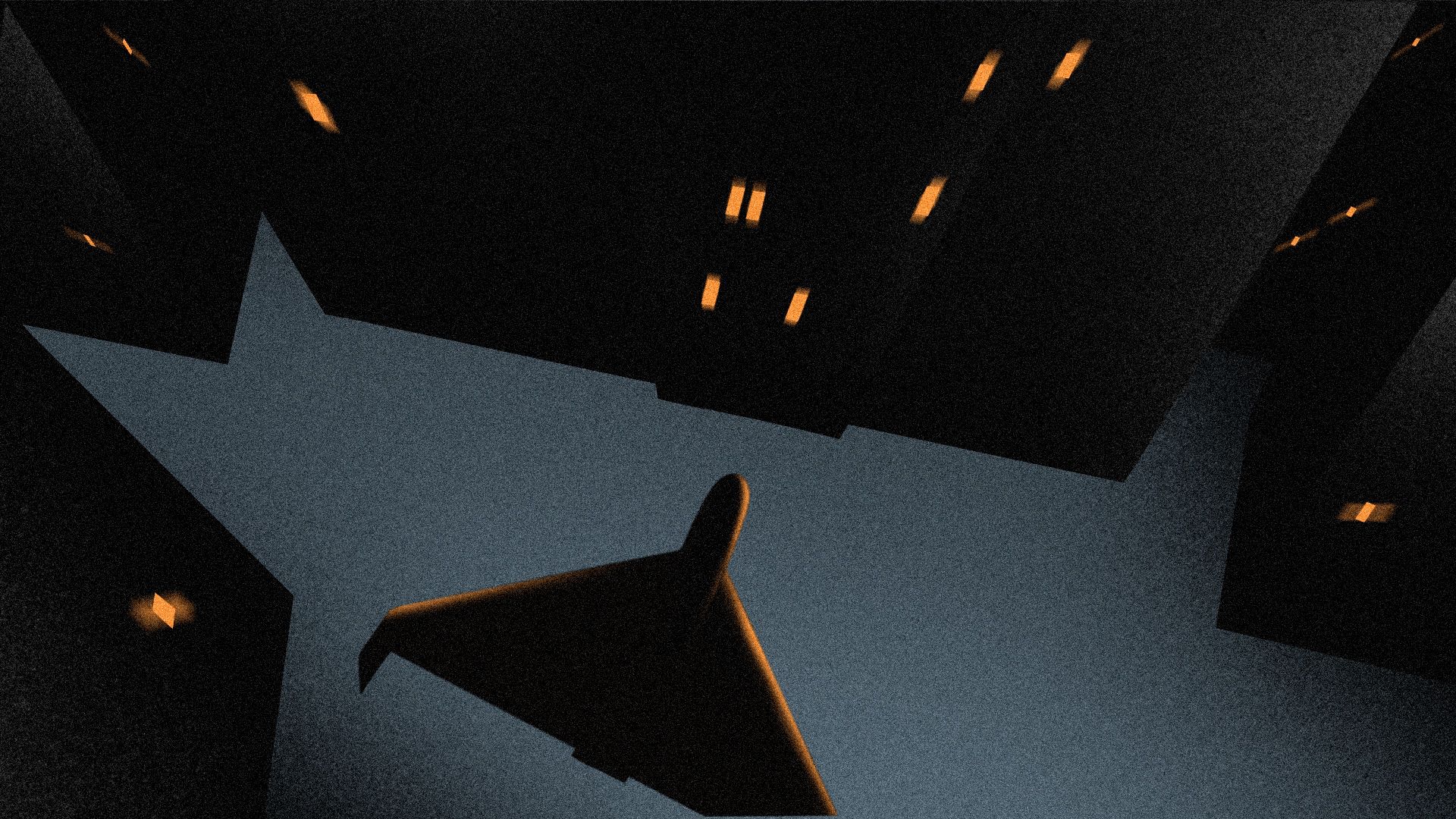
The measure would not eliminate the threat of Russian drones entirely, but it could curb the scale of what he called an "uncontrolled process" of SIM card sales.
"In Russia, SIM cards are typically sold with passports, but it is not hard to obtain them through criminals or homeless people," Beskrestnov said, adding that Russian forces primarily rely on new SIM cards.
Another potential way to limit the effectiveness of Russian FPV drones is to disable certain data transmission services. Yet Beskrestnov warned that such steps would be "painful" for the country as well.
Samuel Bendett, a UAV expert at the Center for Naval Analyses, said the growing use of such drones is directly linked to advances in commercial technology, particularly the expansion of LTE networks.
"We are not seeing a lot of these Russian UAVs, but we are likely to see them with increasing frequency," Bendett told the Kyiv Independent.
According to Bendett, a requirement to purchase SIM cards with a passport could affect the number of drones Russia is able to deploy. Yet Russian forces are also developing networked systems designed to ensure the drones can continue operating regardless of such restrictions, he added.
Retired Ukrainian officer and defense expert Viktor Kevliuk echoed Bendett’s position, saying that blocking commercial SIM cards would disrupt the control channels used to transmit telemetry, video and commands.
Requiring SIM cards to be sold with passports would also allow authorities to more quickly identify suspicious usage patterns, according to Kevliuk.
At the same time, Kevliuk noted that modern drones do not rely exclusively on mobile networks. They can operate via satellite links, fiber-optic systems, or autonomous radio channels.
read also
Alessandra Hay Tim Zadorozhnyy
Kevliuk added that Russian forces may also turn to alternative communication methods, including VPNs, illicit SIM cards and encrypted channels.
"All of this could negate the restrictions on SIM card sales," Kevliuk told the Kyiv Independent.
"It could be part of a comprehensive approach, but it does not solve the problem fundamentally. It is better to combine such an initiative with other security measures and countermeasures."
In early 2026, Ukrainian forces documented the first use of Russian Gerbera and Molniya drones as "mothership" platforms. In February, a similar tactic was recorded with the long-range Shahed-type drone, developed by Iran and mass-produced by Russia.
According to Kevliuk, deploying a "mothership" drone is more cost-effective, as drones are cheaper than missiles or aircraft and enable strikes to be carried out without significant risk to pilots.
The defense expert said the approach also allows Russian forces to more effectively employ swarm tactics, while manufacturers continue developing modules and operational concepts to improve coordination among different types of UAVs.
"This creates a more flexible and less vulnerable strike mechanism compared to single kamikaze or FPV drones, which have a shorter range," Kevliuk added.
Russian forces are using FPV drones carried by "mothership" UAVs to strike civilian targets and vehicles. The tactic has also fueled so-called "human safari," a brutal tactic in areas near the Russian border or Russian-occupied territories, where drones are increasingly deployed against civilians.