Ukraine war latest: Russian attacks kill 5 across Ukraine; Moscow seeks to disconnect Ukraine's nuclear power
 on Google
Key developments on Jan. 17-18:
- Russian attacks kill 5, injure 30 across Ukraine as Moscow again targets energy infrastructure
- Russia seeks to disconnect Ukraine's nuclear power plants, HUR says, risking potential meltdown
- 'Warmth from Poland' — More than $650,000 raised to buy generators for Kyiv amid energy crisis
- Russia welcomes Trump's tariffs on NATO allies over Greenland as 'collapse' of alliance
- Ukraine military chief says more arms, sanctions key as 'Coalition of the Willing' holds security guarantees talks
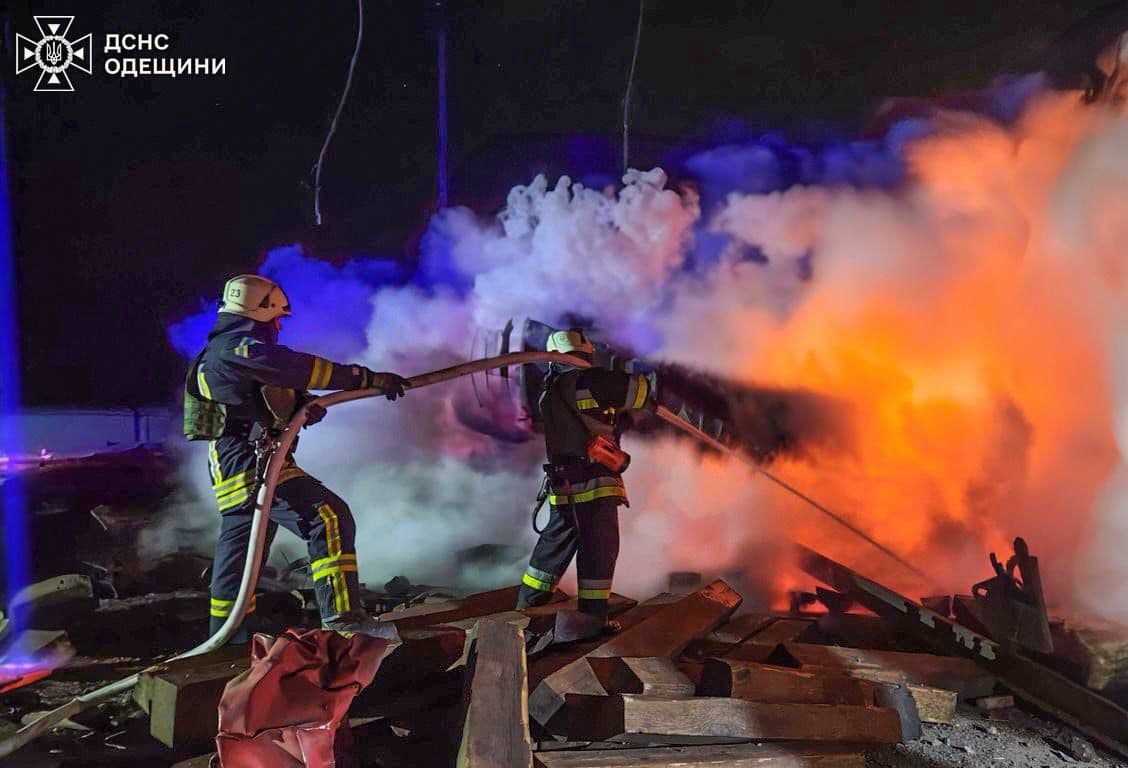
Russian attacks across Ukraine killed at least five civilians and injured at least 30 over the past day, regional authorities reported early on Jan. 18, as Russian forces again targeted energy infrastructure amid freezing winter conditions.
Ukraine is facing severe cold and ongoing disruptions to heat and electricity supplies following repeated attacks on the energy sector, which prompted a state of emergency earlier this week.
Ukraine's Air Force reported shooting down 167 out of 201 Russian drones overnight. Thirty drones struck 15 locations, while falling debris was recorded at two other sites.
Civilians were killed in Kharkiv and Kherson oblasts, while injuries were reported in several others including Chernihiv, Dnipropetrovsk, Sumy, Donetsk, and Zaporizhzhia oblasts.
In Odesa oblast, Russia targeted an energy facility as nighttime temperatures in the region dropped to -10 degrees Celsius (14 degrees Fahrenheit).
Russia seeks to disconnect Ukraine's nuclear power plants, HUR says, risking potential meltdown
Moscow is planning to strike substations connected to Ukraine's three active nuclear plants in western and southern Ukraine to completely disconnect the country from heat and power, Ukraine's military intelligence (HUR) warned on Jan. 17.
The warning comes as Ukrainians across the country are already grappling with limited power and heating as Russia decimates Ukraine's energy facilities. But disconnecting its nuclear power plants would take the crisis one step further — Ukrainians would be fully cut off from electricity and heating in subzero temperatures.
Russia's strategy is "to force Ukraine to accept unacceptable capitulation demands to end the war," HUR said. Already, the agency says Russia has conducted reconnaissance of ten critical energy substations in nine regions of Ukraine.
The recent mass attacks on energy facilities have prompted intervention from the UN's International Atomic Energy Agency (IAEA), which will send a team to assess 10 substations critical to nuclear safety, although it's not clear when.
The IAEA did not reply to the Kyiv Independent's inquiry at the time of publication.
"Russia is always trying to disconnect our nuclear plants, and it's really dangerous for nuclear safety, not only for Ukraine but for the whole of Europe," Vitaliy Zaichenko, the CEO of Ukrenergo, Ukraine's state grid operator, told the Kyiv Independent.
Electricity is needed at nuclear plants for safety reasons, such as powering reactor cooling systems. If an active plant is disconnected, it then relies on backup diesel generators to keep operating. If those generators fail, a nuclear meltdown can happen within hours.
While Russia hasn't directly targeted Ukraine's nuclear power plants, which are operated by state-owned firm Energoatom, it has damaged and destroyed most of Ukraine's other generation facilities, including thermal power and hydroelectric plants.
With most other generation facilities down, nuclear energy is the main source of electricity in Ukraine. If nuclear power is cut off, Ukraine will be unable to generate enough electricity to heat and power the country.

'Warmth from Poland' — More than $650,000 raised to buy generators for Kyiv amid energy crisis
A volunteer fundraising platform in Poland has raised 1.2 million Polish zloty ($330,000) to purchase generators for Kyiv, its organizers announced on Jan. 18, as Russian attacks on Ukraine's energy infrastructure continue amid freezing winter conditions.
Launched under the name "Warmth from Poland for Kyiv," the fundraiser initially set out to raise 400,000 zloty ($110,000) to purchase generators. After quickly hitting that target, organizers raised the goal to 2 million zloty ($550,000) — a figure that has since been surpassed, with donations now exceeding 2.4 million zloty.
"The response of Poles has exceeded our expectations," the organizers said. "You have shown that you care about the fate of your neighbors. We can do much more than we planned."
Organizers said the funds will help residents facing extreme conditions in Kyiv.
"People are staying in unheated apartments and basements," they said. "Lack of electricity means no way to cook a hot meal, discharged phones, and loss of contact with loved ones during attacks."
The initiative is organized jointly with several civic groups, including Euromaidan-Warsaw, the Democracy Foundation, Sestry.eu, the Open Dialogue Foundation, the PRB Foundation, and the Entrepreneurs Help initiative.
Ukraine's Ambassador to Poland Vasyl Bodnar welcomed the effort, thanking Polish donors for their support. He said the assistance is "important" and "truly saving human lives" amid the ongoing energy crisis.
Russia welcomes Trump's tariffs on NATO allies over Greenland as 'collapse' of alliance
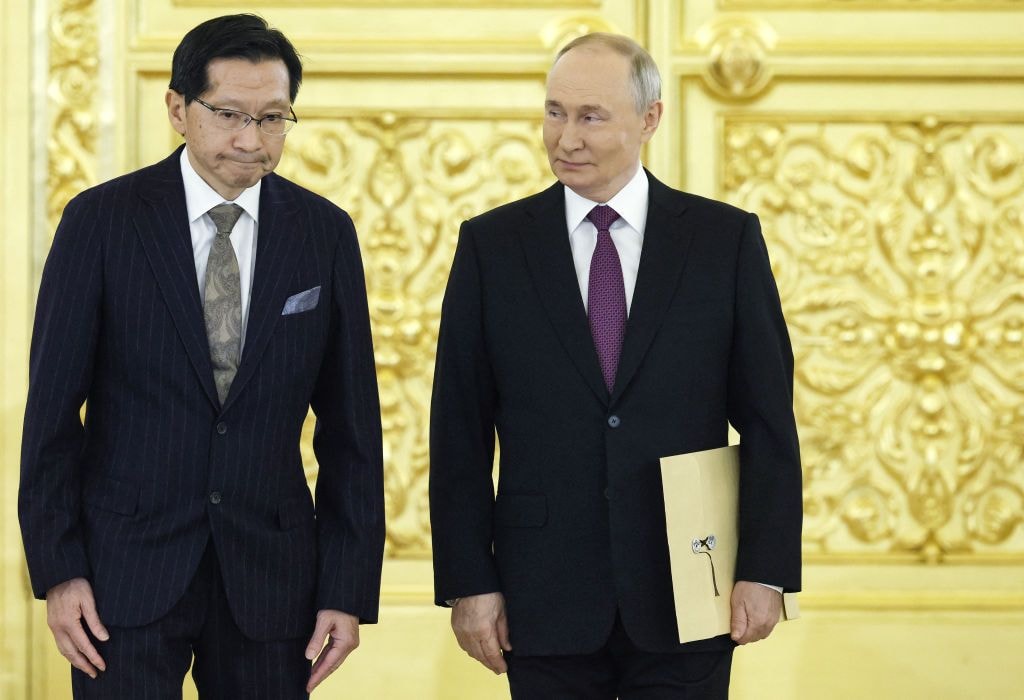
Russian officials welcomed U.S. President Donald Trump's threat to impose tariffs on NATO allies over Greenland, with Kremlin economic negotiator Kirill Dmitriev claiming on Jan. 17 that the move signals the "collapse" of the transatlantic alliance.
Trump earlier said that Washington would impose 10% tariffs on NATO allies — France, Sweden, Denmark, Norway, Germany, the U.K., the Netherlands, and Finland — until the U.S. reaches a deal to buy Greenland. He has threatened to acquire the island "one way or the other."
"The transatlantic alliance is over," Dmitriev wrote on X, mocking European Commission President Ursula von der Leyen and urging European leaders not to "provoke" Trump.
The tariffs will take effect on Feb. 1 and increase to 25% on June 1, Trump said. He threatened the tariffs just days after European forces from France, Germany, and other countries began arriving for exercises in Greenland.
Former Russian President Dmitry Medvedev, known for provocative outbursts, also welcomed Trump's rhetoric, framing it as evidence of deepening divisions within NATO.
"The U.S. is preparing to attack Greenland, choosing the island itself rather than some kind of Atlantic solidarity," Medvedev said, adding that European countries would be "punished with tariffs" for relying on U.S. protection.
Medvedev has previously mocked Western unity and urged Trump to move quickly to annex Greenland, reflecting Moscow's interest in exploiting rifts among the U.S. and its allies.
Greenland, home to about 56,000 people, already hosts a U.S. military base and has grown in strategic importance as Arctic competition intensifies.
Several EU countries have publicly backed Denmark since Trump renewed his threats, signaling alarm in Europe over the potential consequences for NATO cohesion.
Trump has insisted that NATO would become "more formidable and effective" if Greenland were under U.S. control, a claim European leaders have rejected.
Cyprus, which currently holds the EU's rotating presidency, announced that EU ambassadors will hold an emergency meeting on Jan. 18 to assess the situation and discuss a response.
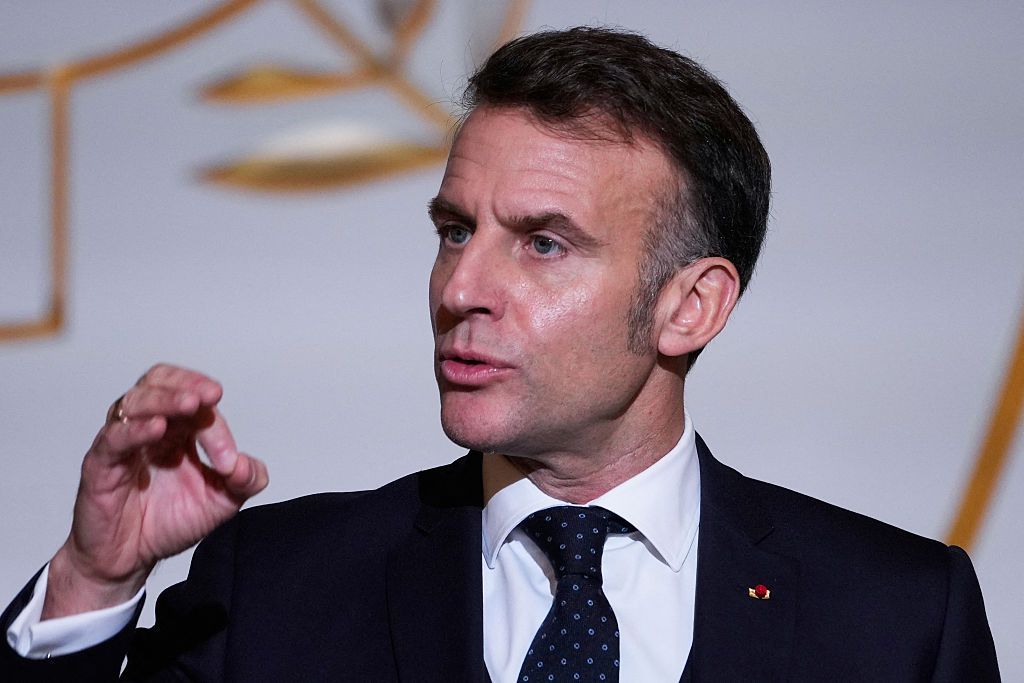
Ukraine military chief says more arms, sanctions key as 'Coalition of the Willing' holds security guarantees talks
The "Coalition of the Willing" held an online meeting at the level of armed forces commanders-in-chief to discuss security guarantees for Ukraine, Commander-in-Chief Oleksandr Syrskyi said on Jan. 18.
President Volodymyr Zelensky has argued that any peace deal must be backed by binding security guarantees, cautioning that without them Russia could renew its aggression against Ukraine.
Syrskyi told participants that Russia shows no readiness to end the war and continues its "terror" against civilians in Ukraine, pointing to strikes on energy infrastructure during severe winter weather.
The attacks have disrupted heat and electricity supplies nationwide, prompting the Ukrainian president to declare a state of emergency in the country's energy sector.
"I emphasized the importance of further strengthening sanctions pressure on Russia so that the cost of the war becomes prohibitive," Syrskyi said, adding that allies must also deepen cooperation to boost defense-industrial capacity and military capabilities across Europe.
The talks also focused on sustaining military aid to Ukraine, which Syrskyi described as essential for maintaining combat effectiveness and inflicting "significant losses" on Russian forces.
Representatives from France, the United Kingdom, NATO, and the EU took part in the meeting, Syrskyi said, without disclosing the total number of participants.
Zelensky said on Jan. 12 that he had instructed Ukraine's negotiating team to finalize a security guarantees document with the United States and submit it for review "at the highest level."
The Coalition of the Willing is expected to deploy a peacekeeping force to Ukraine after a ceasefire.
Note from the author:
Ukraine War Latest is put together by the Kyiv Independent news desk team, who keep you informed 24 hours a day, seven days a week. If you value our work and want to ensure we have the resources to continue, join the Kyiv Independent community.