Ukraine preparing 'key changes' to mobilization, AWOL policy, defense minister says after meeting infantrymen
 on Google
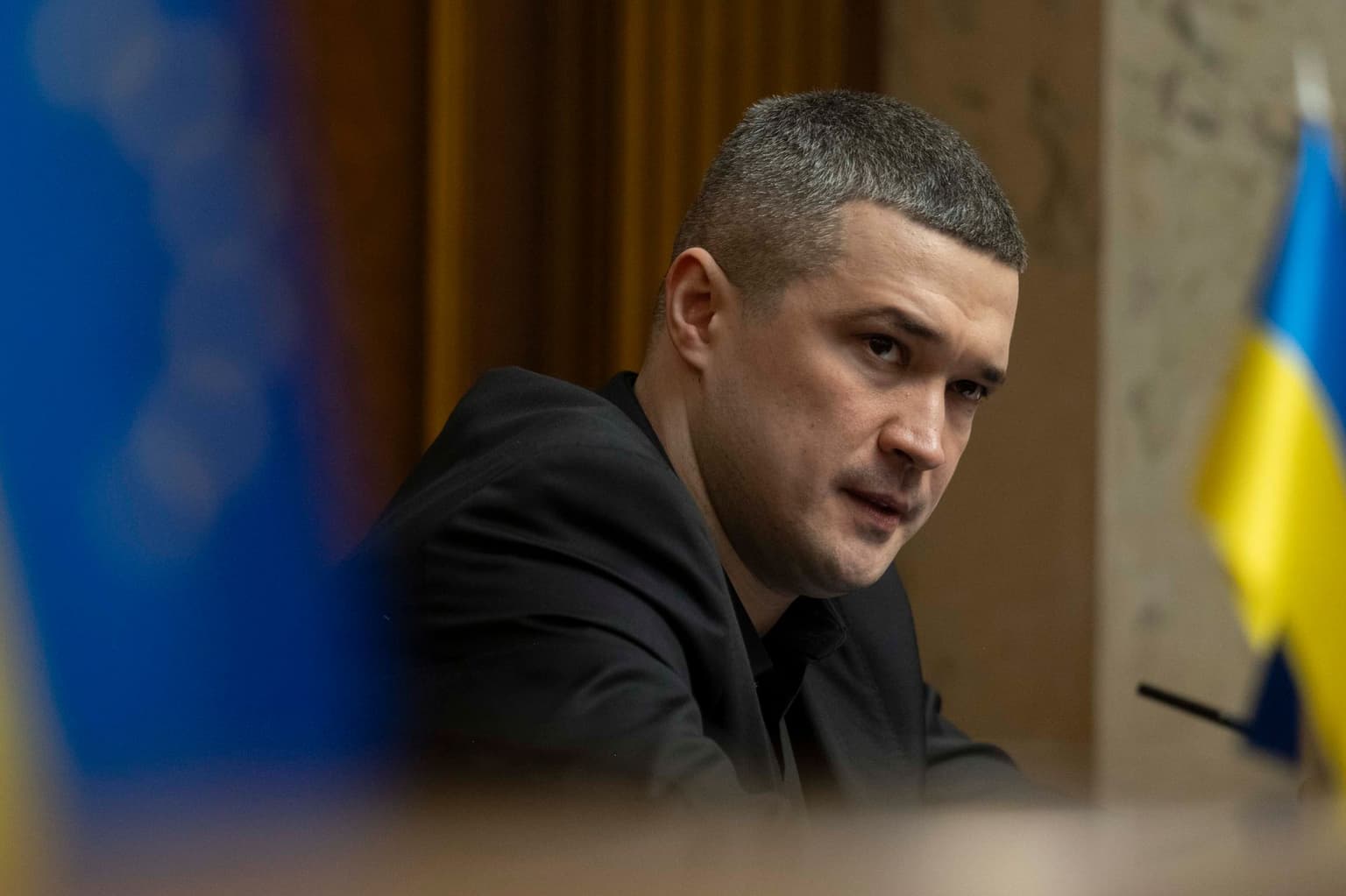
Ukraine is preparing "key changes" to both mobilization and the prevention of soldiers going AWOL in an effort to address the military's chronic manpower shortage and better resist Russia's war on the front line, Defense Minister Mykhailo Fedorov said on March 25.
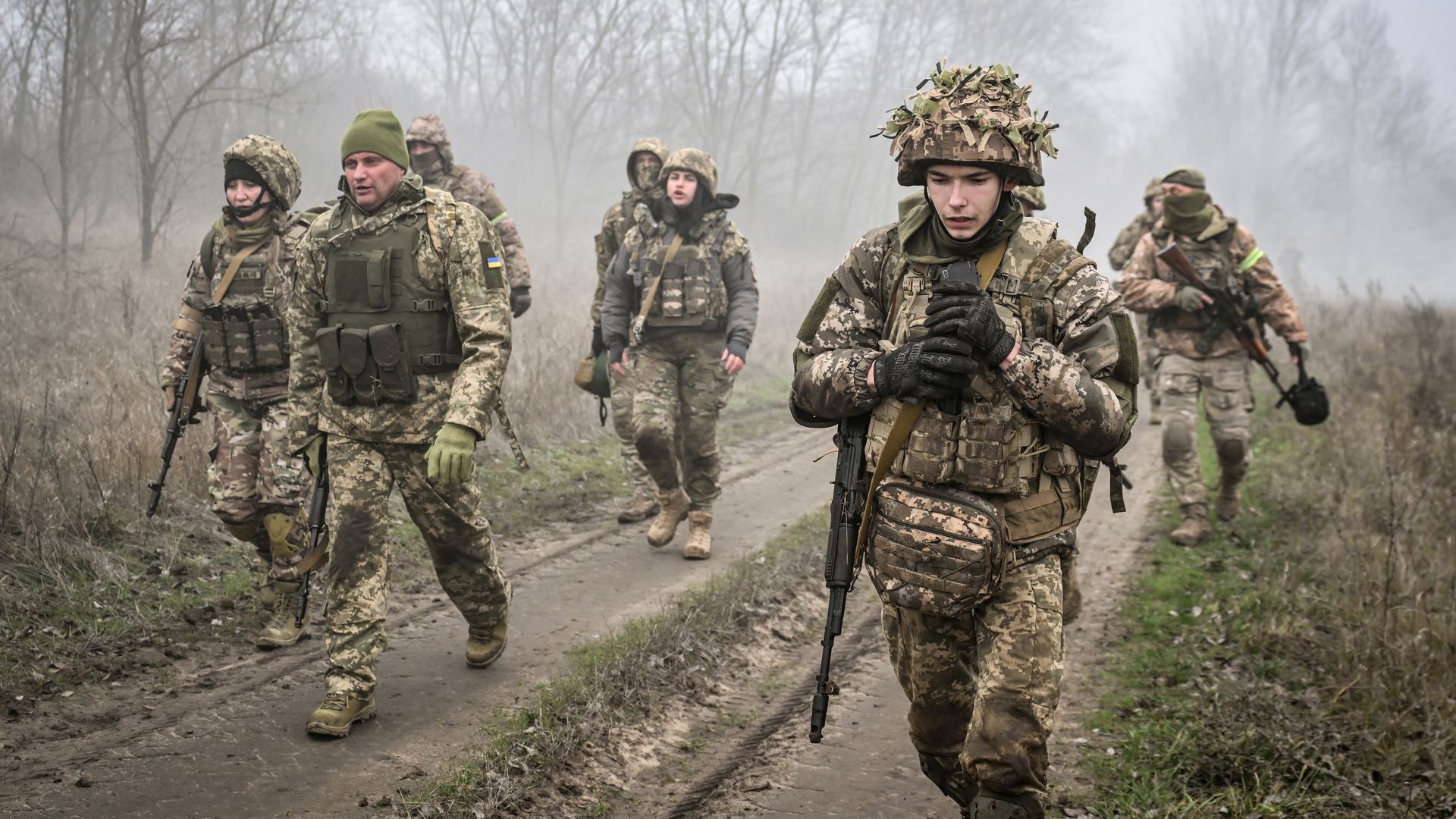
The announcement came after Fedorov met with assault soldiers and infantrymen from 13 different units fighting across the front line, he wrote on Facebook.
"We discussed the real situation at the front and recorded problematic issues;" Fedorov wrote, "the duration of stay in positions, the complexity of entries and exits, complicated logistics under constant drone attacks, shortage of people, the quality of training of servicemen, provision of drones and necessary equipment, morale and communication on the front line."
The meeting represents a rare exchange between Ukraine's top defense leadership and the rank and file infantry, mostly mobilized troops who face more gruelling and deadly conditions on the front line with every passing month.
As Russia's full-scale war against Ukraine enters its fifth year, manpower continues to be the most pressing issue for Kyiv.
While Russia continues to be able to recruit tens of thousands of soldiers voluntarily through lucrative sign-up bonuses, Ukraine's ongoing forced mobilization — a necessity in an existential war — has put increased pressure on state and society internally.
Falling motivation among draftees, exacerbated by shortcomings in the mobilization and training process, as well as in the units themselves, has led to surging AWOL and desertion rates over 2025, according to figures published by the Prosecutor General's Office.
In the changing environment of the drone-saturated battlefield, soldiers serving in the infantry — almost all forcefully mobilized at this stage of the war — are often forced to spend months at a time on combat positions, as rotations are made impossible both by Russian drone control logistics routes, and by the lack of infantrymen ready to replace them.
According to Fedorov, new solutions would also be introduced specifically for infantrymen, concerning set periods of service and special financial incentives.
The problem is exacerbated by Ukraine's command culture, often described as "Soviet-style," which often pressures field commanders into holding and taking back positions at any cost, as well as cannibalizing their own unit's artillery and logistics staff to replenish empty ranks of infantry.
Fedorov's announcement comes amid a broader shift towards strategic planning and data-driven decision-making introduced since assuming the post in January.
On March 2, the Defense Ministry announced a comprehensive audit of battlefield losses, aiming to "identify key problems and make management decisions to resolve them systematically."