UK, France, Germany to move forward with using Russian assets to aid Ukraine
 on Google
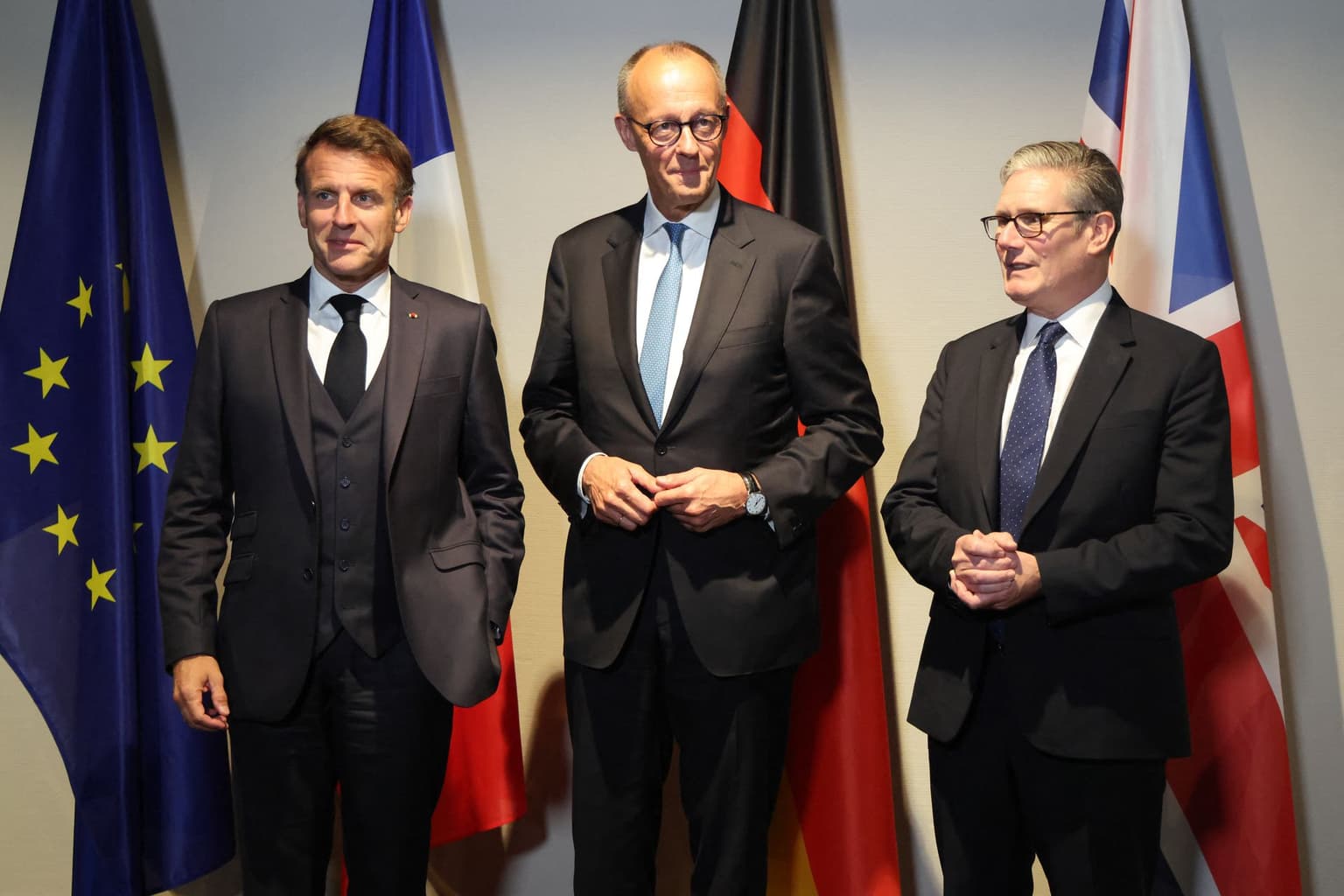
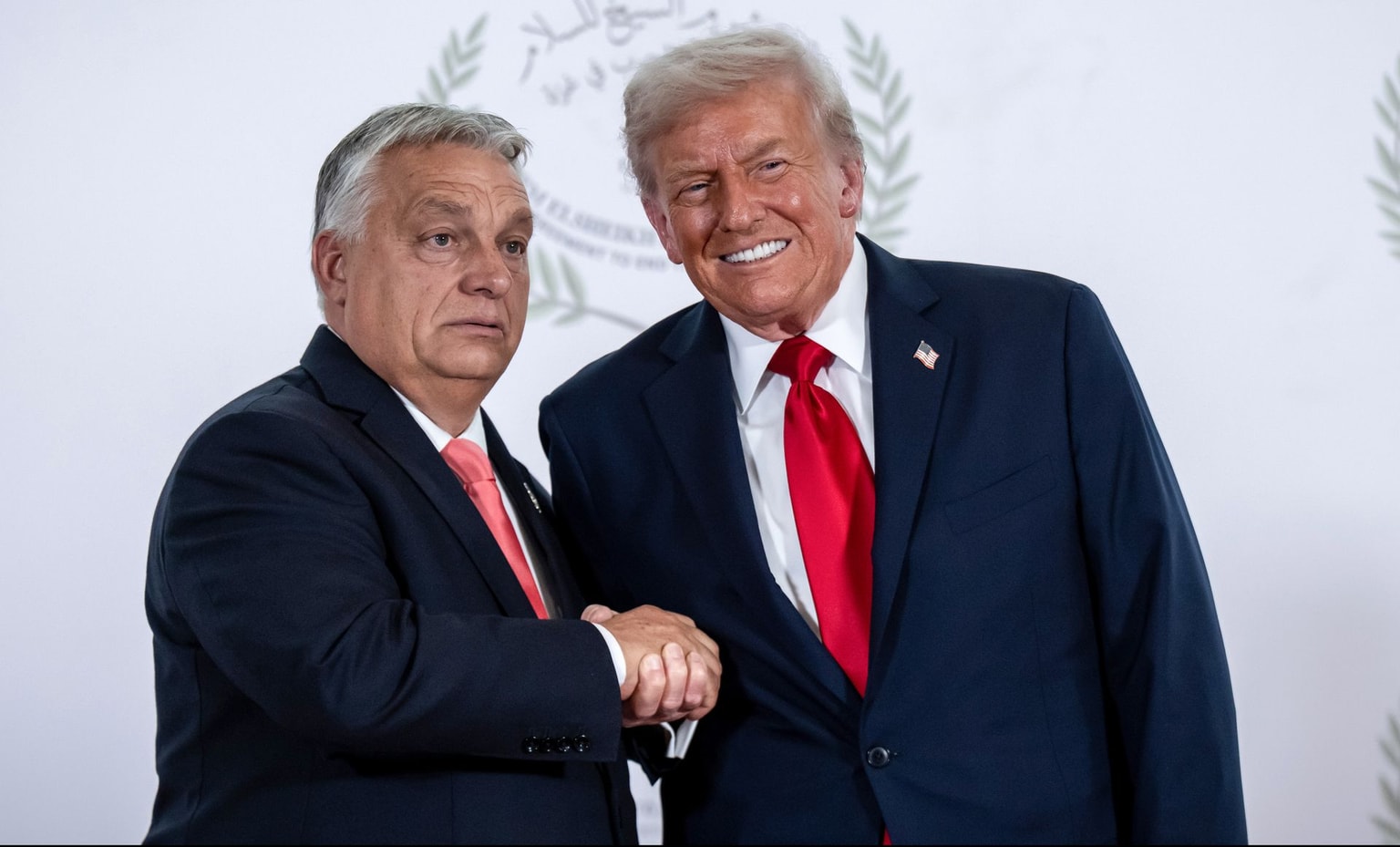
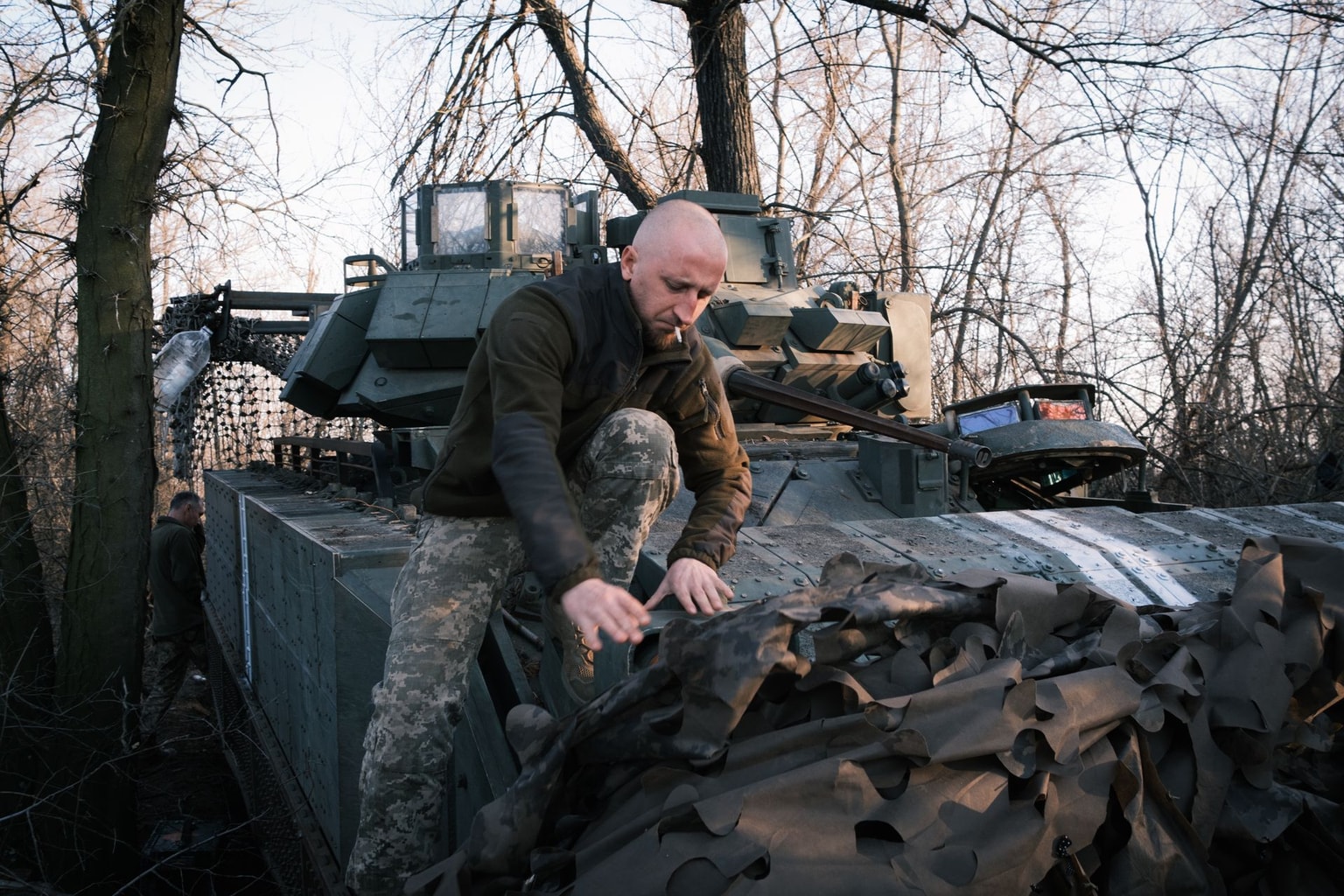
The leaders of the U.K., France, and Germany agreed in a phone call on Oct. 10 to move jointly toward using frozen Russian assets to help fund the Ukrainian Armed Forces.
The push, which the three leading European powers seek to coordinate with the U.S., is aimed at pressuring Russia to end its full-scale war on Ukraine.
Kyiv's Western allies and other partners immobilized approximately $300 billion in Russian central bank assets at the outbreak of the invasion in 2022, with roughly two-thirds of the assets held in Europe.
Calls to use them to fund Ukraine's defense have grown louder as Kyiv faces a $65 billion external budget gap for the years 2026–2029.
"We agree to develop further bold and innovative mechanisms to increase the cost of Russia's war and ramp up pressure," the British government said in a statement.
This strategy will include additional steps against Russia's shadow fleet, a group of aging tankers Moscow uses to avoid sanctions and for other subversive activities.
"We will increase pressure on Russia as President (Vladimir) Putin continues his stalling tactics and abhorrent attacks in response to peace talks," the statement read.
U.K. Prime Minister Keir Starmer, French President Emmanuel Macron, and German Chancellor Friedrich Merz also condemned recent Russian attacks on Ukraine's energy grid and pledged to continue supporting Ukraine through the coalition of the willing.
Ukraine is already receiving funds generated by immobilized Russian assets via the G7's $50 billion Extraordinary Revenue Acceleration (ERA) loan.
As Kyiv faces a budget shortfall and war-related costs continue to mount, the EU has proposed utilizing Russian assets to also fund a new reparations loan.
The proposal, which would stop short of confiscating Russian assets outright, would provide Ukraine with at least 140 billion euros ($160 billion), to be repaid only once Moscow agrees to pay war reparations.