Trump postpones strikes on Iran's energy sites, claims progress in talks
 on Google
Editor's note: The story has been updated with additional details.
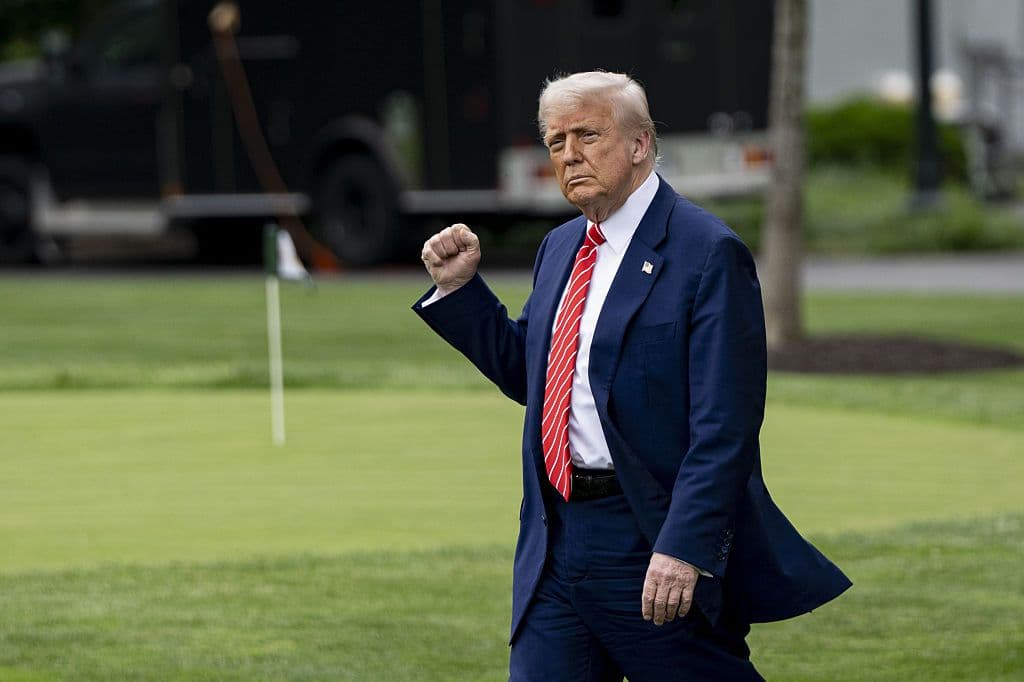
Washington is holding off attacks against Iranian energy facilities for five days following "productive" talks with Iran on ending hostilities in the Middle East, U.S. President Donald Trump said on March 23.
The statement comes after Trump threatened to "obliterate" Iran's power plants unless Tehran reopens the Strait of Hormuz — a maritime chokepoint through which roughly one-fifth of the world's oil supply flows — within 48 hours.
After "very good and productive conversations" with Iran in the last two days, Trump said he had ordered the Pentagon to postpone the attacks, pending the outcome of the ongoing discussions this week.
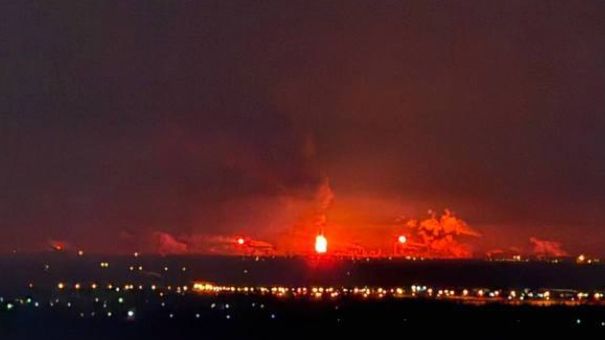
The U.S.-Israeli aerial campaign against Iran, now in its fourth week, has prompted widespread Iranian retaliatory strikes across the Middle East and driven a global surge in energy prices.
Iran responded to Trump's initial threats by warning it would strike energy infrastructure in the region. Tehran also threatened to mine the Persian Gulf should the U.S. or Israel attempt to attack Iranian coasts or islands.
Trump has told Fox Business Network that Tehran is ready to make a deal, which could be concluded within five days.
"We have had very, very strong talks. We'll see where they lead. We have major points of agreement, I would say, almost all points of agreement," Trump told reporters in separate comments at a Florida airport.
"They're not going to have nuclear weapons anymore. They're agreeing to that."
According to the president, his son-in-law, Jared Kushner, and Special Envoy Steve Witkoff held negotiations with Tehran on March 22.
An undisclosed Iranian official source denied talks with the U.S., suggesting that Trump backed off due to fears of Iran's military retaliation and market pressures, state-affiliated Tasnim news agency reported.
The Iranian Foreign Ministry has also refuted Trump's claims about talks with Washington taking place, according to CBS News.


When asked whether the potential U.S. strikes on Iranian energy facilities resemble Russian tactics used in Ukraine, Trump said the situations are "a lot different."
"I'm not a fan of what Russia is doing either," the U.S. president said. "But it's a lot different. You're talking about a country that has been evil for 47 years. They've been horrible," he said, in reference to Iran.
Moscow has targeted Ukraine's energy grid with drones and missiles throughout the full-scale war, most recently escalating its campaign over the last winter.
Iran has played a significant role in supporting Russian aerial attacks on Ukrainian cities and infrastructure, providing Shahed strike drones and helping Moscow mass-produce its own offshoots called "Geran."
Drawing on its experience in countering Iranian-designed drones, Kyiv has dispatched its experts to the Middle East to help strengthen local defenses, though Trump has publicly dismissed Ukraine's offer of assistance.
As the conflict in the Middle East continues, some observers worry about its potential impacts in the Russia-Ukraine war.
The surge in oil prices is seen as a major boon for the Russian economy, as Moscow's ability to sustain its war effort in Ukraine is tied to its fossil fuel export revenues.
Market instability has also led the U.S. to ease sanctions on Russian oil, even as Kyiv urges increased economic pressure on Moscow amid the ongoing all-out invasion.