Trump announces two-week conditional ceasefire with Iran after initially threatening massive attack
 on Google
Editor's note: This is a developing story and is being updated.
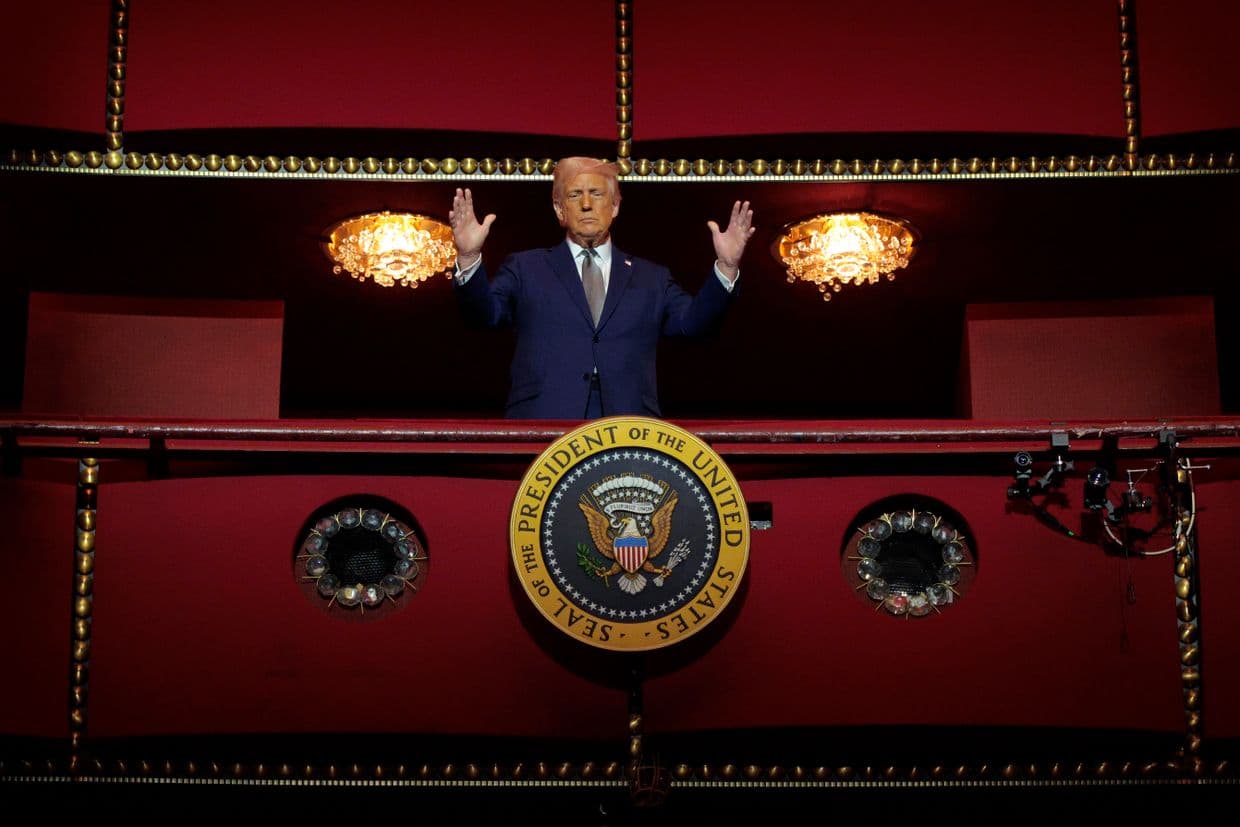
U.S. President Donald Trump said on April 7 that he has agreed to pause planned military strikes on Iran for two weeks, conditional upon the full and immediate reopening of the Strait of Hormuz.
The announcement followed earlier remarks the same day in which Trump warned that a “whole civilization will die tonight” if Iran failed to meet his 8 p.m. deadline, while threatening strikes on bridges, power plants, and other civilian infrastructure before signaling a pullback.
“Subject to the Islamic Republic of Iran agreeing to the COMPLETE, IMMEDIATE, and SAFE OPENING of the Strait of Hormuz, I agree to suspend the bombing and attack of Iran for a period of two weeks,” Trump wrote.
Trump said the pause would depend on a double-sided ceasefire, emphasizing that both sides must adhere to the agreement.
Following the U.S. president's announcement, an Israeli source familiar with the matter told CNN that Israel will abide by the ceasefire.
In announcing the ceasefire, Trump argued that the U.S. has already achieved its key military objectives and is now focused on securing a long-term settlement.
According to Trump, Iran has submitted a 10-point proposal that he considers a viable basis for negotiations, with most major issues already resolved. He added that the two-week window is intended to finalize a broader agreement between the two sides.
Iran’s Supreme National Security Council confirmed the Pakistan-brokered ceasefire, describing it as a victory for Tehran and saying further talks on a permanent deal would take place in Islamabad.
In a statement posted on X, Iranian Foreign Minister Seyed Abbas Araghchi confirmed that Iran will coordinate the "safe passage through the Strait of Hormuz" for the duration of the two week ceasefire if attacks on Iran are halted.
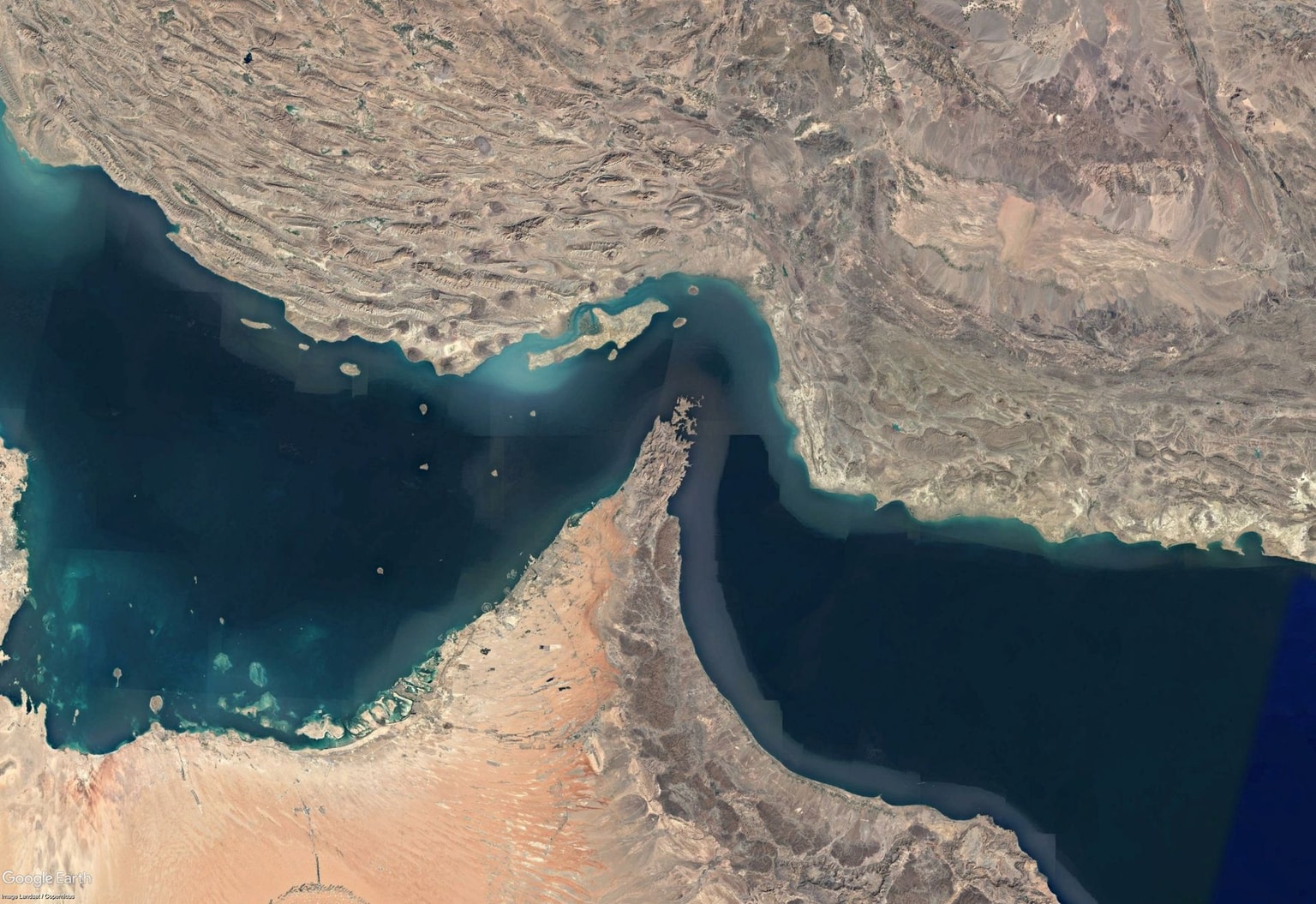
The U.S.-Iran war, ongoing for over a month, has led to the closure of the Strait of Hormuz — a key waterway through which nearly 20% of the world's oil transits — and driven a global surge in fuel prices.