Thousands gather for Kyiv's largest Pride march since start of full-scale war
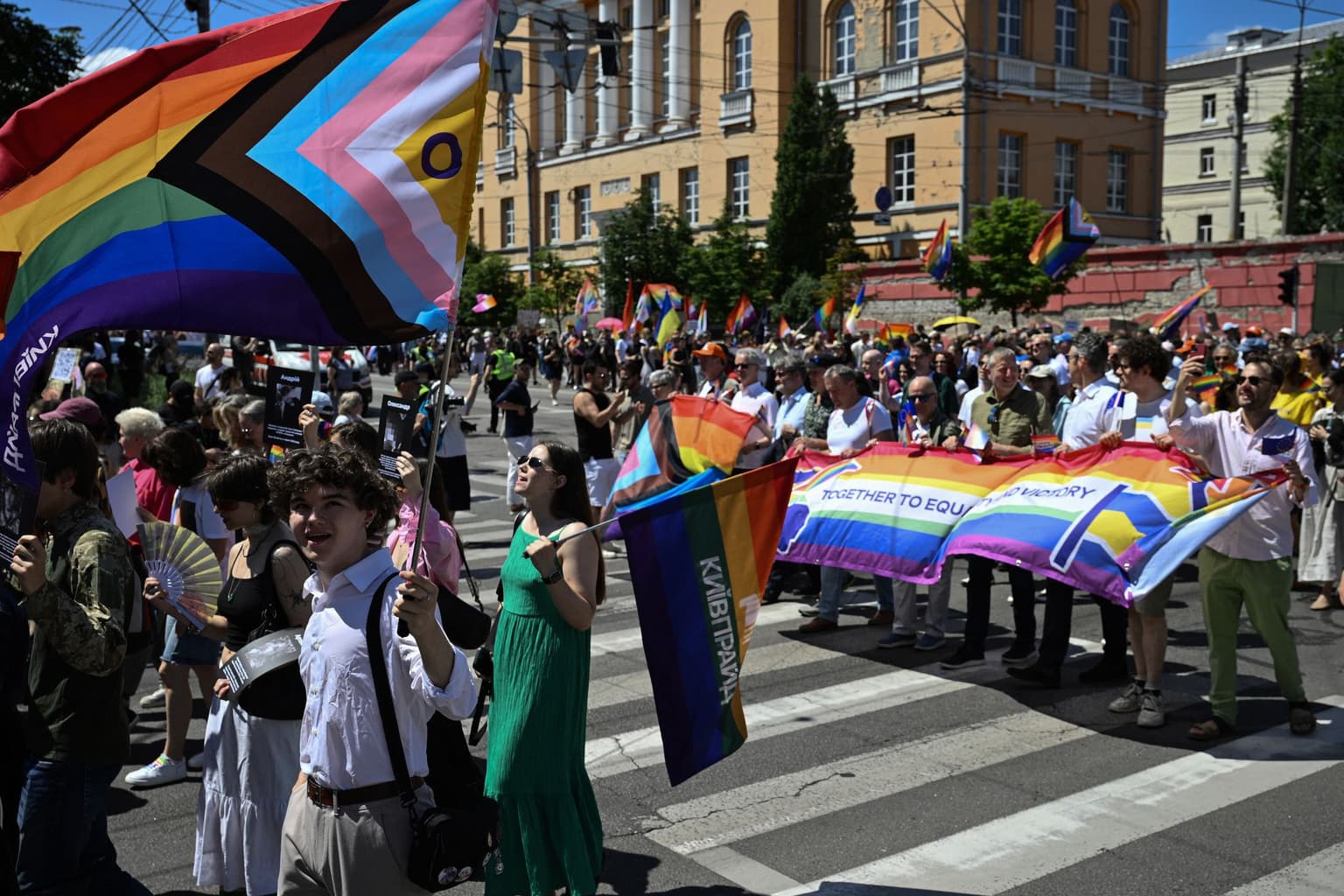
A demonstrator holds an Intersex-inclusive pride flag during the Pride march, a rally in support of the rights of the LGBTQ+ community, in Kyiv, Ukraine, on June 21, 2026. (Genya Savilov/AFP via Getty Images)
 on Google
Some 5,000 people joined the annual Pride March in Kyiv on June 21, marking it the largest turnout since the start of Russia's full-scale war, according to organizers.
Pride marches have been held in Kyiv almost every year since 2013. The recent march marked the 10th Pride overall and the third since Russia's full-scale war began in February 2022.
"The march united LGBTQ+ people, military, veterans and veterans, human rights activists, diplomats, public organizations, and allies and community allies from across Ukraine," organizer KyivPride said in a statement on Facebook.
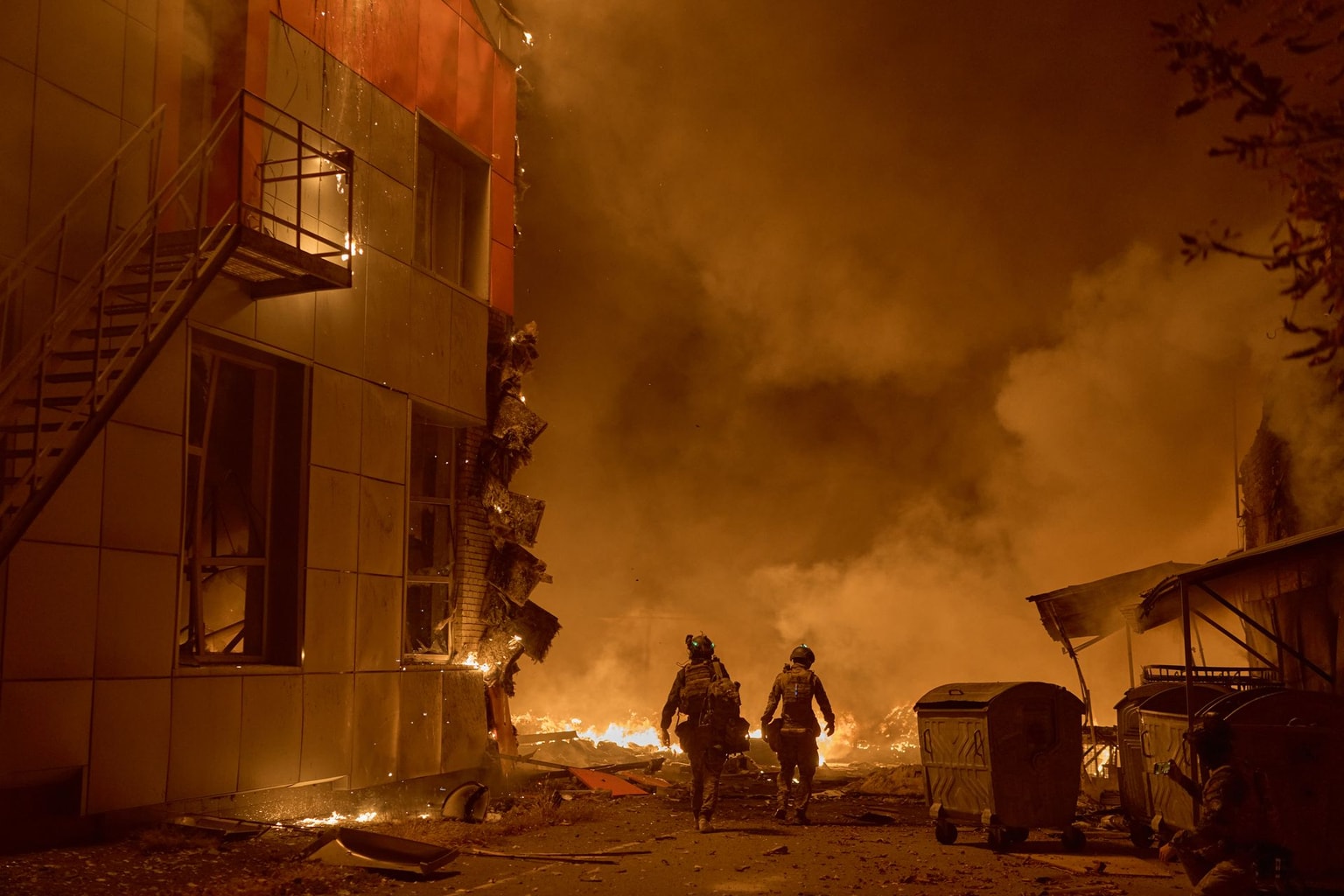
The march lasted two hours and concluded as Russia was carrying out a drone attack on Kyiv.
Earlier in the day, ahead of the Pride march, a counter-demonstration took place in Kyiv. It brought together supporters of so-called "traditional family values" and far-right activists.
"God created us so that there would be families and children would be born," said Serhii Ponomarenko, 43, who attended the march with his family.
"I don't support (the improvement of the LGBTQ+ community rights). Neither the church nor God supports it. What will Ukraine be born from next?"


While public support for LGBTQ+ rights in Ukraine has increased, the community continues to face frequent threats and violence, particularly from far-right groups. A 2024 poll by the Kyiv International Institute of Sociology found that over 70% of Ukrainians believe LGBTQ+ people should have the same rights as others.
In the lead-up to the marches, Kyiv city authorities issued a statement calling on participants to be respectful and refrain from aggressive behavior.
"The fact that various public events can take place simultaneously in Kyiv, and their participants feel safe, is an important manifestation of this freedom and mutual respect," the statement said.
Kyiv police reported on June 21 that both events took place without any major incidents.
Among those present at the pride were diplomats, including representatives of foreign embassies in Ukraine.
"I think it's important to stand with Ukraine. Ukraine wants equality, Ukraine is fighting very seriously on the front line, and there are members of the LGBTQ community fighting on the front line. They want the same rights as everyone else," Natalka Cmoc, Canada's ambassador to Ukraine, told the Kyiv Independent.
"Basically, it's about love. People who love each other should have the right to be together that is going to be part of the European Union. So if Ukraine wants to be part of the European Union, this is what they do."

The organizers called on the Ukrainian government to recognize LGBTIQ+ families, amid a push from the country's parliament to approve a new Civil Code.
The code, which defines marriage as only a union between a man and a woman, sparked criticism from civil society in April after the parliament approved an initial draft law.
The organizers also called on the government to harmonize Ukrainian legislation with European equality standards, including the recognition of civil partnerships. Neither same-sex marriages nor civil partnerships are currently recognized by Ukrainian law.
A 31-year-old soldier with the call sign "Psikh" ("Psycho"), who was marching at the front of the column, said that the recognition of civil partnerships is his main concern. He said it would, among other things, allow partners to visit each other in the hospital, share property, and live as legally recognized partners.
"As a service member, it is very important to me that rights and partnerships are, above all, for all of Ukraine. Today I believe that everyone who came out is a person fighting for Ukraine's future, including for us," said the soldier who asked not to be named.
"Our path toward European integration is currently being heavily obstructed. But we are fighting for it, and people should know that LGBTQ+ people exist, there are many of them, and they serve in the army."