Over 1,000 buildings in Kyiv still without heat after Russian strikes amid freezing winter
 on Google
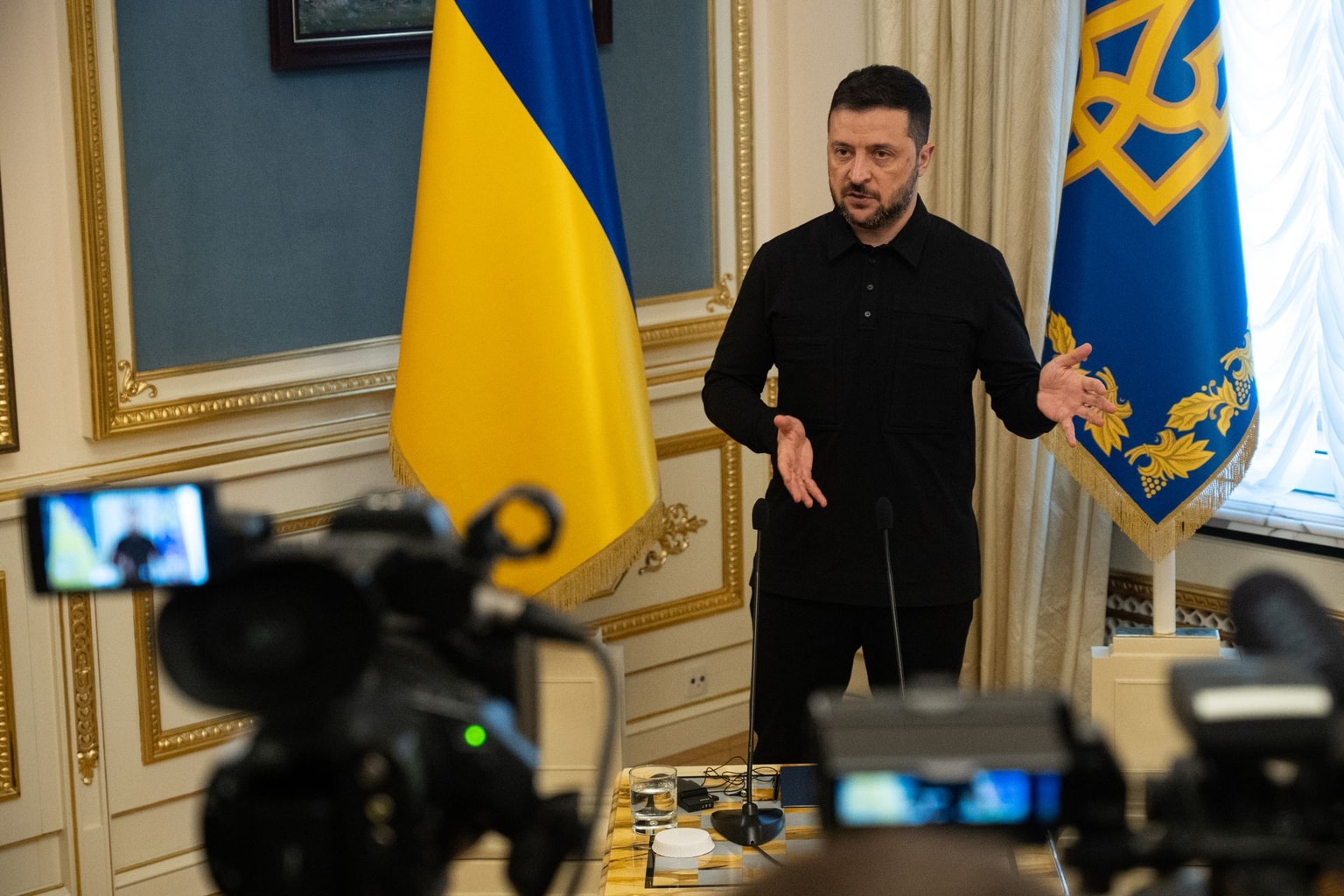
Kyiv's energy situation remains challenging and is expected to remain so in the coming days, Mayor Vitali Klitschko said on Jan. 11, underscoring the impact of Russian strikes on Ukrainian civilians.
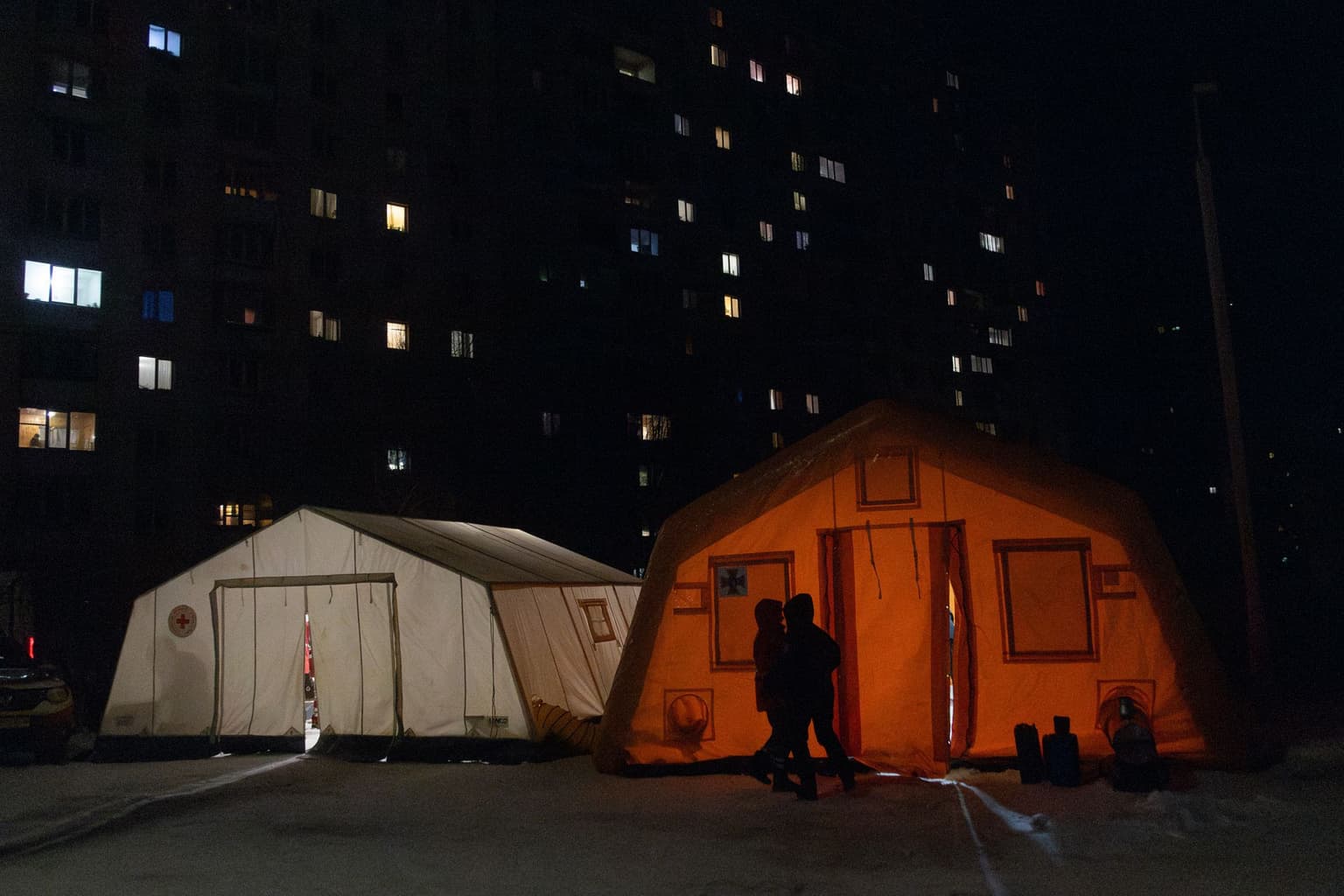
Over a thousand buildings in the capital remain without heat following the Russian mass attack on Ukraine overnight on Jan. 9.
In the immediate aftermath of the attack, heating was knocked out in about 6,000 apartment buildings across Kyiv, nearly half of the city's total, according to the mayor.
The water supply, which had been disrupted in some areas, has since then been restored to all residents, Klitschko said.
"However, the energy supply situation in the capital remains very difficult. Electricity is crucial for the operation of both heating and water supply systems," he added.
A Kyiv Independent journalist on the ground reports that the situation in the parts of the city east of the Dnipro River remains difficult, noting that electricity was available for only about 5 hours in total over the past 72 hours.


In one of Kyiv’s private clinics in the Pechersk district, the generator broke down after running nonstop for days due to blackouts. All of today’s appointments were moved to other branches, a local resident told The Kyiv Independent.
While efforts to restore power to residential buildings continue, Klitschko warned that the situation is expected to remain difficult, as freezing temperatures are forecast to persist in the coming days.
Prime Minister Yuliia Svyrydenko said that significant improvements in the energy supply situation are expected by Jan. 15.
"Due to objective reasons, planned and emergency power outages are currently in effect. Significant improvement in the situation in Kyiv will take time — we are aiming for Thursday," she wrote on her Telegram channel.
A massive Russian missile and drone strike overnight on Jan. 9 killed at least four people and injured 25 others in Kyiv and severely damaged the capital's critical infrastructure.
Deputy Energy Minister Mykola Kolisnyk said that the attack damaged heat generation and supply facilities in and around Kyiv, including thermal power plants and boiler infrastructure.
As of 2:12 p.m. local time on Jan. 11, all of Kyiv's boiler houses are operational, and heating has been restored in 85% of the affected residential buildings, said Oleksii Kuleba, the community and territories development minister.
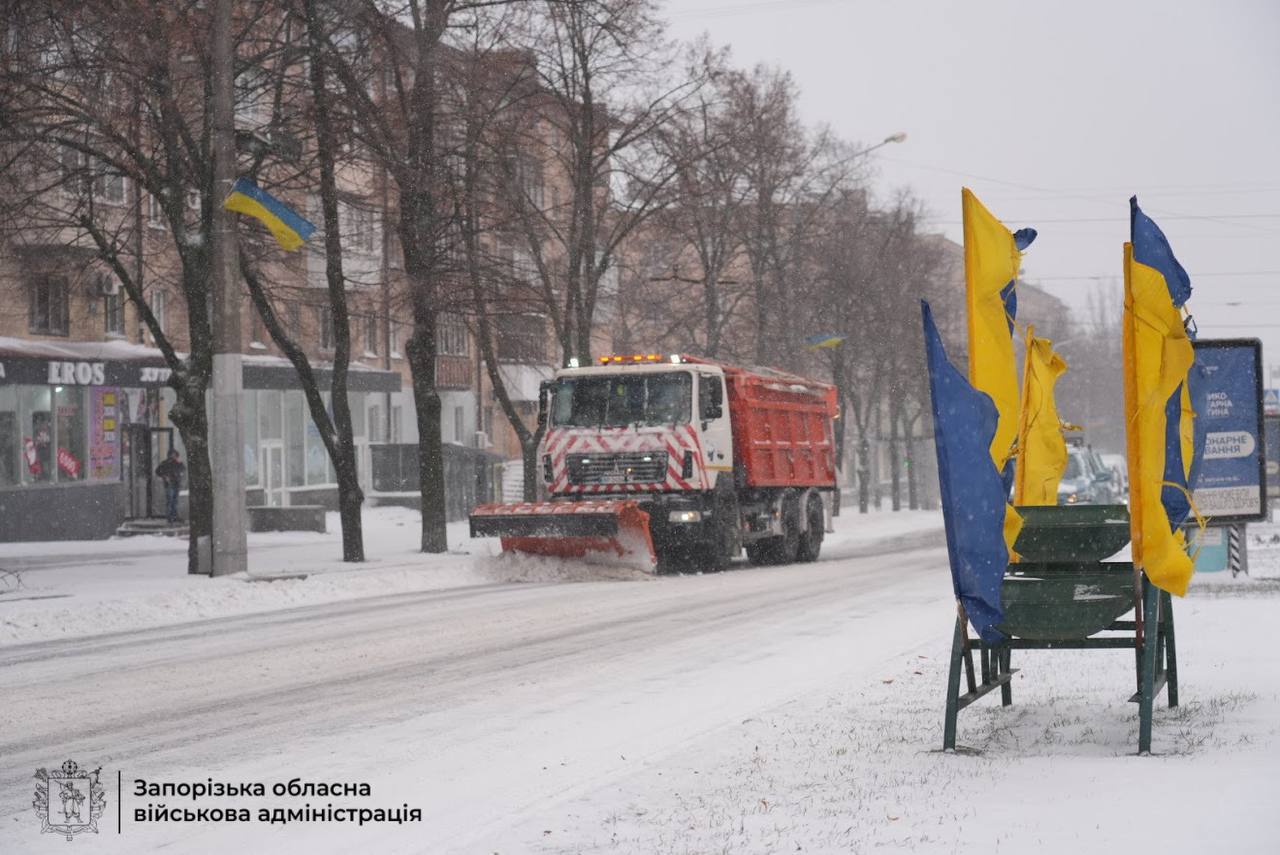
In recent days, Russia has targeted regional centers in the east and south of Ukraine, leaving Dnipropetrovsk and Zaporizhzhia oblasts without power on the evening of Jan. 7. New outages were reported in both regions overnight on Jan. 11.
Russian forces also targeted critical infrastructure in the western Lviv Oblast overnight on Jan. 9, launching the new Oreshnik intermediate-range ballistic missile.