'There cannot be business as usual with Russia' — Dutch minister urges Europe to step up for Ukraine
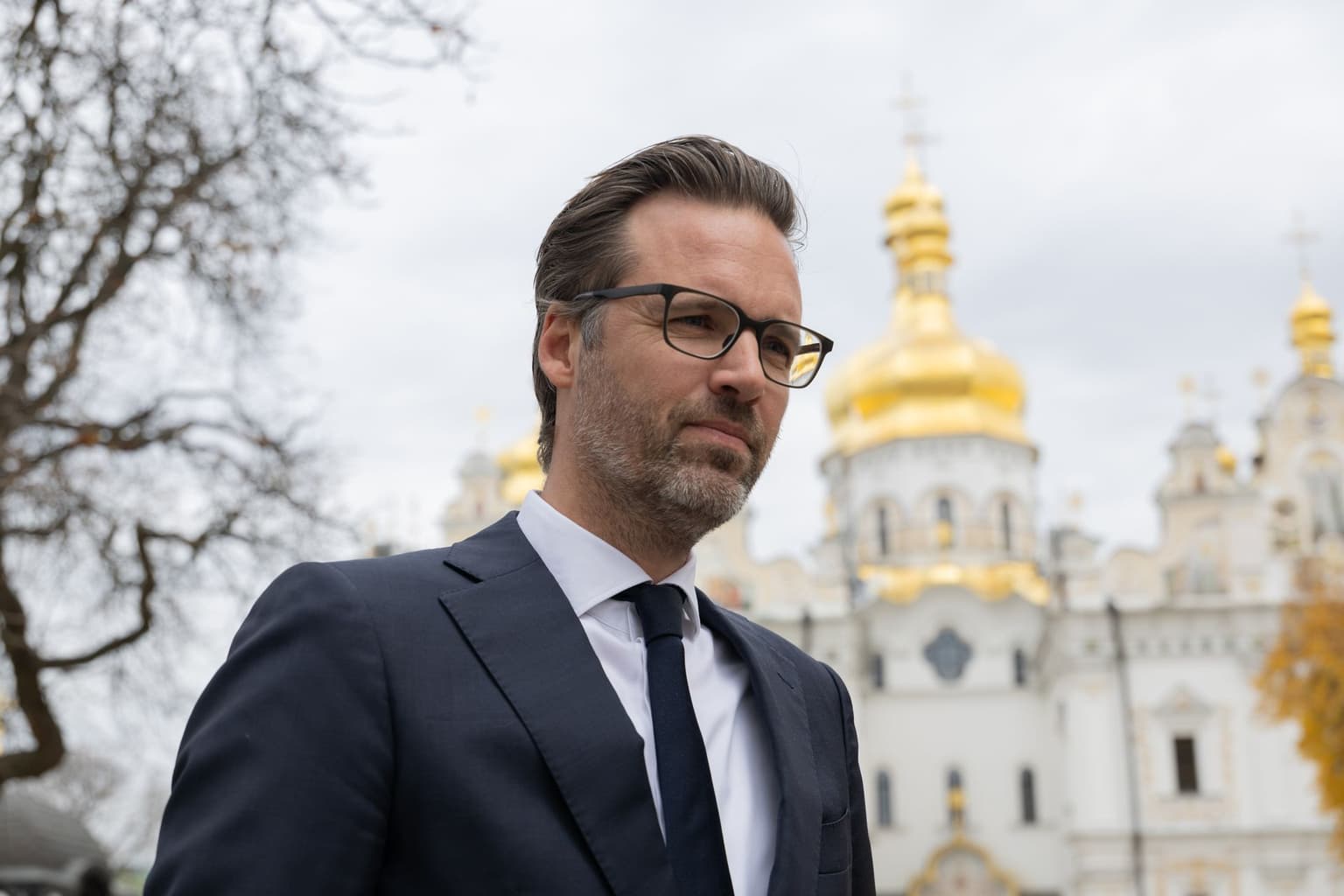
Sjoerd Sjoerdsma, the Dutch Minister of Foreign Trade and Development Cooperation, in Kyiv, Ukraine, on Oct. 28, 2026. (Handout / Tetiana Bulhakova)
 on Google
Ukraine is about to enter another harsh winter as Russian attacks continue crippling critical infrastructure, even before the coldest days set in.
In an attempt to relieve Kyiv, the Dutch government on Oct. 28 outlined a package of non-military aid worth 1.2 billion euros ($1.3 billion), to be disbursed over the next three years and directed toward the country's economic recovery.
The Netherlands will also provide 40 million euros ($45 million) to the Ukraine Energy Support Fund, as well as 55 million euros ($62 million) to fund energy equipment from Dutch companies via the Netherlands Enterprise Agency.
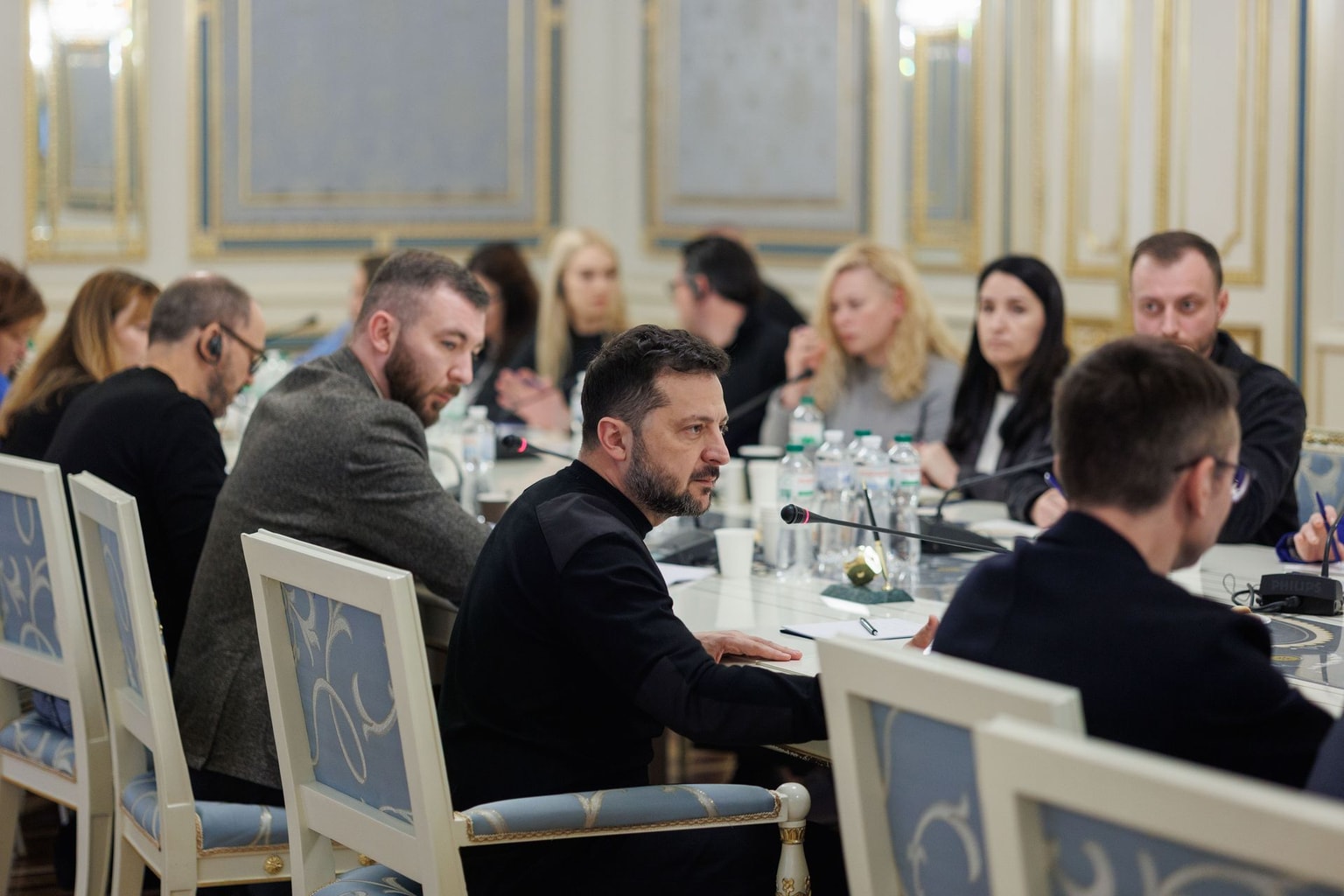
The Kyiv Independent walked through central Kyiv with Sjoerd Sjoerdsma, the Netherlands' minister for foreign trade, to discuss how Europe can help Ukraine withstand mounting pressure on its energy and water infrastructure amid ongoing Russian attacks.
Sjoerdsma explained the benefits of investing in Ukraine and commented on some countries' willingness to do business with Russia as its full-scale invasion of Ukraine continues.
The minister added that the EU must play a bigger political role in discussing how Russia’s war should end.
This interview has been edited for length and clarity.
The Kyiv Independent: How is the Netherlands coordinating assistance to Ukraine for the upcoming tough winter?
Sjoerdsma: The support package we are bringing, 1.2 billion euros ($1.3 billion), is mainly aimed at helping Ukrainians protect and restore energy and water facilities, but also at training people to prevent damage to and protect these facilities so they keep running.
We see that the urgency of the upcoming winter is to ensure that cities, whether it's Kyiv or small villages in the east, remain livable. We understand that the Russian strategy is to try to break the spirit of the Ukrainian people, to literally put you in the cold, and we're going to do anything we can to prevent that from happening.

The Kyiv Independent: Regarding the protection of these facilities, what is the Netherlands doing to aid Ukraine?
Sjoerdsma: Obviously, we have to make sure there's protection, and that they cannot be easily destroyed. We try, as best we can, to bring completed equipment, but this obviously cannot always happen, as we sometimes require Ukrainian expertise to help install and maintain it.
We try to make sure it's not just a one-off, but instead a complete, integrated process that helps Ukrainian energy and water facilities.
The Kyiv Independent: What potential do you see in investing in Ukraine during wartime?
Sjoerdsma: If you look at Dutch companies already present in Ukraine, their expertise varies a lot. Some are obviously defense companies that help Ukraine build missiles for military use.
Then there are companies like Philips that help supply essential medical materials. And then, there are many smaller companies helping Ukraine, for example, providing bakers with materials. So anything from a very small scale to a very large scale is already present. It's both a sign of solidarity and a business opportunity.
Kyiv Independent: What do Dutch businesses gain from investing in Ukraine?
Sjoerdsma: We are learning so much from Ukraine, just to give two examples. In the field of defense, the innovative way in which Ukraine's army operates and adjusts, changes material needs, and utilizes drones. These are huge lessons for how we organize our army.
But also, Ukraine's resistance against Russia, its ability to adapt and restore certain facilities, especially critical infrastructure, at such speed and ingenuity, is also crucial to us. If there are any problems with the Dutch electrical network or other facilities, we'll definitely call Kyiv first to ask how you do things.
Additionally, the day after the war ends and reconstruction begins, it's not only our duty to help Ukraine rebuild as soon as possible, but also a huge opportunity for Dutch companies. These can be some of their biggest assignments to date: rebuilding entire hospitals, schools, ports, and whatever else will help Ukraine flourish again.
Kyiv Independent: As some countries are showing willingness to trade and do business with the Kremlin and Russian companies, what is the Netherlands' stance on this matter?
Sjoerdsma: Let me be very clear, this war can end today if Russia decides to stop its aggression against Ukraine. For the Netherlands, this scenario is really quite clear. Looking at the way Russia is treating cities, not just Kyiv, and aiming to erase your cultural heritage, it's clear what Moscow's end goal is, and we cannot allow that to happen.
"There's no talk about Ukraine without Ukraine in the driver's seat of what's happening."
We love doing business with Ukraine and don't see any reason to do business with Russia at this time. So no, there cannot be business as usual with Russia. Our prime minister at the European Council was quite clear about this.
While the Dutch are very robust in their support, we also believe that other European countries really need to step up. And this is not a cliche — your security is our security. To treat it as something Ukraine can do on its own, I think, is ridiculous.
This is a partnership. We are doing what we can, but others need to increase their support, and they need to do so as soon as possible, before winter sets in.

The Kyiv Independent: How can the European Union help prevent the West's future deals with Russia?
Sjoerdsma: Obviously, we do not condone the diesel deal between the U.S. and Russia. We feel it not only legitimizes Russia’s government but also reinforces its position.
I think it's crucial that, since the bulk of Ukraine's assistance comes from the EU, the EU is also a political player.
We must use our political influence to ensure that whenever discussions about a ceasefire or peace agreement take place, Ukraine is at the table. There's no talk about Ukraine without Ukraine in the driver's seat of what's happening.
I think Europe's role is to support Ukraine in its resistance against Russia, but also to make sure you are in a position to determine your own future. We see how Russia is trying to erase your identity and history, and we are determined to prevent that from happening.