Ukraine brings home 193 POWs from Russian captivity
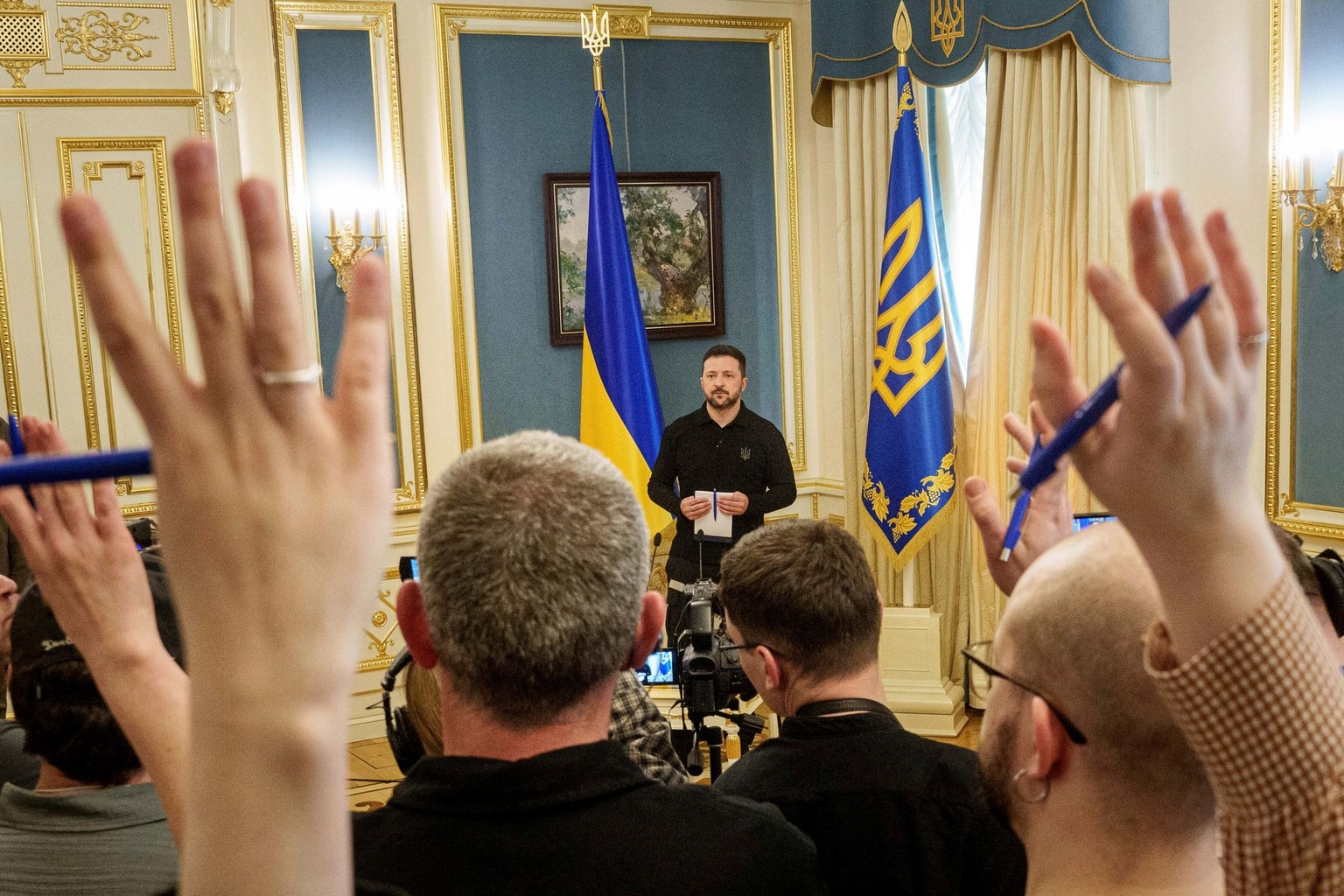
President Volodymyr Zelensky said those brought back to Ukraine include individuals against whom Russian authorities have opened criminal cases, as well as wounded soldiers.

President Volodymyr Zelensky said those brought back to Ukraine include individuals against whom Russian authorities have opened criminal cases, as well as wounded soldiers.
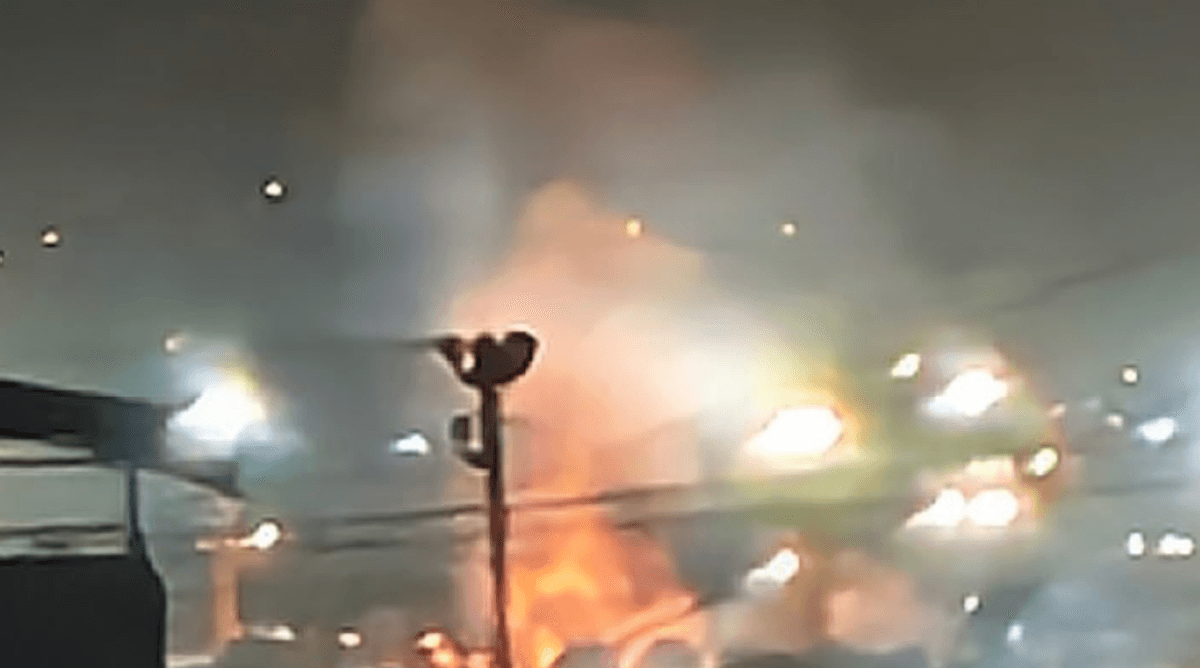
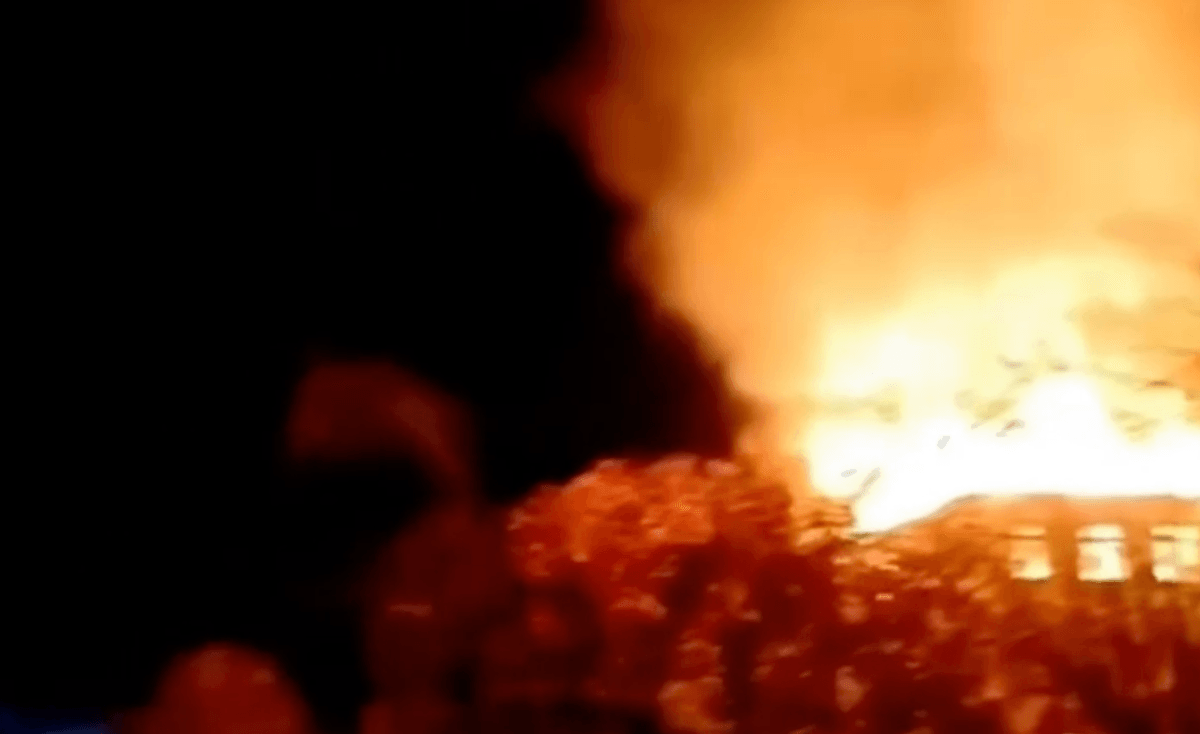
A fire is burning at an oil refinery in the Russian city of Yaroslavl as Ukrainian drones attacked several Russian regions and occupied Crimea overnight on April 26, authorities and social media channels reported.

On April 26, 1986, the explosion at Reactor No. 4 of the Chornobyl Nuclear Power Plant forever changed the lives of millions in Ukraine, Belarus, and Russia. Although Communist authorities initially tried to suppress news of the disaster even within the Soviet Union, radioactive fallout was soon thereafter detected by neighboring European countries, and the entire world took notice. The catastrophe became a critical turning point, exposing the flaws in the Soviet system and hastening the Soviet

In the latest episode of Ukraine This Week, Anna Belokur examines Ukraine’s growing debate over gun control and how the war is reshaping the country’s approach to weapons and safety.

United Nations nuclear chief Rafael Grossi said that the Russian-occupied Zaporizhzhia nuclear power plant is adequately staffed for nuclear safety measures, despite a lack of licensed nuclear specialists at the site. Grossi arrived in Ukraine earlier this week for his 14th visit to the country during the full-scale war where he signed an agreement with Kyiv to help restore and develop Ukraine’s nuclear energy sector, which makes up over 60% of Ukraine’s energy generation. Since 2022, the UN’s

"Disasters know no borders — neither should solidarity. Moldova stands with those who build, not destroy," Maia Sandu said.

"The explosion at the fourth reactor changed the lives of millions of Ukrainians. Its consequences affected the entire world and are still felt today," Prime Minister Yulia Svyrydenko said.

Combustion byproducts were released into the atmosphere and fell with rain on April 22, leaving a black coating on surfaces, the Krasnodar Krai Emergency Response Headquarters said.