Sweden intercepts sanctioned cargo ship en route to Russia in Baltic Sea
 on Google
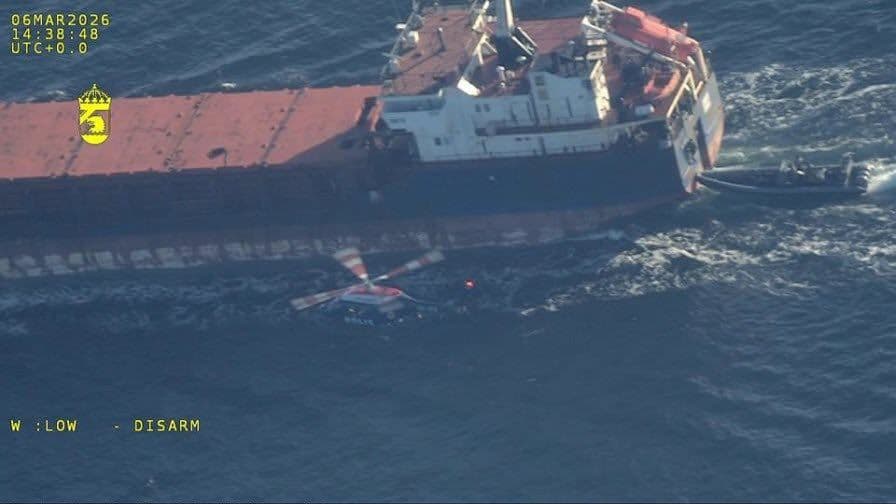
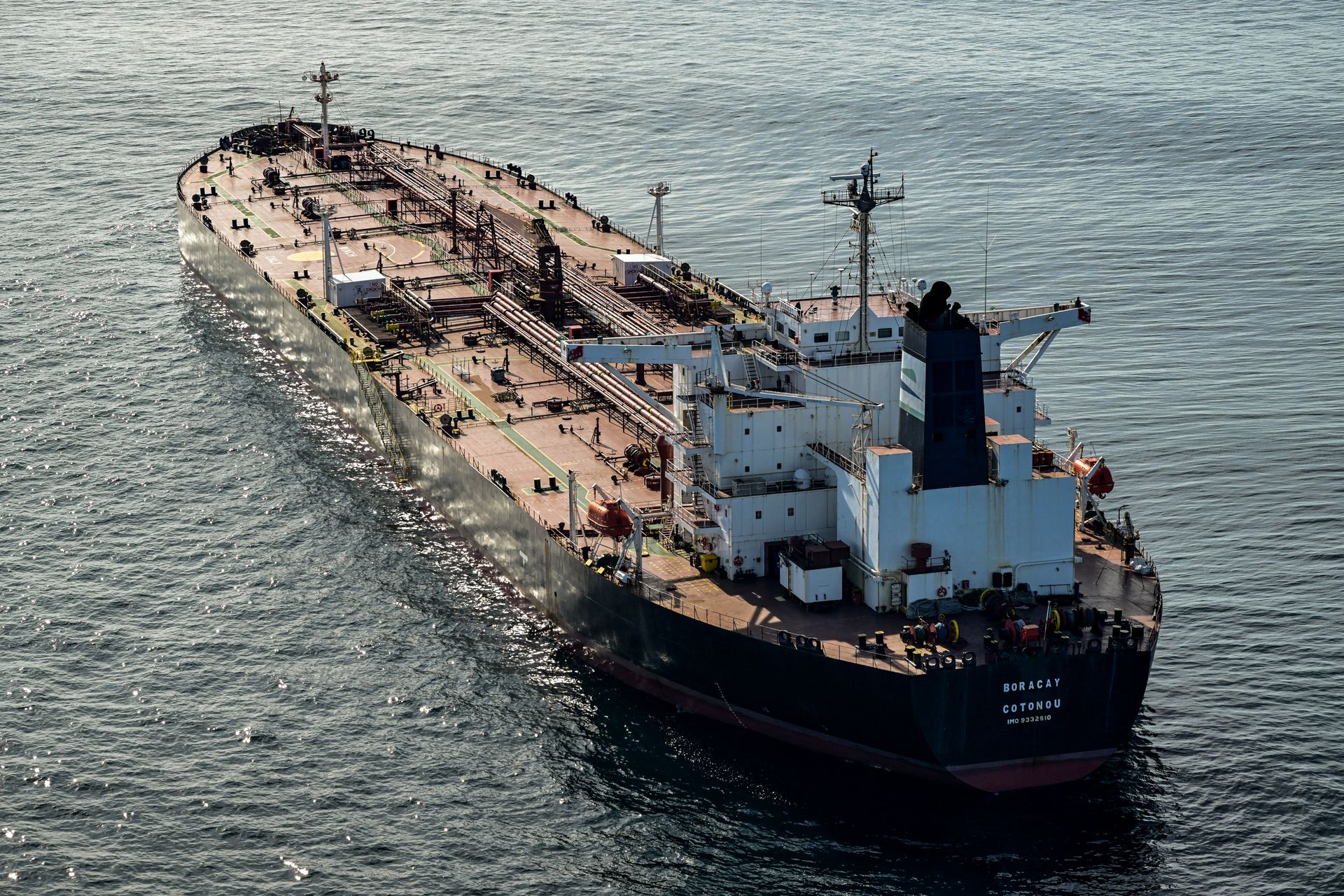
The Swedish Coast Guard said on March 6 it had taken control of the Caffa, a suspected false-flag cargo vessel, in Swedish waters near the town of Trelleborg.
While the ship flew Guinea's flag, the coast guard deemed it stateless "according to national and international law."
The move comes as European countries intensify efforts to curb Russia's shadow fleet, a network of tankers used to skirt international sanctions imposed over Moscow's war against Ukraine. The vessels enable the Kremlin to keep exporting oil despite the restrictions.
Swedish Civil Defense Minister Carl-Oskar Bohlin said that the Caffa vessel, stopped in the Baltic Sea, is on Ukraine's sanctions list, its ownership structure remains unclear, and it may lack insurance.
"As recently as this summer, the ship is said to have changed from a Russian to a Guinean flag," he said.
Vladyslav Vlasiuk, the Ukrainian president's commissioner for sanctions, said that the Caffa ship was traveling from Morocco to St. Petersburg, transporting grain.
According to him, the vessel was previously involved in stealing grain from occupied Ukrainian territories, including a shipment from the port of Sevastopol in Crimea in July 2025. The vessel unloaded its cargo at Tartus port in Syria, he added.
The Swedish Coast Guard launched an investigation into a suspected breach of maritime law regarding the vessel's seaworthiness.
Johan Andersson, deputy head of police's National Operations Department, said the crew had been alerted to a suspected breach of national and international law, adding that 11 crew members on the ship were Russian.
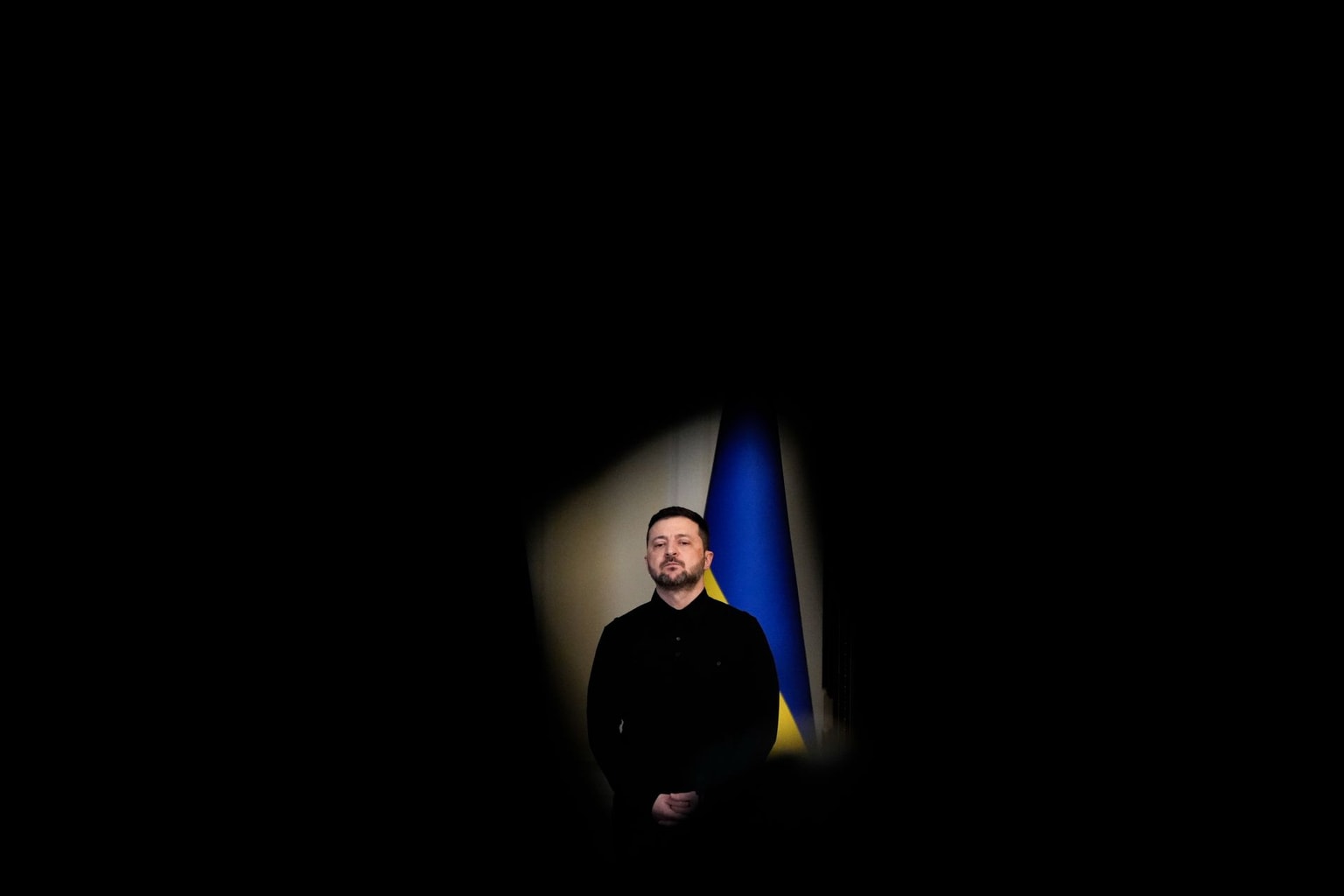
Foreign Minister Andrii Sybiha thanked Sweden for its "decisive actions" against "the Russian shadow fleet vessel." Swedish authorities have yet to confirm if the vessel is part of Russia's shadow fleet.
"Collective action against such vessels is gaining a momentum," Sybiha wrote on X on March 7.
"Sanctions work when they are strictly enforced. Together, we must stop the activities of Russia's shadow fleet to protect Europe's security and environment."