Shelling destroys radiation monitoring station at Zaporizhzhia nuclear plant, IAEA reports
 on Google

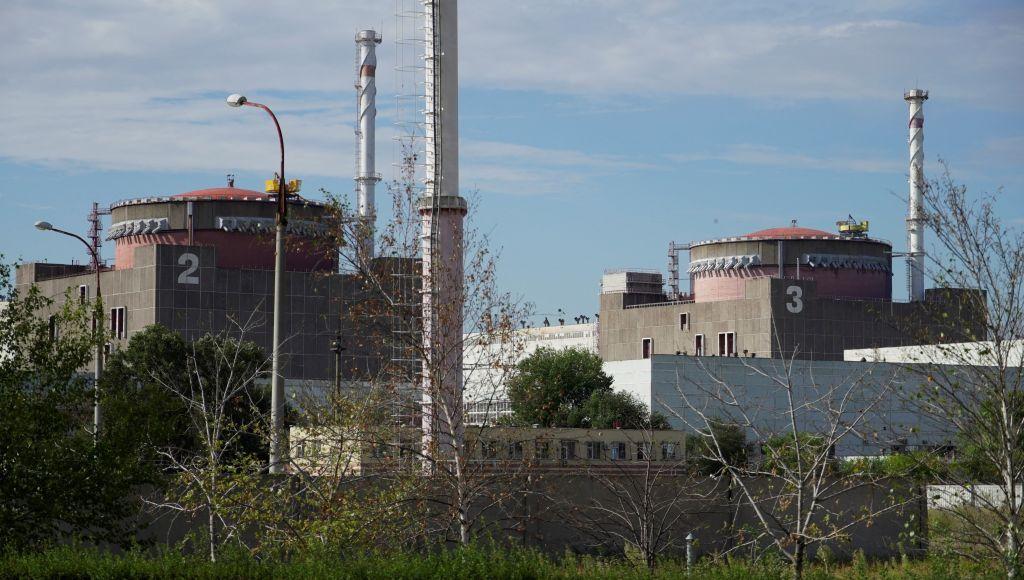
Shelling and fires near the Russian-occupied Zaporizhzhia Nuclear Power Plant (ZNPP) recently destroyed an external radiation monitoring station, the International Atomic Energy Agency (IAEA) reported on June 27.
The Zaporizhzhia nuclear plant, the largest nuclear power station in Europe, has been under Russian occupation since March 2022.
Personnel at the ZNPP informed IAEA experts that the plant lost connection to the radiation monitoring station, located 16 kilometers southwest of the main facility, on June 24. The loss of the station further limits the plant's external capacity to detect radiation release in an emergency.
"The functioning of off-site radiation monitoring equipment is an essential part of nuclear safety around the world," IAEA Director General Rafael Grossi said.
"These systems are important for continuously monitoring radiation levels and, in the case of an emergency, for quickly assessing the ongoing and potential radiological impact and what protective actions may need to be taken."
read also
IAEA inspectors said they were unable to visit the off-site monitoring station to confirm the reported damage due to ongoing fighting in the area.
Ukraine has repeatedly accused Moscow of using the plant as a launch site for drone and artillery attacks on the Ukrainian-controlled opposite bank of the Dnipro River, leading to heightened nuclear safety risks.
According to the IAEA, multiple radiation monitoring stations within 30 kilometers of the ZNPP have suffered damage and lost service for different lengths of time since Russia launched the full-scale invasion in 2022. Four stations out of a pre-war 14 are unavailable.
"The loss of one radiation monitoring station does not have a direct impact on safety at the ZNPP, but it forms part of a continuous erosion of a range of safety measures during the war that remains a deep source of concern," Grossi said.
IAEA monitoring teams have been based at the occupied nuclear plant on rotation since September 2022, but Russian authorities still deny IAEA inspectors full access to the plant.