Russia's Ryazan oil refinery halts operations following drone strike, Reuters reports
 on Google
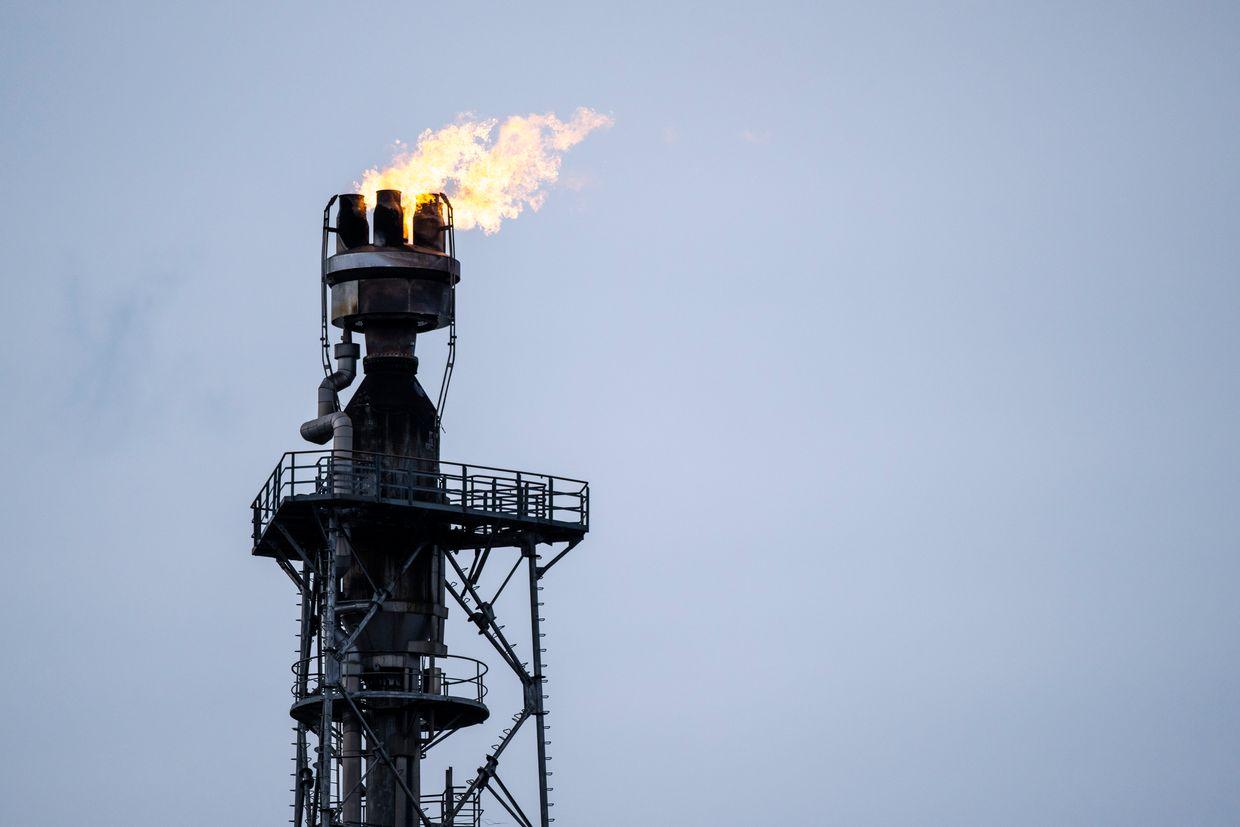
Russia’s Ryazan oil refinery suspended operations after a Ukrainian drone attack set its main crude distillation unit, CDU-6, on fire, Reuters reported on Feb. 24.
The refinery, owned by Rosneft, halted oil processing entirely, multiple industry sources told Reuters.
However, it may partially resume operations within days by using CDU-4 and CDU-3 units, while CDU-6 is repaired.
The attack caused at least five explosions, with local authorities attributing the fire to falling drone debris.
This refinery had only recently resumed activity on Feb. 11 following an 18-day shutdown after a previous attack.
This is the third time since the beginning of 2025 that drones have attacked the Ryazan Oil Refinery, according to the independent Telegram channel Astra.
The Ryazan Oil Refinery is one of Russia's five largest oil refining facilities, according to Andrii Kovalenko, head of Ukraine's Center for Countering Disinformation. Its capacity is 17.1 million metric tons of oil per year.
Kovalenko added that the fuel produced at the enterprise is used by the Russian army's strategic long-range aviation, which launches missile strikes against Ukraine.