Russian troops start leaving Belarus after Zapad-2025 drills, Ukraine says
 on Google
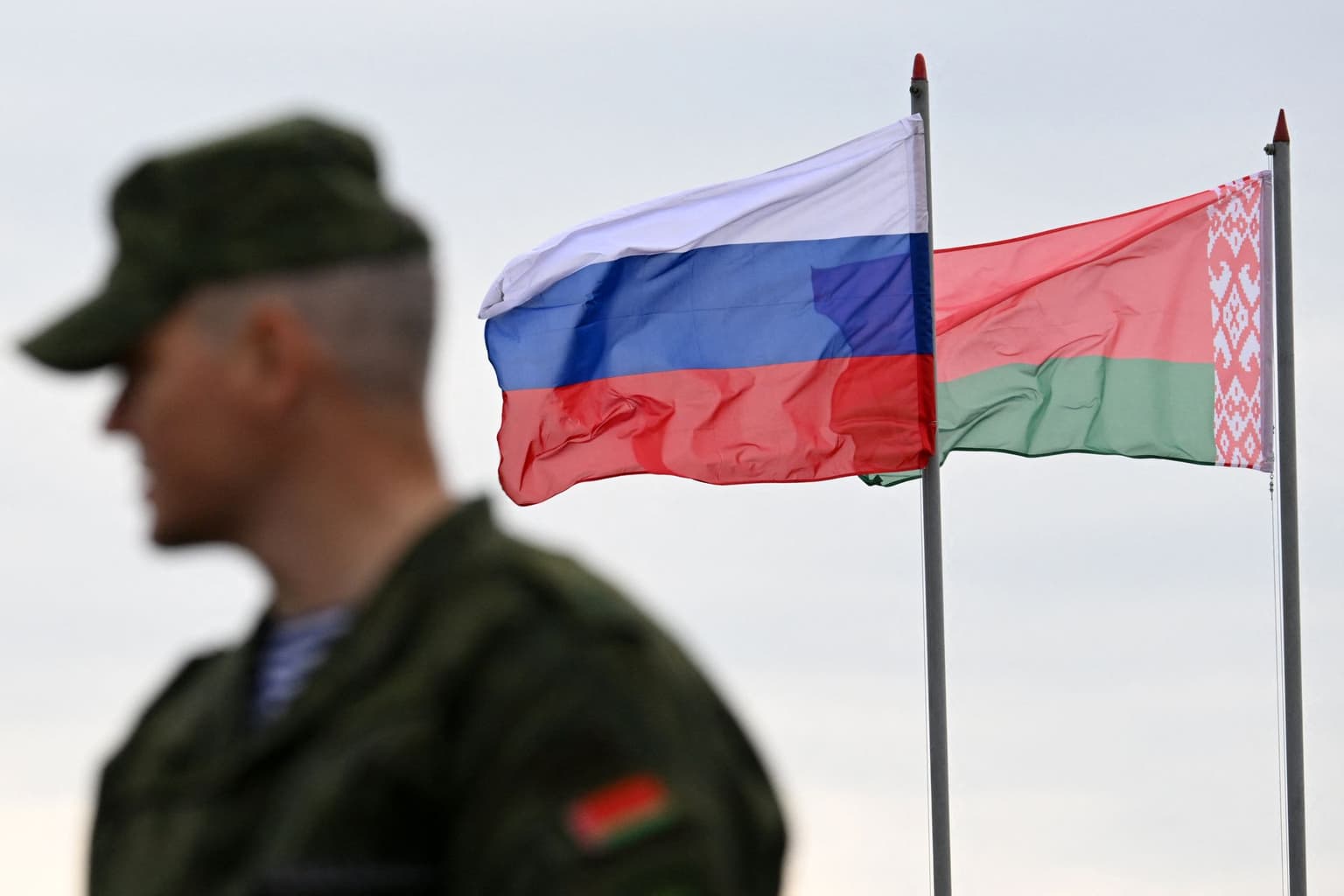
Russian troops have begun leaving training grounds in Belarus following the Zapad-2025 exercises, Ukraine State Border Guard Service spokesperson Andrii Demchenko said on Sept. 17.
The exercises took place between Sept. 12 and 16 across 41 training grounds in Belarus and western Russia.
The Zapad maneuvers, which the Kremlin said involved about 100,000 military personnel, remained a source of tension for NATO's eastern flank.
"I can't say right now that they (Russian troops) have all left Belarus, but I hope they will continue moving in the right direction," Demchenko told Ukrainian Pravda.
The Zapad drills, held every four years, officially focus on defensive operations but have long raised concerns in Europe. Poland closed all border crossings with Belarus as the drills began.
Russian President Vladimir Putin on Sept. 16 visited the Mulino training ground in Russia's Nizhny Novgorod Oblast to inspect the drills and review over 400 samples of military equipment.
Following the Zapad-2021 maneuvers, Russia and Belarus conducted the "Union Resolve-2022" drills, which immediately preceded Moscow's full-scale invasion of Ukraine.
Russian forces stationed in Belarus after these exercises took part in the invasion on Feb. 24, 2022.
Belarus's Defense Ministry said on Sept. 15 that observers from three NATO members — the U.S., Turkey, and Hungary — attended part of Zapad-2025 at a training ground.
Western officials warned that despite Minsk's assurances, the drills remain a means of exerting pressure on NATO's eastern flank.