Russian officials call for 'more powerful weapons' to attack Ukraine as temperatures drop
 on Google

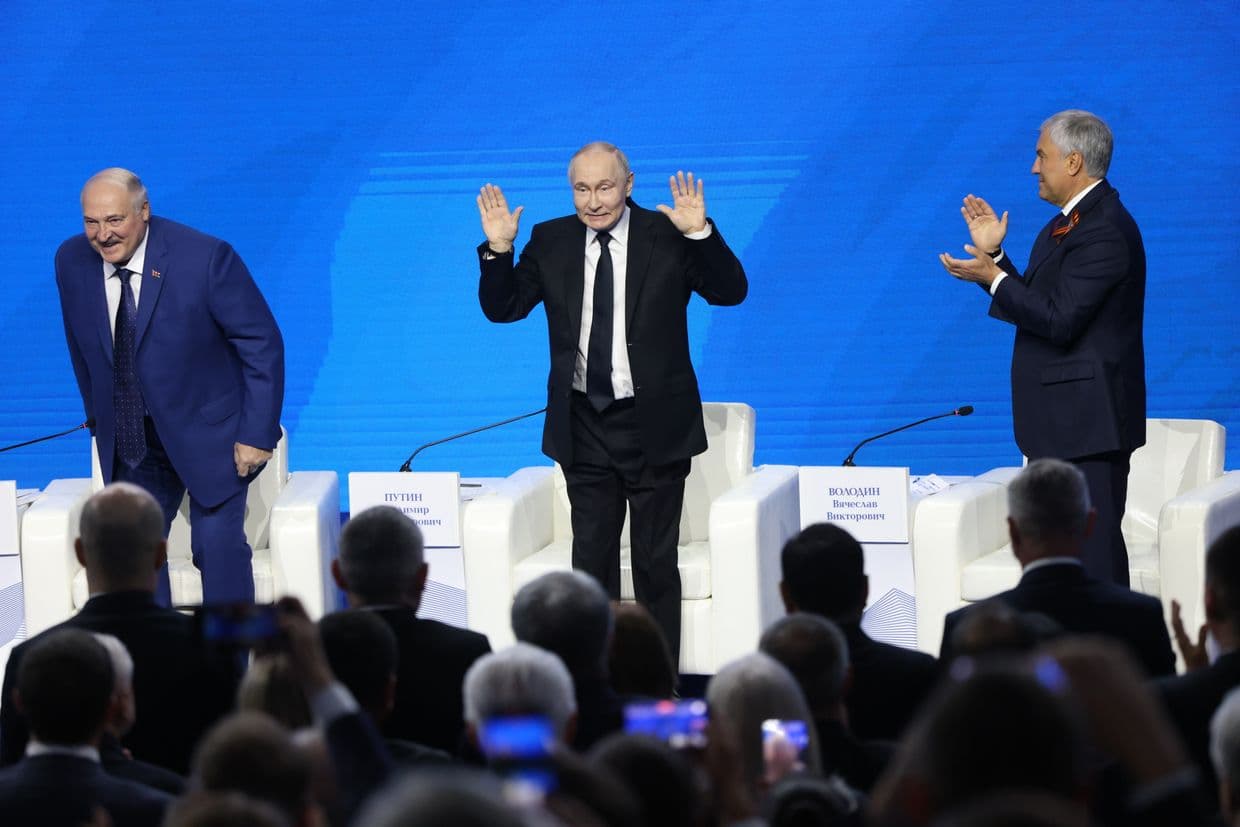
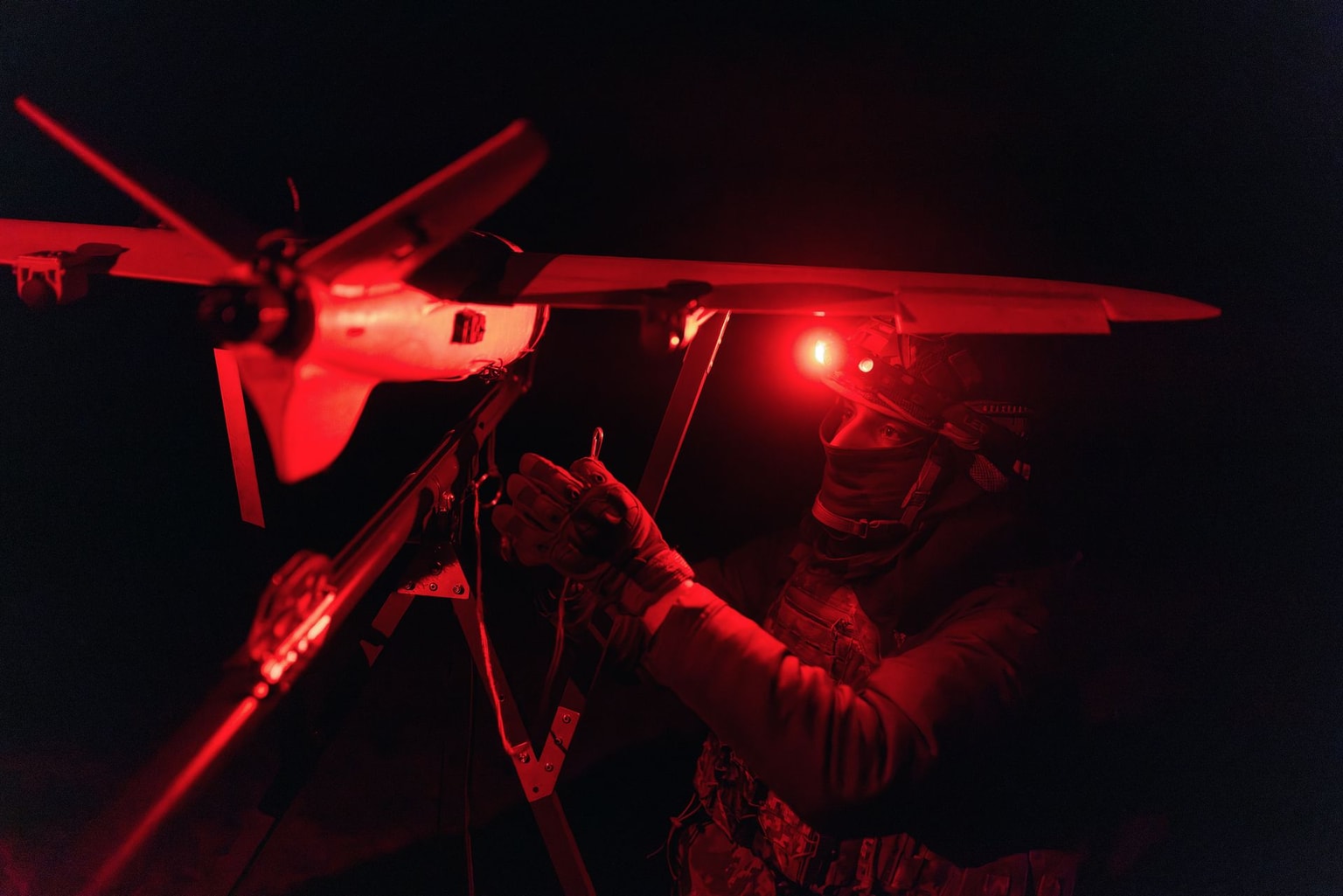
Russian State Duma deputies urged Moscow to use "more powerful weapons" to attack Ukraine, its Chairman Vyacheslav Volodin said on Jan. 30, amid increasingly cold temperatures.
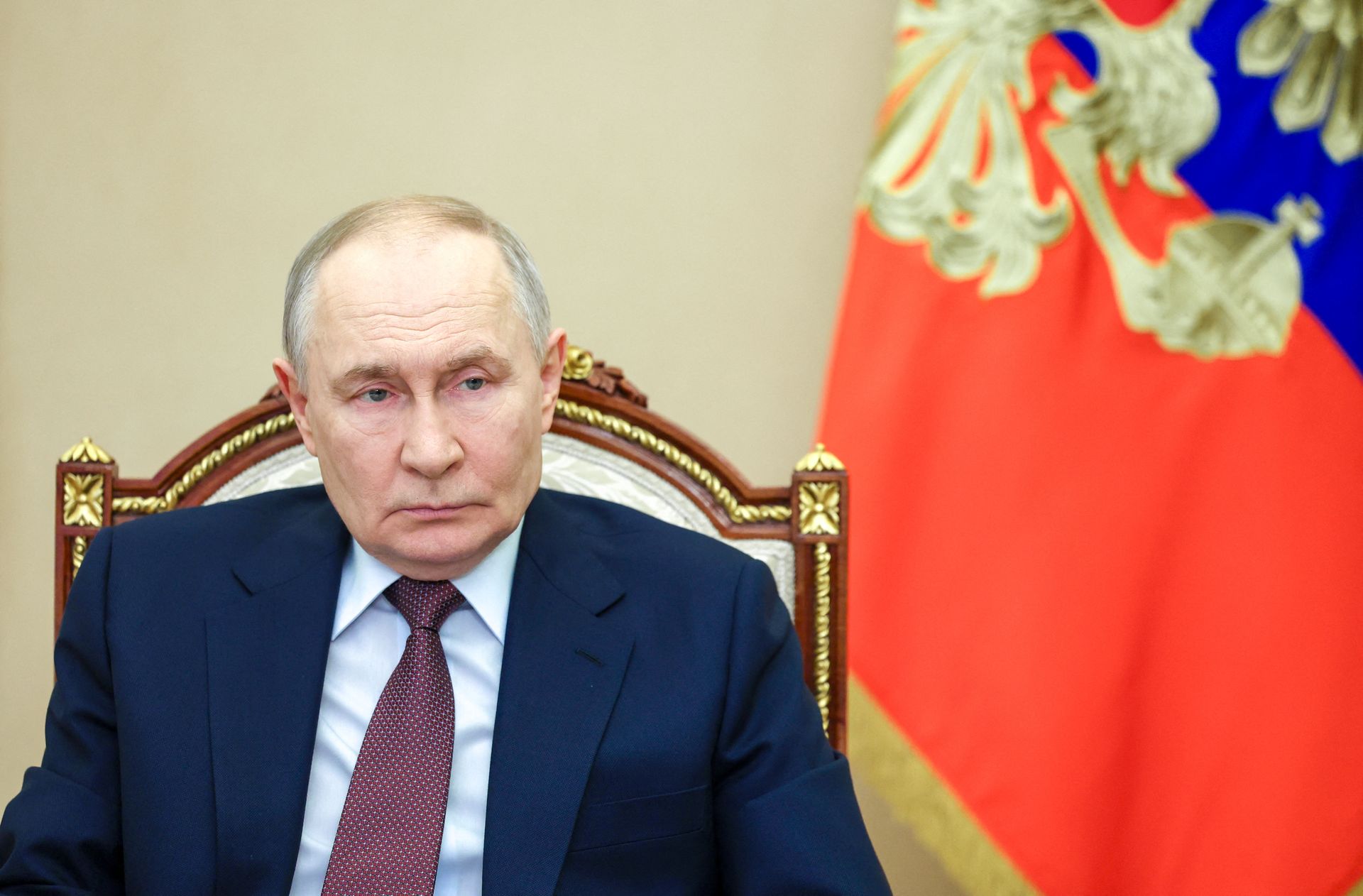
Stressing that Moscow's troops are on the advance, Volodin threatened President Volodymyr Zelensky by claiming that "the only way forward" is to follow the agreement reached by Russian President Vladimir Putin and U.S. President Donald Trump at the August 2025 Alaska talks.
The agreement envisions a Ukrainian withdrawal from the eastern Ukrainian region of Donbas and a freeze of the front line elsewhere to reach a peace deal, Reuters reported on Jan. 26, citing a source close to the Kremlin. Ukraine was not invited to the Alaska talks.
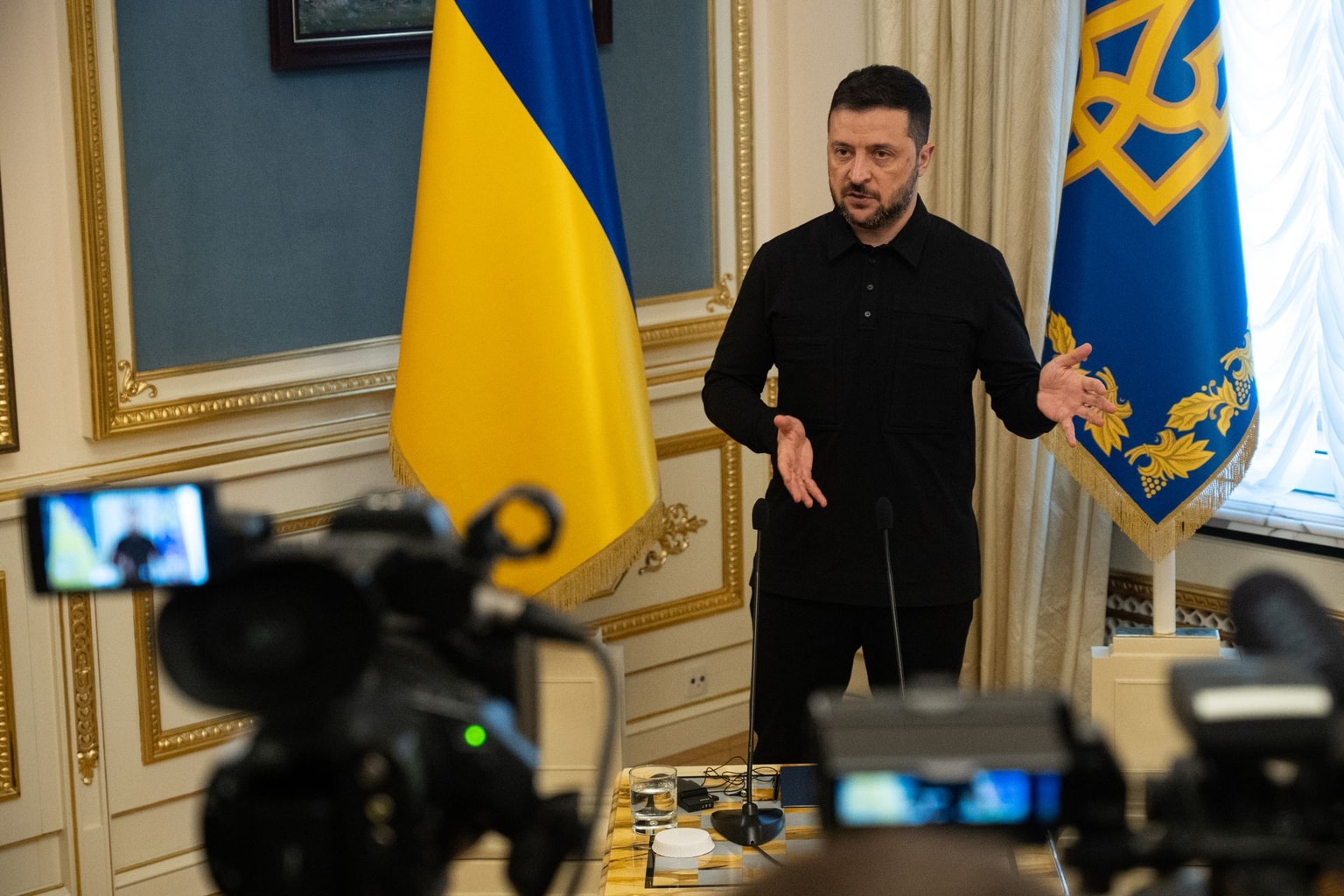
Volodin's threat, in which he says State Duma deputies call for "weapons of retaliation" to be used against Ukraine starting next week, comes a few days after Ukrainian, Russian, and U.S. officials held the latest round of peace talks in Abu Dhabi on Jan. 23-24. The negotiations were scheduled to resume on Feb. 1 in the same venue, but Zelensky said the date and location may change due to the "situation with the U.S. and Iran."
Volodin did not specify the exact types of weapons the State Duma deputies insist Russia use in his Telegram post.
The threat also comes as Russia ramps up its energy blitz, attacking Ukraine's critical infrastructure with barrages of missiles and drones. Energy Minister Denys Shmyhal said Ukraine endures "a significant power shortage," with the country struggling to provide water, heating, and power across the country despite the freezing temperatures. A mass power outage struck Kyiv and parts of Ukraine on Jan. 31 after authorities said technical malfunctions disrupted high-voltage lines connecting Ukraine and Moldova's power systems, further worsening the situation.
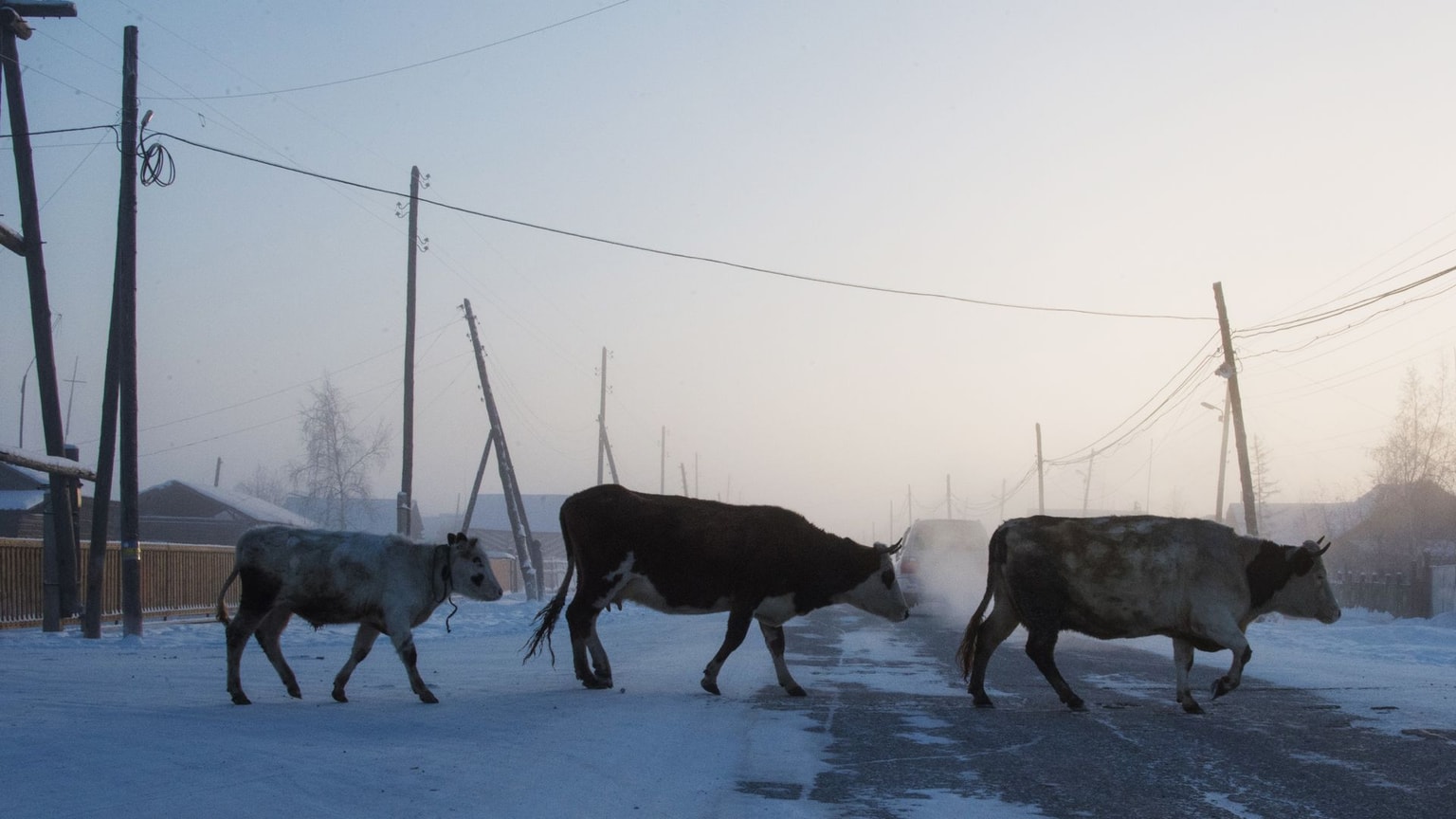
In some regions, temperatures are expected to drop to around -20 to -30 degrees Celsius (around -4 to -22 degrees Fahrenheit) next week.
The trilateral Abu Dhabi meeting on Feb. 1 coincides with the day Russia claims is the deadline for its pause in attacks against Kyiv.
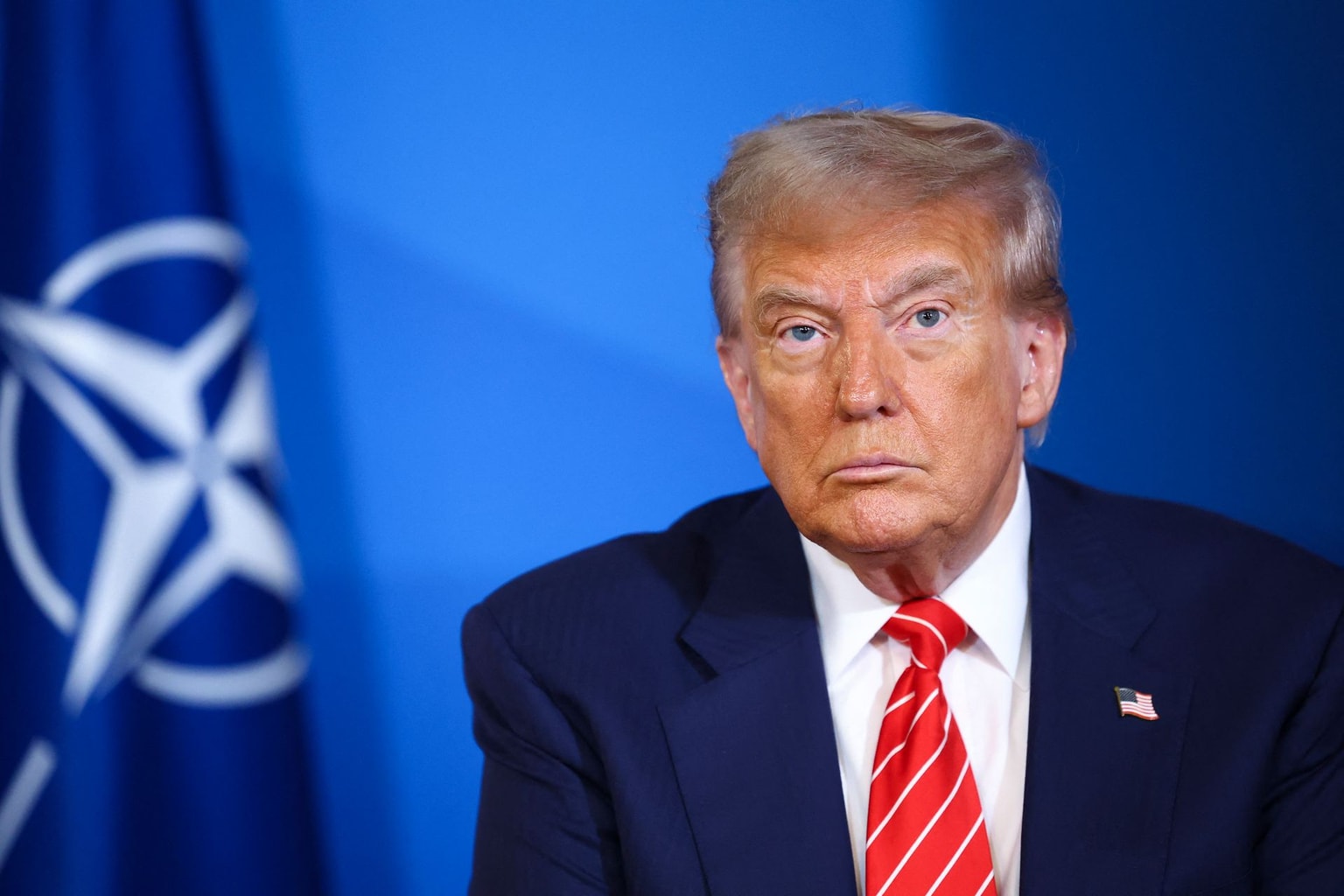
U.S. President Donald Trump said on Jan. 29 that Russian President Vladimir Putin had agreed not to strike Ukrainian cities for a week, though Moscow said that this would concern only Kyiv, and last only until Feb. 1 — just before another cold snap.
Putin's envoy, Kirill Dmitriev, arrived in Florida on Jan. 31 for separate talks with U.S. officials, the Russian Interfax news agency reported.