'Situation remains difficult'– Ukraine grapples with ongoing power crisis ahead of another cold snap
 on Google
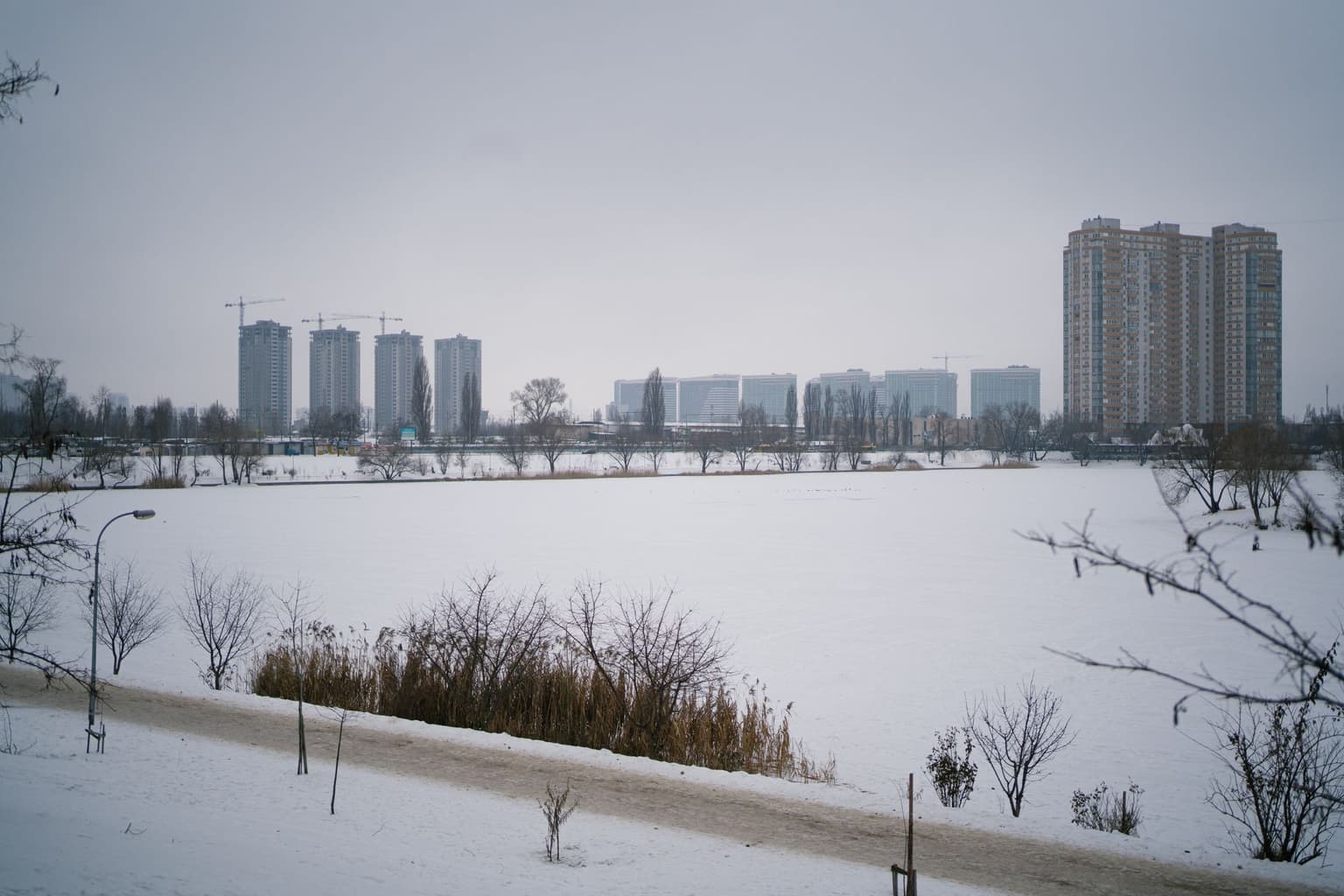
Ukraine’s energy system remains under severe strain, and nuclear plants are still partially disconnected from the power grid as of Feb. 8 following Russia's mass attack on Ukraine's critical infrastructure overnight on Feb. 7.
One of the worst situations is in Kyiv, where residents have received just one-and-a-half to two hours of power per day for several days.
"The situation in the energy system remains difficult. The level of the power deficit and the damage inflicted on electricity transmission and distribution networks currently do not allow emergency outages to be lifted in most regions," Ukrenergo, the state-grid operator, said in a statement on Feb. 8.
The mass Russian strike on Feb. 7 damaged nuclear infrastructure and triggered emergency outages across most regions. The attack came ahead of another cold snap in Kyiv, with temperatures expected to drop to –19 degrees Celsius (–2 degrees Fahrenheit) in the coming days, further straining the energy system.
Ukrenergo said on Feb. 8 that crews were working to restore power after two large-scale missile and drone attacks on the grid earlier this week. Restoration efforts are ongoing at power plants and high-voltage substations.
On the heels of these strikes, Russia launched a new drone attack on the facilities of Naftogaz, Ukraine's largest oil and gas company, in Poltava Oblast overnight on Feb. 8.
Naftogaz CEO Serhii Koretskyi wrote on Facebook that the attack damaged the company's assets and equipment. No casualties have been reported, according to Koretskyi.
This marks the 19th Russian attack on Naftogaz facilities since the start of the year, Koretskyi said.
Russia's strikes on Ukraine's critical infrastructure come as diplomatic efforts to end the war continue. Moscow is intensifying attacks on civilian energy infrastructure in what Ukrainian officials describe as an attempt to pressure Kyiv into accepting Russia's maximalist demands in peace talks.
Following Russia's strikes on Ukraine on Feb. 7, in which more than 400 drones and nearly 40 missiles were used, President Volodymyr Zelensky signed decrees to impose new sanctions against companies and individuals supplying foreign components for Russian missiles and drones, as well as those helping Russia circumvent international sanctions.