Russia targets nuclear power plant substations, thousands in Kyiv without power, water
 on Google





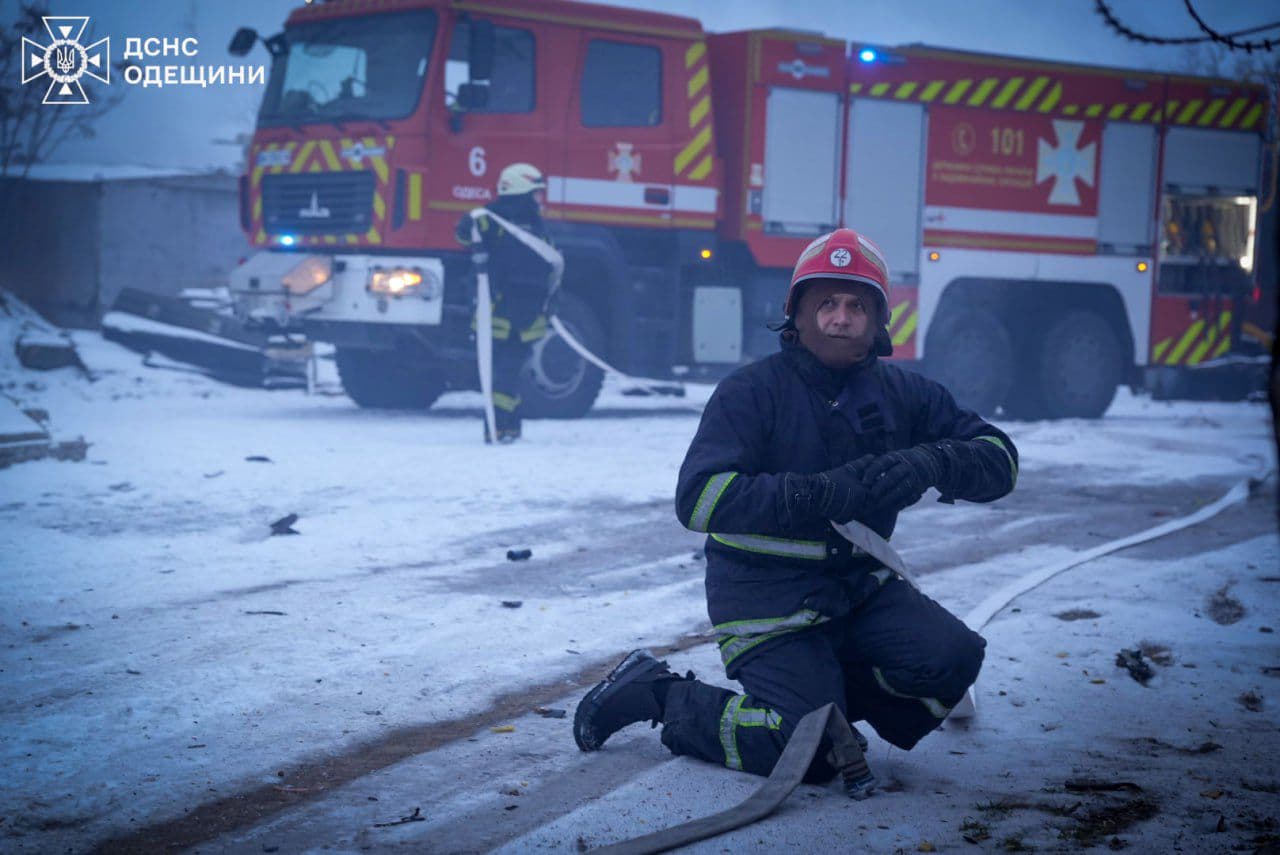
A Russian mass attack overnight on Jan. 20 killed and injured civilians across two Ukrainian regions, targeted substations serving nuclear power plants, and triggered widespread outages of electricity, water, and heating, local authorities said.
Russian forces attacked Kyiv Oblast and the capital, Kyiv, as well as Zaporizhzhia, Rivne, Odesa, Kharkiv, Poltava, and Dnipropetrovsk oblasts with drones and missiles overnight, targeting critical and civilian infrastructure.
Russia launched 18 ballistic missiles, 15 cruise missiles, as well as 339 drones, including about 250 Shahed-type drones, against Ukraine overnight, primarily targeting Kyiv, the Air Force said on Jan. 20.
Ukrainian air defense downed 27 missiles and 315 drones, according to the report. A Zircon anti-ship missile, known to travel considerably quicker than most cruise missiles, was named as among the weapons used by Russia.
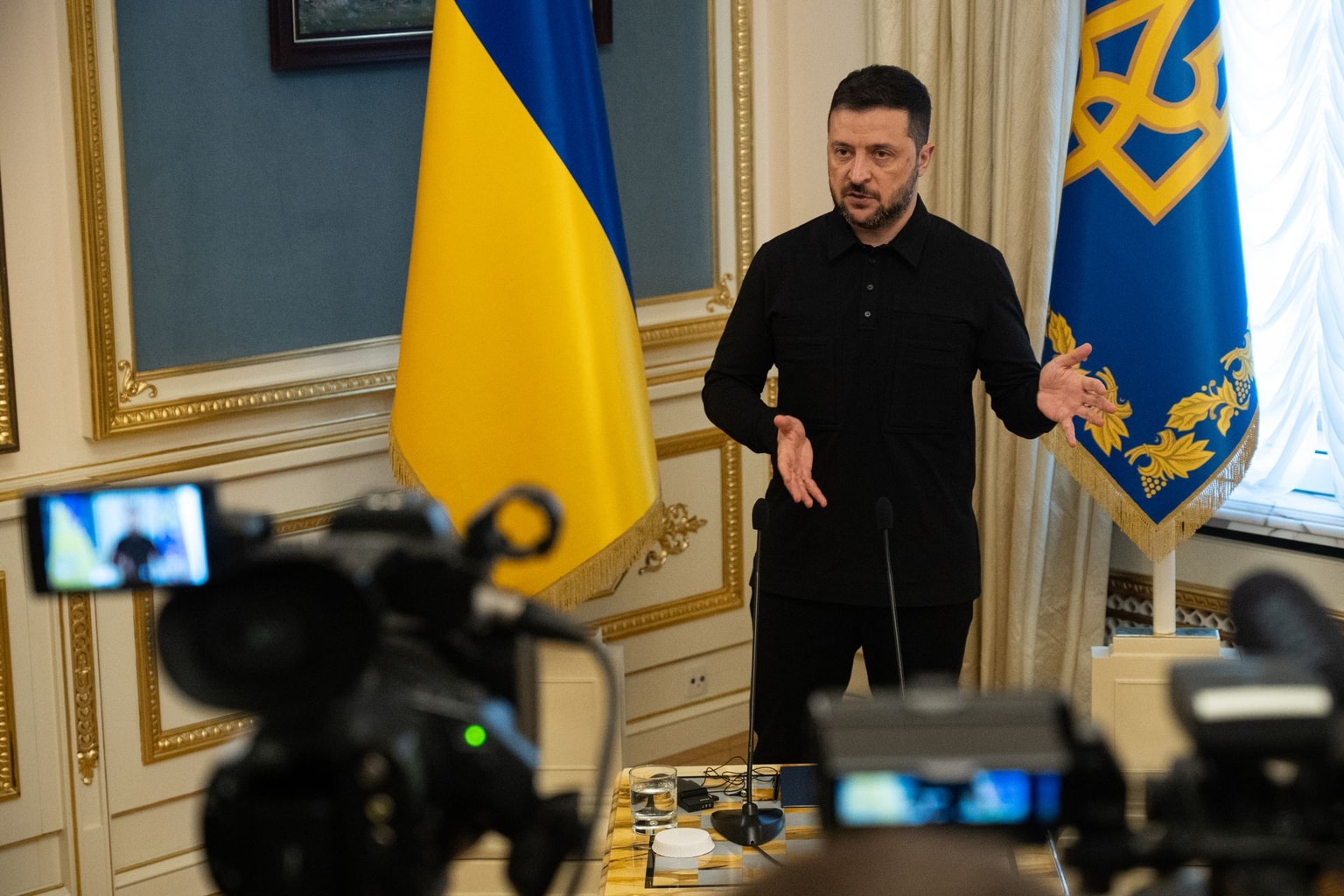
President Volodymyr Zelensky said on Telegram that during the recent attack, Russian forces used "updated tactics" against Ukraine, though he did not specify what they were.
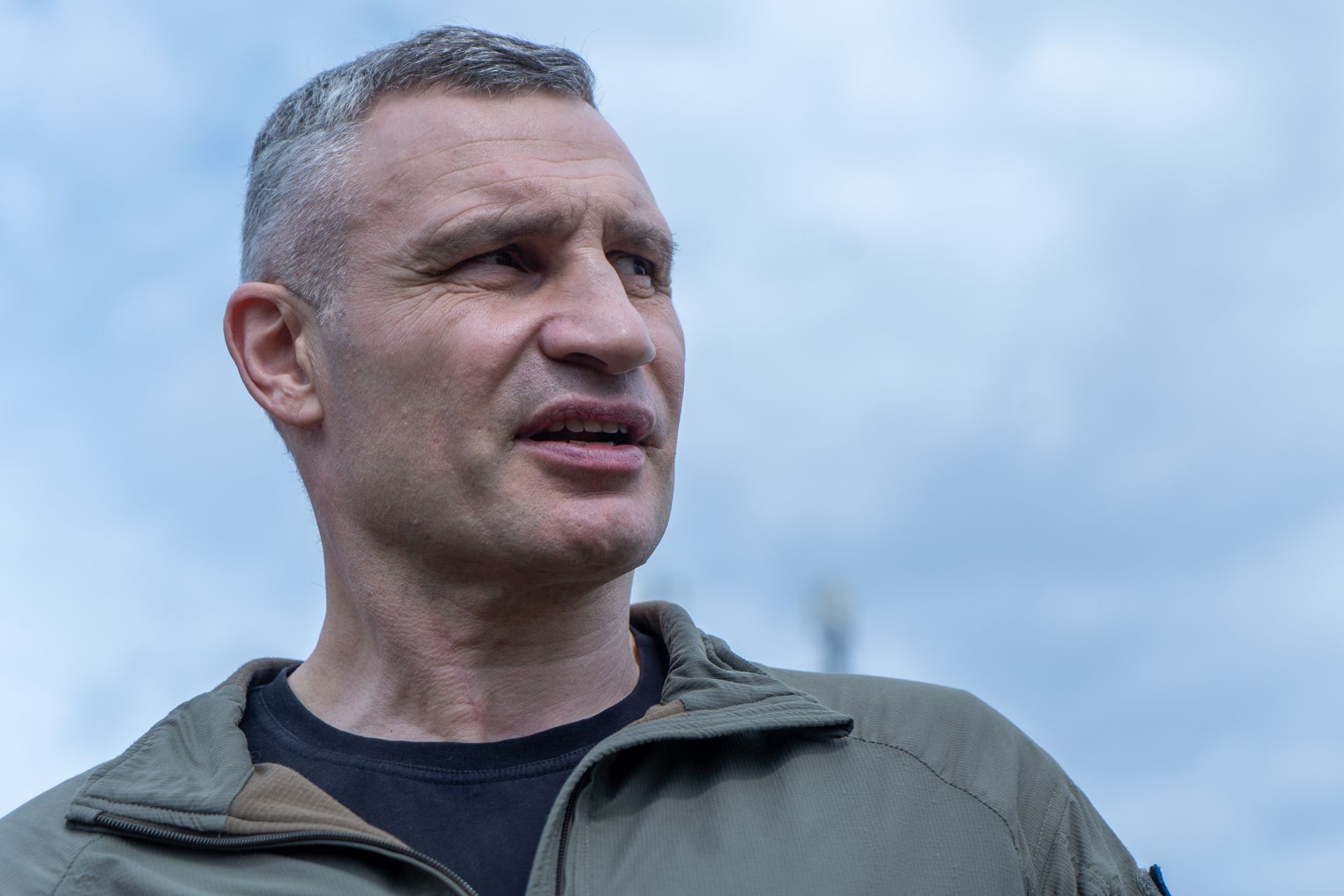
A death was reported in Kyiv's surrounding region overnight. Kyiv Oblast Governor Mykola Kalashnyk said a 50-year-old man was killed northwest of the capital. One person was injured in Kyiv's Dniprovskyi district, according to Mayor Vitali Klitschko.
Two women, aged 67 and 76, were also injured in the overnight attack in the central-eastern city of Dnipro, the regional military administration reported on Jan. 20.
One of Russia's main targets overnight was Ukraine's energy infrastructure, including facilities that support nuclear plants, escalating a fall-and-winter campaign aimed at plunging the country into darkness.
Substations connected to Ukraine's nuclear power plants were targeted, but Moscow failed to disconnect the plants, Vitaliy Zaichenko, the CEO of Ukraine's state-grid operator Ukrenergo, told the Kyiv Independent.
"The Russians were not successful. We were successful," Zaichenko said, adding that the protection around the substations is good.
The substations connect two nuclear plants, one in the western part and the other in the south, to Ukraine's energy grid. The country's three operating nuclear power plants are its main source of electricity generation as the country battles an energy crisis in subzero conditions.


Following the strike, Zelensky held an emergency meeting with Ukraine's energy and defense officials to assess the damage and coordinate the response.
The president said the most difficult situation remained in Kyiv, parts of Kyiv Oblast, and Kharkiv, where large numbers of residential buildings were left without heating.
Zelensky added that at least part of the missiles used in the attack were produced in 2026, underlining the urgent need for stronger sanctions enforcement against Russia.
Zelensky also said that just one day before the attack, Ukraine had finally received vital air defense missiles, which significantly bolstered its ability to repel the strike.
"Every support package matters. Missiles for Patriots, for NASAMS, and other air defense systems are critically needed," Zelensky wrote on Telegram.
Following the attack, power outages have been implemented across the country to stabilize the embattled grid.
The strike on energy infrastructure left consumers in Kyiv and the surrounding region, as well as in Odesa, Dnipropetrovsk, Sumy, Rivne, and Kharkiv oblasts, without power, the Energy Ministry said.
Ukraine's largest private energy company, DTEK, said that more than 335,000 people lost electricity in Kyiv. At around 10 a.m. local time, power had been restored to 162,000 homes, while about 173,000 remained without service.
In Kyiv, 5,635 buildings remain without heating, or about 46% of the city's housing stock. Twelve buildings have been without heating since Jan. 9, when Russia also attacked the capital, Oleksii Kuleba, deputy prime minister for the restoration of Ukraine, said.
At the Smartass gym in central Kyiv, Operations Director Valeriia Bedim told the Kyiv Independent that since December 2025, the gym has been operating with a regular power outage schedule, after massive Russian attacks this month the situation has significantly worsened.
"For the first time since 2018, we were forced to temporarily close one of the gyms because the heating had been turned off for several days, and the temperature in the space had dropped to 3 degrees Celsius (37.4 degrees Fahrenheit)," Bedim said.
Bedim added that people still go to the gym despite the Russian attacks and severe frosts because it helps them stay mentally fit.
Andriy Myroniuk, a gym client, said that he actually goes more often when there is shelling.
"The worse the night was, the sooner you have to go there," Myroniuk said.
Forty crews from Ukrainian Railways, also known as Ukrzaliznytsia, and 20 crews from other regions of Ukraine are working around the clock with city services to speed recovery after the attack on Kyiv, Kuleba added.
The right bank of Kyiv, the western part of the city, is receiving water at reduced pressure, while about 3,500 homes on the left bank remain completely without water, according to the deputy minister.
At 4 p.m. local time in Kyiv, 4,000 high-rise buildings remained without heating, while 1,600 had it restored. The restoration effort is complicated because most of the buildings are being reconnected for the second time after the Russian strike damaged critical infrastructure on Jan. 9, according to Klitschko.
Russia has damaged or destroyed much of the country's other generation plants, including thermal and combined heat and power plants. So far, it has refrained from directly striking nuclear plants in its campaign to destroy Ukraine's energy system.
Workers continue repairing damage and reconnecting homes across Ukraine.
Ukraine's military intelligence warned over the weekend that Moscow would attempt to sever the country's nuclear power by destroying critical substations. If it succeeds, it could risk a nuclear disaster, experts previously told the Kyiv Independent.
While the mass attack did not cut off the nuclear plants, Russia did hit power plants in Kyiv city. As a result, around 60% of the city was without power on the morning of Jan. 20, said Zaichenko.
Local officials announced changes to metro service due to a "difficult energy situation" in the capital.
Russian forces also "cynically" struck civilian infrastructure in southern Odesa Oblast, targeting residential areas and energy facilities overnight, regional governor Oleh Kiper said on Jan. 20.
In western Rivne Oblast, which also suffered from the overnight attack, regional governor Oleksandr Koval reported on Jan. 20 that more than 10,000 consumers are left without power after a Russian attack on critical infrastructure.
In Vinnytsia Oblast, Russian forces struck an energy facility, but no one was injured, regional Governor Natalia Zabolotna said.
Energy facilities in the city of Kharkiv were also damaged in the Russian attack. According to Kharkiv Mayor Ihor Terekhov, Russia has intensified missile strikes on local energy infrastructure in recent days, often hitting the same targets repeatedly.
"No matter what protective measures are taken, there is damage. And the more damage there is, the more time it takes for energy workers to restore everything," Terekhov added.
Dnipro Mayor Borys Filatov said a large boiler house was damaged in the recent attack on the city, leaving "hundreds of homes" without heating.
The first explosions of the overnight attack were heard in Kyiv around 2 a.m., Kyiv Independent journalists on the ground reported. At around the same time, the Air Force warned that Russian ballistic missiles were targeting the capital.
The Air Force soon afterwards issued additional ballistic missile warnings for Kyiv, Dnipropetrovsk, and Vinnytsia oblasts. The military then said Russia had launched MiG-31 bombers, carriers of Kinzhal hypersonic missiles.
The Air Force later reported that a second wave of Russian drones was later seen approaching the city around 5 a.m. local time. Missile were also reported approaching the city around 6:30 a.m.
Earlier in the evening, groups of Russian drones triggered aerial alerts in Kyiv and the surrounding region, as well as in several other Ukrainian oblasts. Drone swarms were also reported targeting the city of Odesa and the surrounding region around 6 a.m.
Earlier on Jan. 19, Zelensky warned that Russia was planning a large-scale attack against Ukraine.
"In the coming days we must remain extremely vigilant. Russia has prepared for a strike — a massive strike — and is waiting for the moment to carry it out," the president said.
Energy Minister Denys Shmyhal said Russia's attack would target energy infrastructure, including potential strikes on facilities serving Ukraine's nuclear power stations.
Kyiv's left-bank districts, home to about 1.1 million people by pre-war estimates, have borne the brunt of recent strikes and, like the rest of the city, are enduring the most difficult winter of Russia's full-scale war as Russia intensifies its campaign against energy facilities.
Zelensky declared a state of emergency in the energy sector on Jan. 14 amid the escalating campaign.