Russia accuses Ukraine of attacking facilities linked to Black Sea gas pipelines
 on Google

Russia on March 11 accused Ukraine of repeatedly attacking energy facilities tied to gas supplies for Turkey and of plotting sabotage against Black Sea pipelines.
Over the past two weeks, Russian defenses fended off 12 attacks against Gazprom sites that ensure gas exports for the TurkStream and Blue Stream pipelines, the Russian energy giant claimed.
Moscow also informed Turkey about Ukraine's alleged "plans to sabotage and disrupt the infrastructure" of the TurkStream and Blue Stream pipelines, Kremlin spokesperson Dmitry Peskov said.
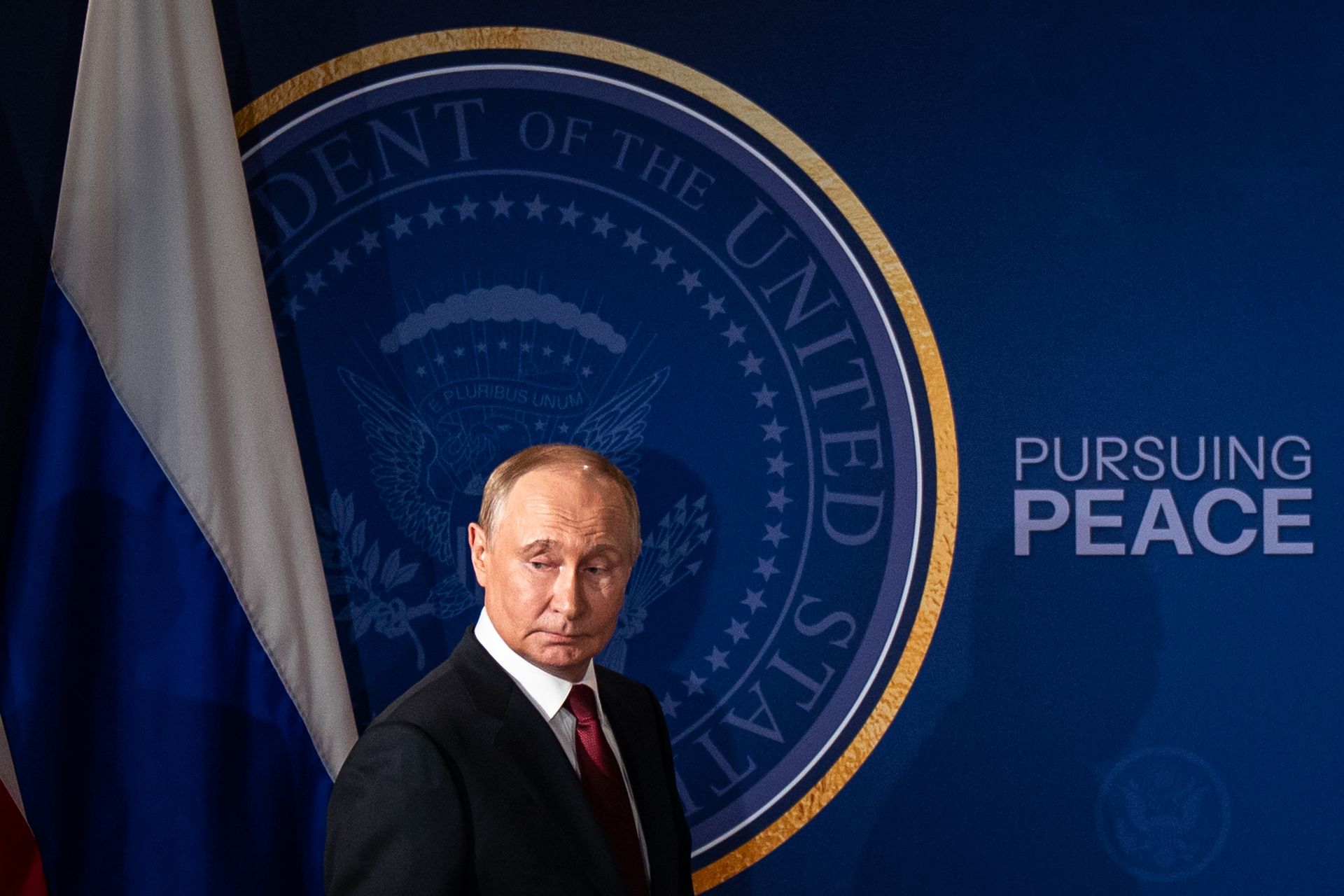
The accusations come after Russian President Vladimir Putin warned on Feb. 24 that any sabotage of Black Sea pipelines could derail peace talks.
Analysts and officials who previously spoke to the Kyiv Independent framed Moscow's repeated allegations about Ukraine-backed sabotage plots as part of an effort to disrupt and influence U.S.-led negotiations.
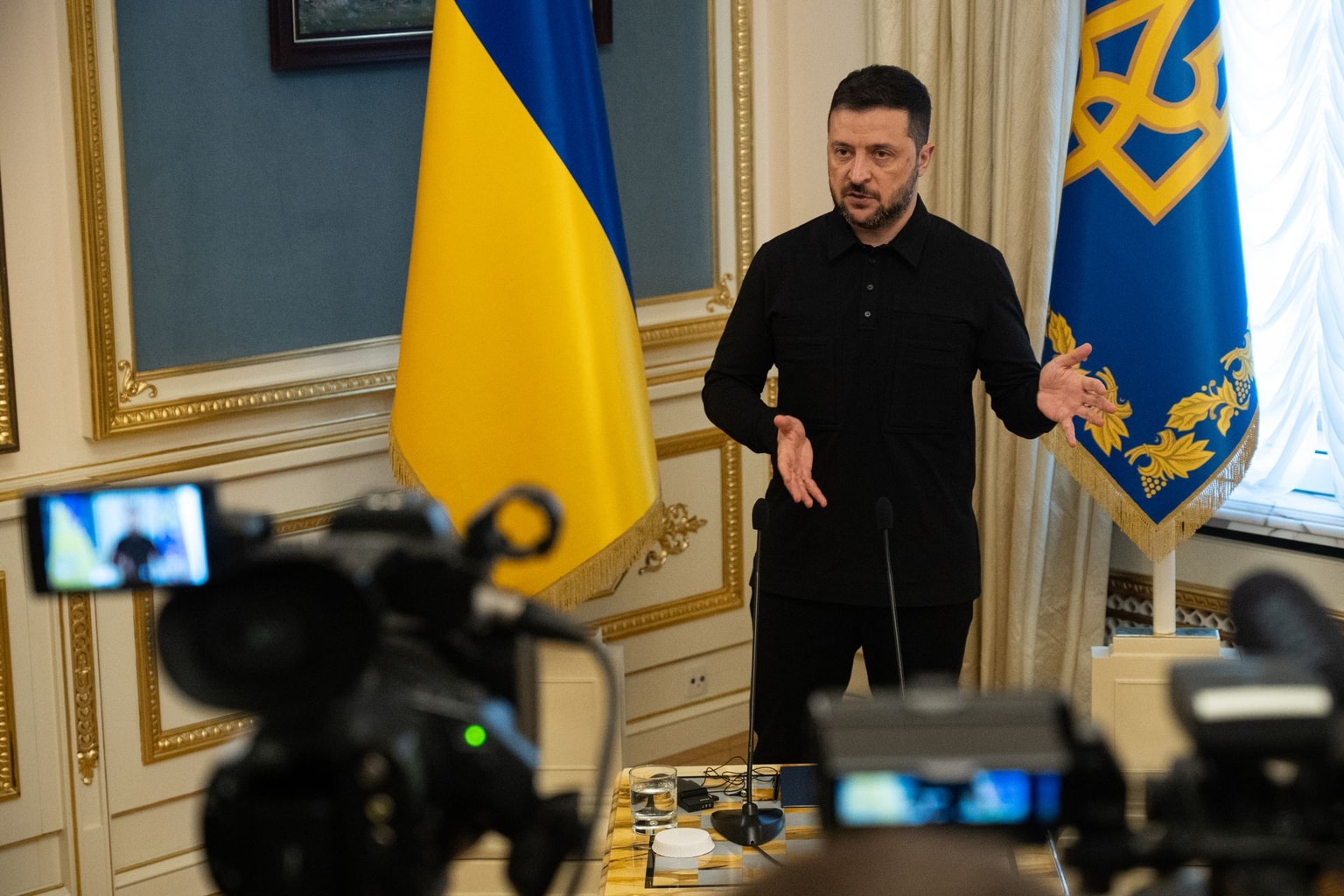
The claim also comes after President Volodymyr Zelensky said that the next round of peace talks could take place in Turkey, a country that has hosted earlier rounds of negotiations.
The Russkaya compressor station in Krasnodar Krai was attacked on March 11, and the Beregovaya and Kazachya stations were attacked a day earlier, Gazprom claimed.
Russia's Defense Ministry reported that its forces downed 185 Ukrainian drones across multiple Russian regions, occupied Crimea, the Black Sea, and the Azov Sea overnight on March 11.
Ukraine has not commented on Moscow's accusations. Kyiv's forces have previously conducted drone strikes on Russian gas and oil facilities, targeting a key source of the country's fossil fuel revenue.
TurkStream runs from Russia's Krasnodar Krai to Kiyikoy in Turkey's European part, with most of the gas flowing onward to Bulgaria, Serbia, Hungary, and Greece. It is effectively the last pipeline still delivering Russian gas to Europe.
Blue Stream funnels gas from Russia's Stavropol Krai to Ankara and plays a major role in Turkey's gas imports.
Putin also warned Hungary's Foreign Minister Peter Szijjarto of Kyiv's alleged plans to sabotage TurkStream during their meeting in Moscow on March 4.
Hungary, broadly regarded as the most Kremlin-friendly government in the EU, has deepened energy ties with Moscow throughout the full-scale war.