NATO announces 70 billion-euro Ukraine aid pledge, with much drawn from existing commitments
 on Google
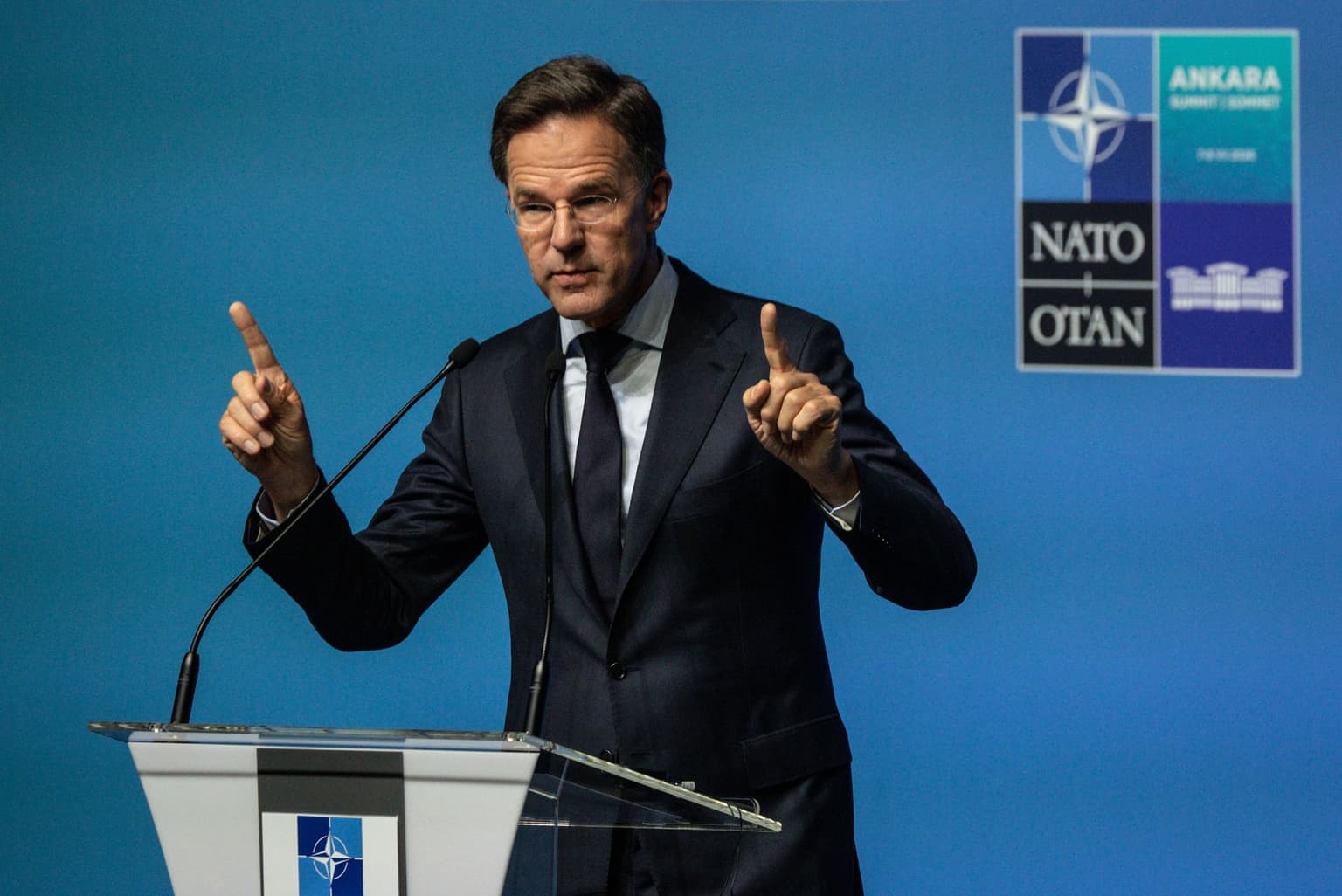
The leaders of NATO's 32 member countries pledged 70 billion euros ($80 billion) in defense aid to Ukraine and committed to delivering the same in 2027, according to conclusions from the alliance's July 8 summit.
The financial pledges are essential for Ukraine, which the Kyiv Independent previously reported was facing an almost 20 billion-euro hole ($22.5 billion) in its 2026 defense budget, even after accounting for extensive EU support.
"For 2026, Allies pledge 70 billion euros in military equipment, assistance and training for Ukraine and affirm their sovereign commitments to sustaining at least equivalent levels in 2027," reads the joint declaration produced by NATO at the end of their annual meeting, this time held in the Turkish capital of Ankara.
"To this end, we welcome the European Union’s decision to provide multi-year funding to Ukraine through the Ukraine Support Loan," reads the declaration.
But not all of the pledged total is expected to be new money. An EU and a NATO diplomat told the Kyiv Independent ahead of the summit that allies would consider the 28.3 billion euros ($32.3 billion) scheduled to be given by Brussels to Kyiv for its defense needs this year as part of the NATO pledge, even though it was agreed in April.
That would make at least 40% of the pledged total not actually new money for Ukraine.
And whereas the NATO norm is to quantify amounts in U.S. dollars, the pledge to Ukraine was expressed in euros, suggesting that bankrolling Ukraine is now a clear matter for the Europeans to handle.
And substituting dollar for euro was not the only sign in the conclusions that the summit had become more Europe-focused.
The conclusions contain three distinct references to "European allies and Canada," or rather, NATO minus the United States.
Specifically, the conclusions note that Europe and Canada "increased their investments in core defense requirements by more than $139 billion," that they are "assuming greater responsibility for the alliance's defense," and that they "now finance the vast majority of security assistance to Ukraine."
Significantly for Ukraine, the alliance's conclusions affirm that Kyiv "contributes to transatlantic security," and they restate allies' "unwavering support for Ukraine in defending its freedom, sovereignty, and territorial integrity."
But the conclusions say little about Iran, hours after U.S. President Donald Trump resumed attacks against the country.
"Allies reiterate that Iran must never have a nuclear weapon and call on Iran to fully respect freedom of navigation in the Strait of Hormuz," is all that is mentioned in the conclusions, with no commitments made by the alliance.