News Feed

National Resistance Center: Special forces of Russia, Belarus plan false flag attack on Belarusian territory

2 min read
National Resistance Center: Special forces of Russia, Belarus plan false flag attack on Belarusian territory
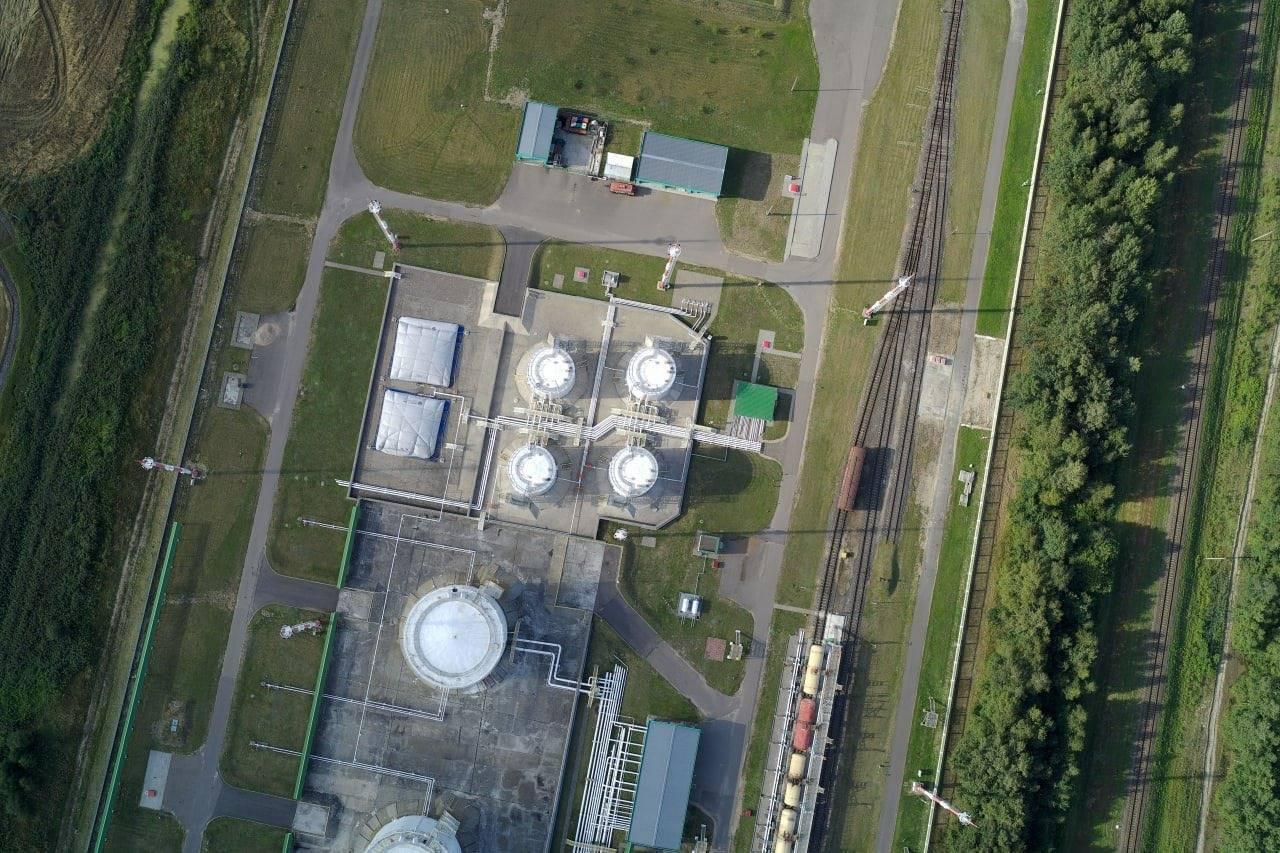
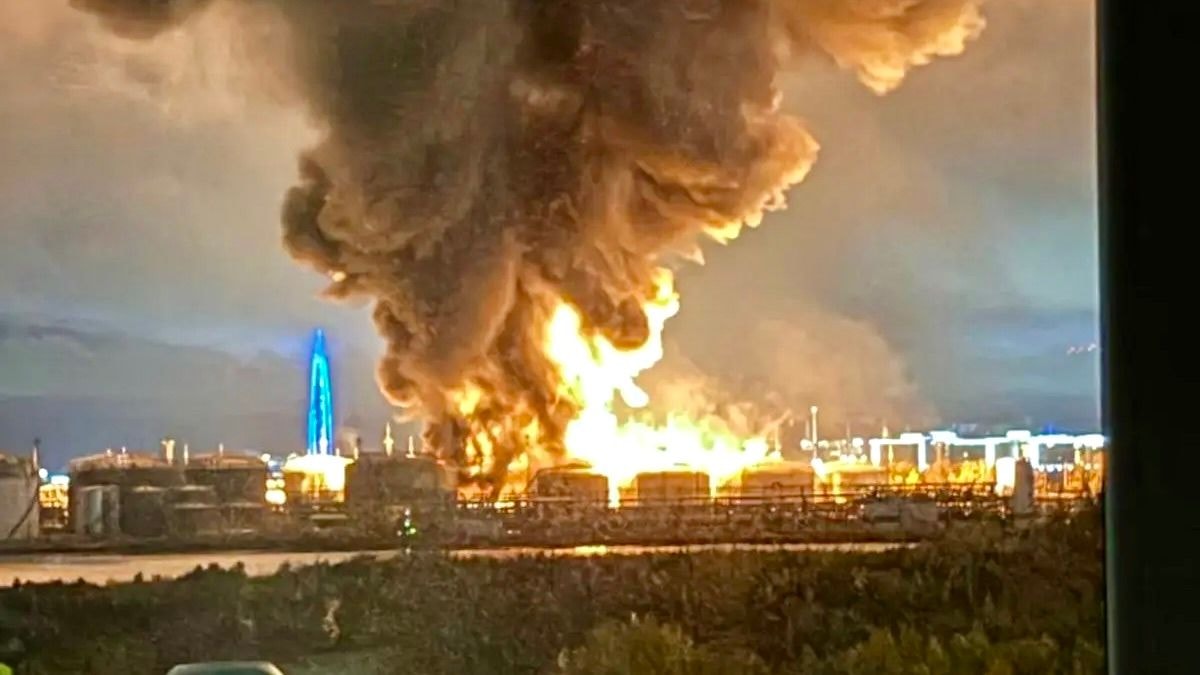
The oil depot in Pryluki, Belarus (Source: National Resistance Center)

Russian and Belarusian special forces plan a false flag attack on Belarusian territory that they intend to blame on Ukraine, the National Resistance Center reported on Oct. 10.

The center alleges that the plot involves a drone dropping munitions on an oil depot in the town of Pryluki, by the Polish-Belarusian border, a provocative move likely aimed at increasing support for the war in Belarus.

Belarusian underground sources also added that members of the Wagner Group had been involved in the plot earlier in the year, and had conducted reconnaissance on possible targets.

On Aug. 4, Ukraine's Security Service reported on another false flag plot in Belarus, also involving critical infrastructure. The details of the plot were similar - an attack would be carried out on the Mozyr oil refinery, which would then be attributed to Ukraine.

Belarus allowed Russian troops to use its territory as a base to invade Ukraine at the beginning of the full-scale war, especially for their failed offensive on Kyiv. Russian forces have also used Belarusian territory to launch missiles and drones at Ukraine.

Despite this, the Belarusian military has not officially joined Russia's war against Ukraine, they have nonetheless routinely conducted military exercises during the war, as well as engaging in aggressive actions that antagonize its neighbors, such as sending Belarusian helicopters into Polish airspace on Aug. 1.

Avatar
Nate Ostiller

News Editor

Nate Ostiller is a former News Editor at the Kyiv Independent. He works on special projects as a researcher and writer for The Red Line Podcast, covering Eastern Europe and Eurasia, and focused primarily on digital misinformation, memory politics, and ethnic conflict. Nate has a Master’s degree in Russian and Eurasian Studies from the University of Glasgow, and spent two years studying abroad at Kyiv-Mohyla Academy in Ukraine. Originally from the USA, he is currently based in Tbilisi, Georgia.

Read more
News Feed

During a meeting with Energy Minister Denys Shmyhal on July 12, President Volodymyr Zelensky stressed the need to take additional "more decisive" steps to protect Ukraine's energy infrastructure and emphasized the importance of robust winter preparedness plans for communities and regions.

 (Updated:  )

Yulia Svyrydenko, who replaced former Prime Minister Denys Shmyhal in July 2025, will now take on a new role leading cooperation with Ukraine’s key partners, Zelensky announced on social media.

Video

Once promoted by the Kremlin as a symbol of Russia’s resurgence and a premier tourist destination, the peninsula now faces mounting pressure from Ukrainian drone strikes targeting military infrastructure, logistics, and supply routes.

President Volodymyr Zelensky said on July 11 that he is preparing changes to Ukraine’s “diplomatic efforts” to accelerate weapons deliveries from allies, as Ukraine's stockpile of Patriot air defense missiles has run dry.

Show More