Middle East tensions surge as Iran vows revenge, launches widespread retaliatory strikes
 on Google

Editor's note: The story has been updated with the latest details.
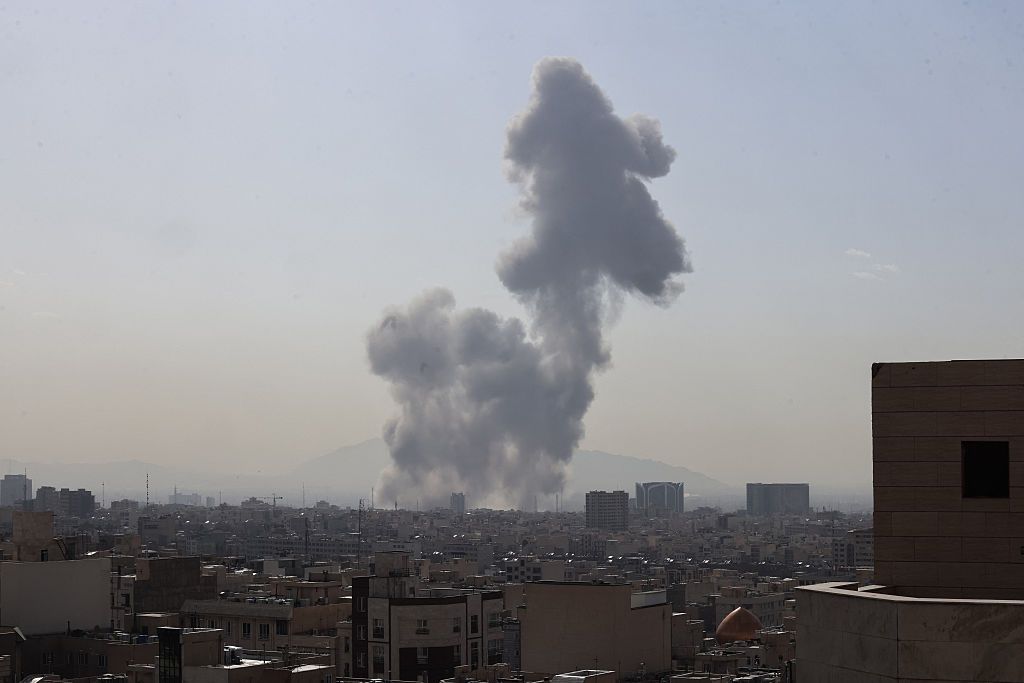
Iranian officials and state media vowed sweeping retaliation after U.S. and Israeli strikes targeted senior leadership and military sites on Feb. 28, warning that a major response against both countries was imminent.
Iran's Islamic Revolutionary Guard Corps said that "the most intense operation against Israel and the United States is set to begin," while state outlets warned that "revenge is coming."
The warning comes as Iranian state media confirmed that Iran's Supreme Leader Ayatollah Ali Khamenei was killed amid Israeli-U.S. strikes.
U.S. President Donald Trump has warned Iran against carrying out retaliatory attacks, saying: "THEY BETTER NOT DO THAT, HOWEVER, BECAUSE IF THEY DO, WE WILL HIT THEM WITH A FORCE THAT HAS NEVER BEEN SEEN BEFORE!"
Tehran has already launched several rounds of ballistic missiles and drones toward Israel as well as areas hosting U.S. forces across the Middle East.
A U.S. airbase near Erbil in Iraq was struck, with footage and local reports indicating an explosion at the site.
Across the Gulf region, missiles and drones targeted military facilities, international airports, and strategic infrastructure in multiple countries, causing injuries and damage despite interceptions by air defense systems. Dubai, Zayed (Abu Dhabi), and Kuwait airports were damaged following separate attacks.
A French military base in Abu Dhabi was also struck, though French Defense Minister Catherine Vautrin reported that damage was "limited."
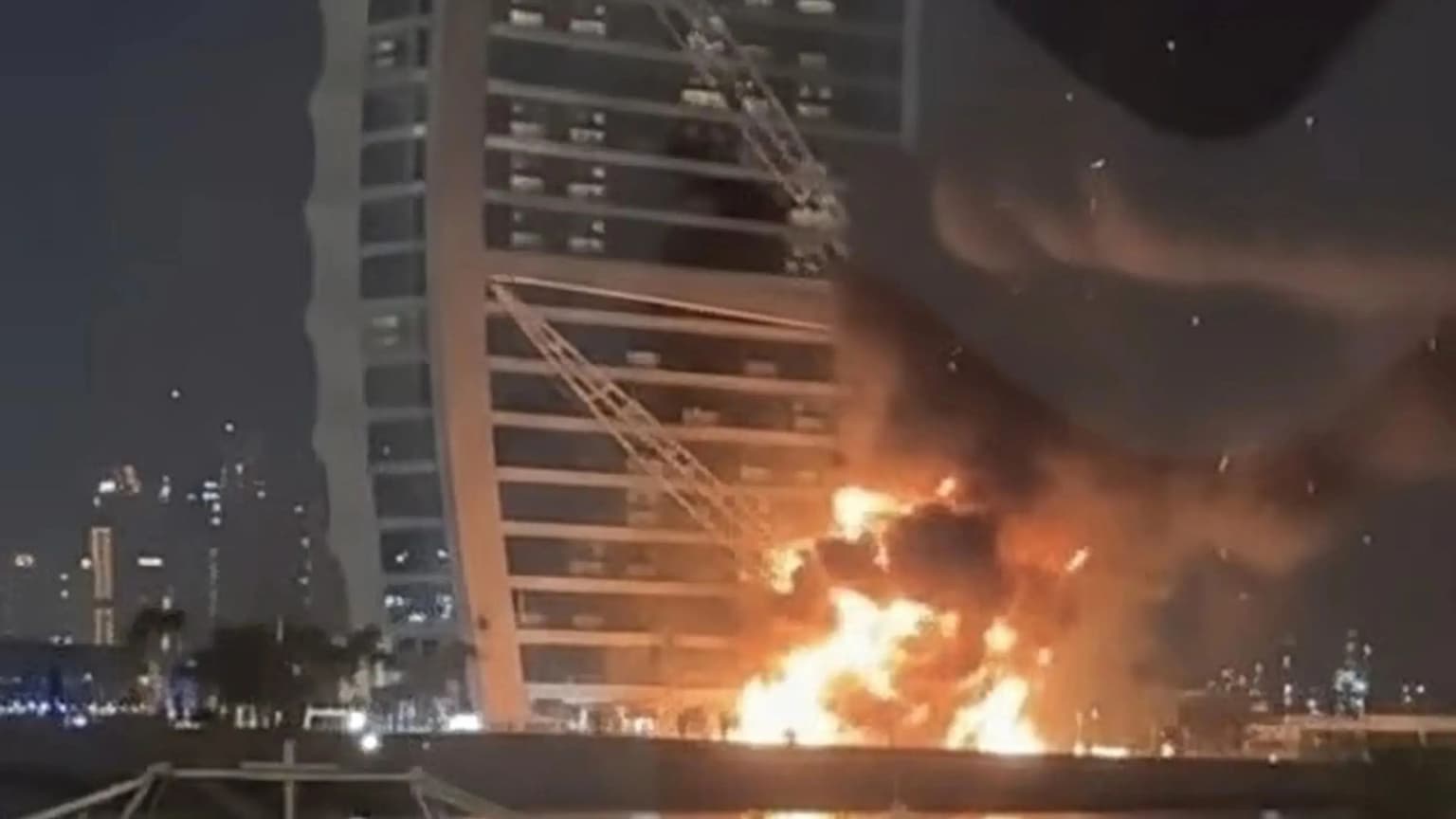
Civilian sites were also affected, including a high-rise residential building in Bahrain and luxury properties in Dubai, where drone debris reportedly struck buildings on or near major landmarks, including the Burj Al Arab.
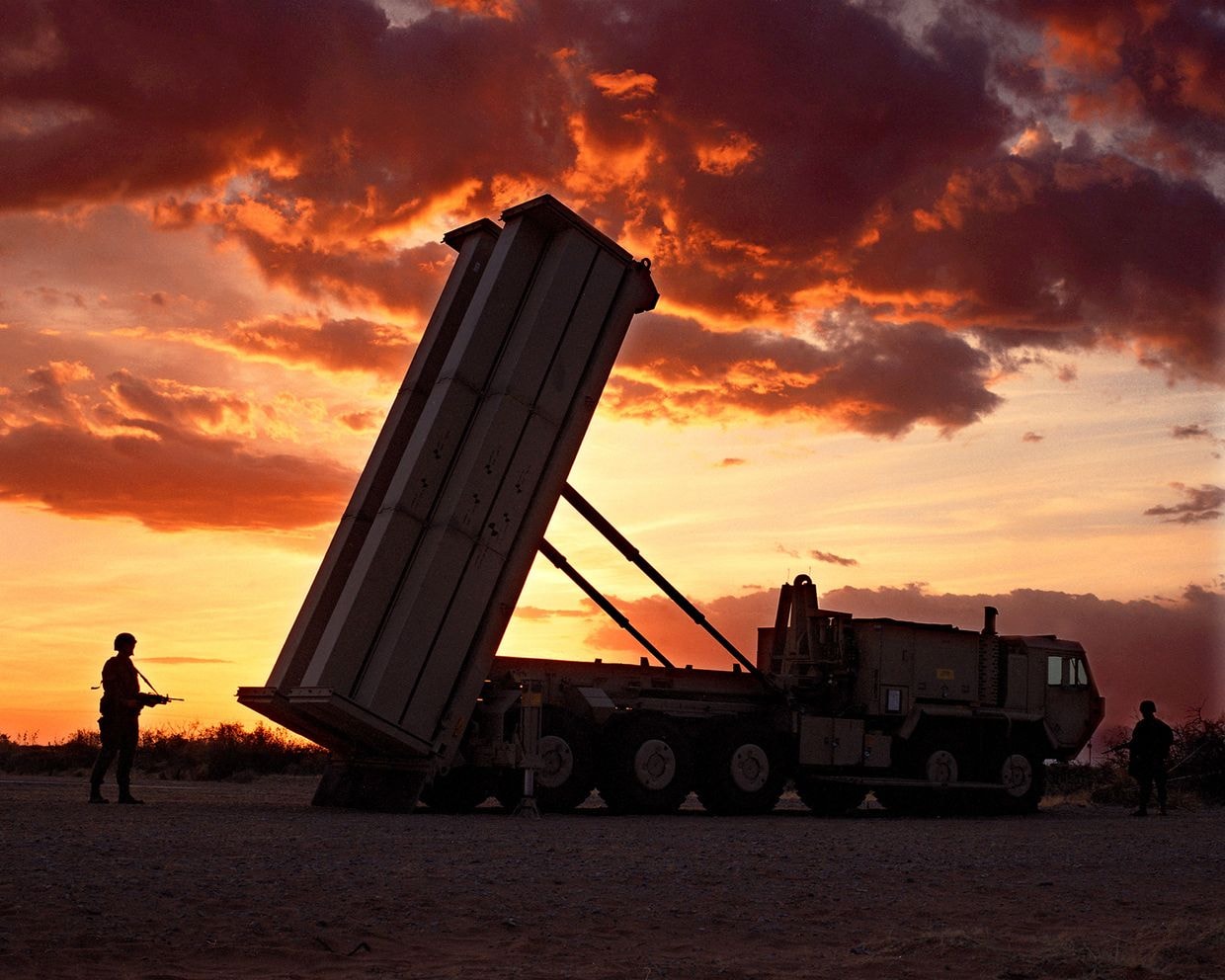
Qatar said it intercepted several missiles reportedly aimed at al-Udeid Air Base, the largest U.S. base in the Middle East.
Airlines across the Middle East have since canceled or rerouted flights as airspace risks intensified.
At the same time, the U.S. and Israel launched another wave of strikes on the morning of March 1, with the Israel Defense Forces reporting attacks on the "heart of Tehran."
Iranian officials framed Tehran's attacks as the beginning of a broader response, warning that further strikes would continue unless what they described as "aggression" by the U.S. and Israel stops, raising fears of a rapidly widening regional conflict.