$325 million — that's how much it cost Russia to bomb Ukraine in latest missile, drone attack, HUR says
 on Google
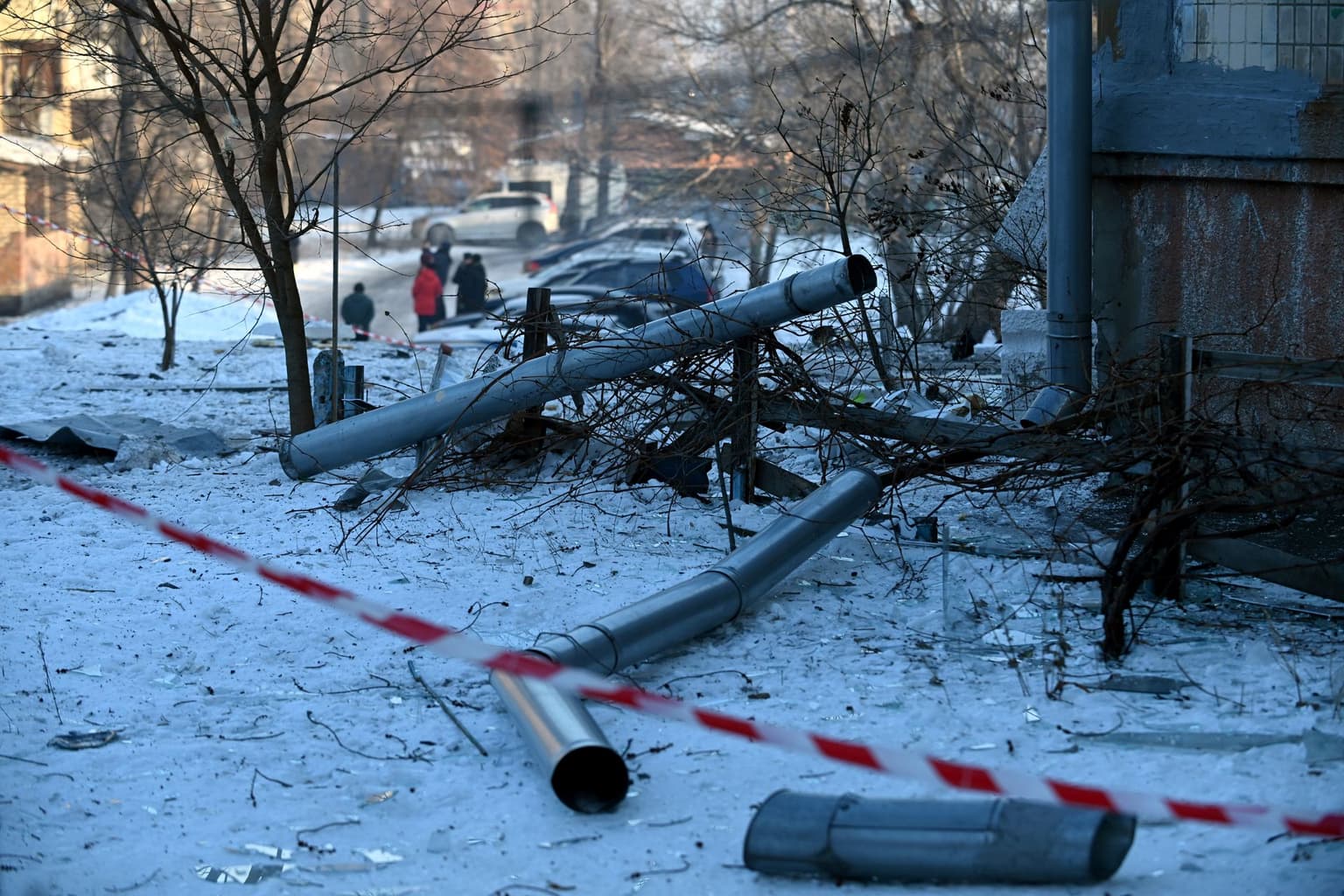
Russia spent $325 million on the Feb. 3 mass missile and drone attack on Ukraine's energy infrastructure, Ukraine's military intelligence (HUR) said on Feb. 4.
On Feb. 3, Russia launched one of the largest attacks this winter, firing 71 missiles and 450 drones, including nearly 300 Shahed-type drones, at Ukraine overnight, according to the Air Force.
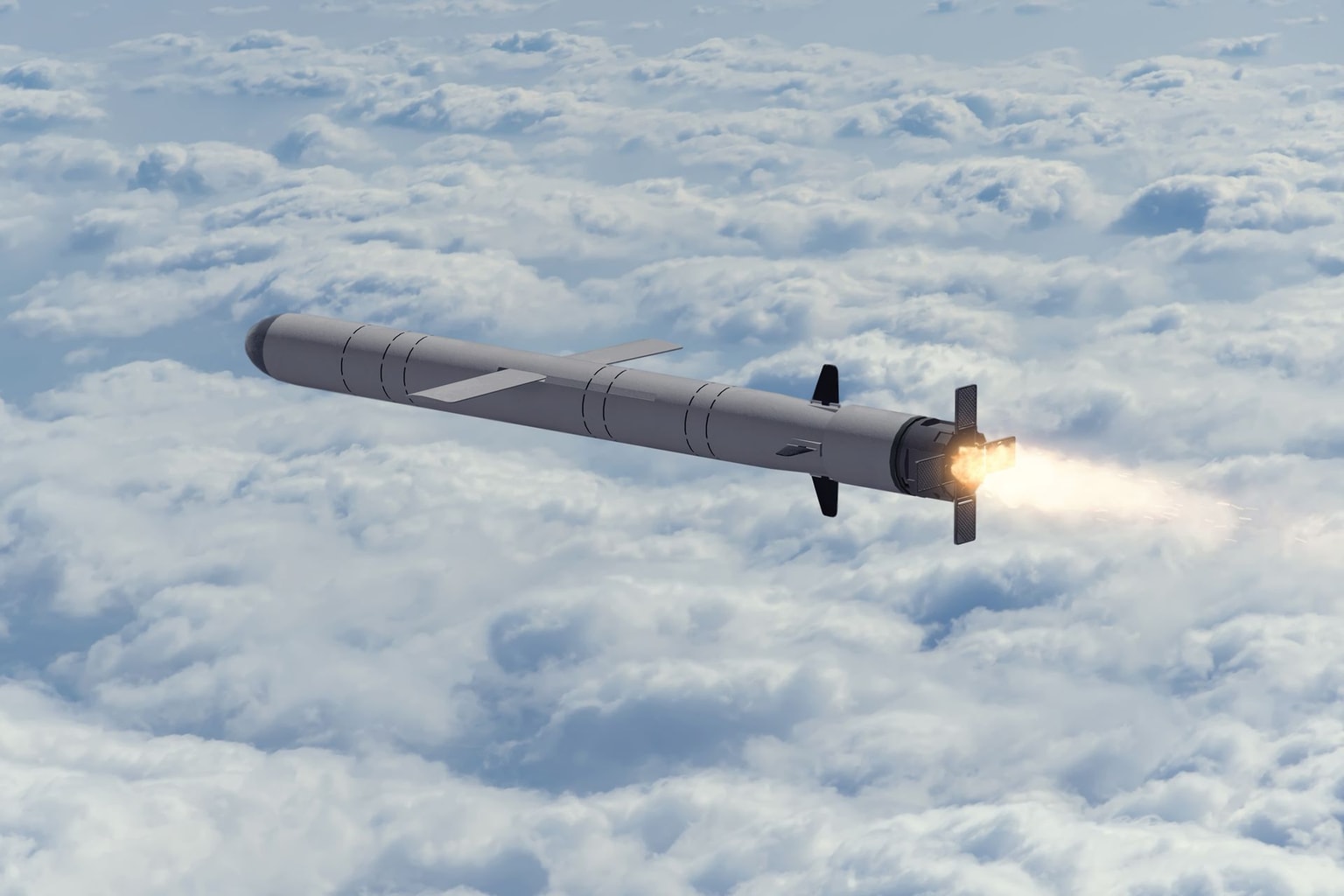
Among the long-range weapons Russia used in the attack were Iskander ballistic missiles, X-101 cruise missiles, repurposed naval Zirkon missiles, and RM-48U dummy missiles originally used in training Russian anti-air defense systems like the S-400, according to HUR.
HUR said the total cost of the weapons used was $324.8 million, exceeding the amount spent during the large-scale strike on Jan. 20 by over $190 million. According to HUR, 79.2% of the funds were "wasted," as Ukrainian air defenses intercepted 450 air targets.
These funds could have financed Russia's Jewish Autonomous Oblast, with a population of about 144,000, for "an entire year," or the city of Kaluga, with a population of over 320,000, HUR said.
"Instead of improving living conditions and developing infrastructure in its own regions, the Kremlin spent this money on strikes against Ukraine's civilian infrastructure... For the sake of continuing to finance the war machine, Moscow is forced to raise taxes and excises and cut outlays on the social sphere and government investment projects alike," HUR added.
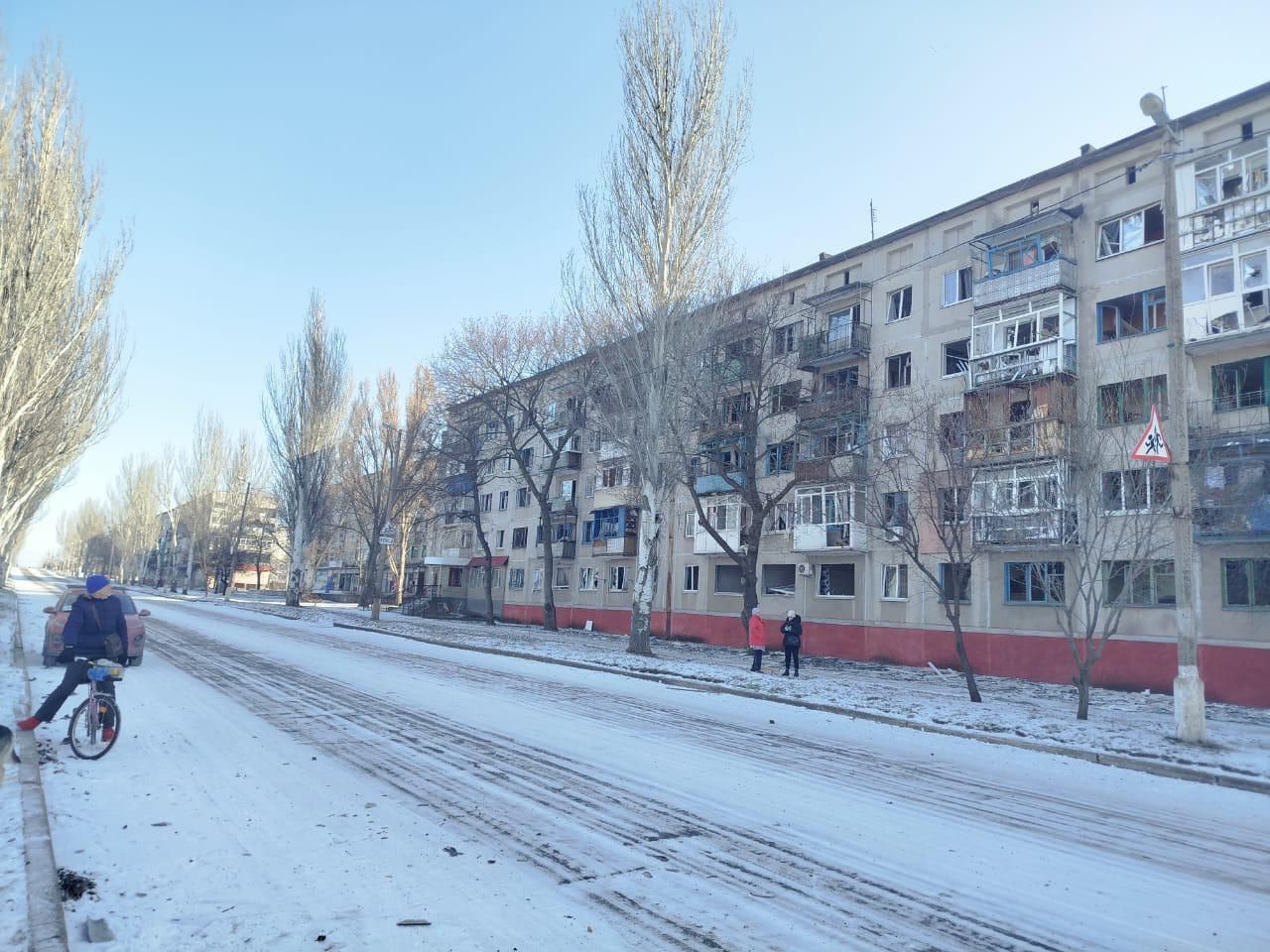
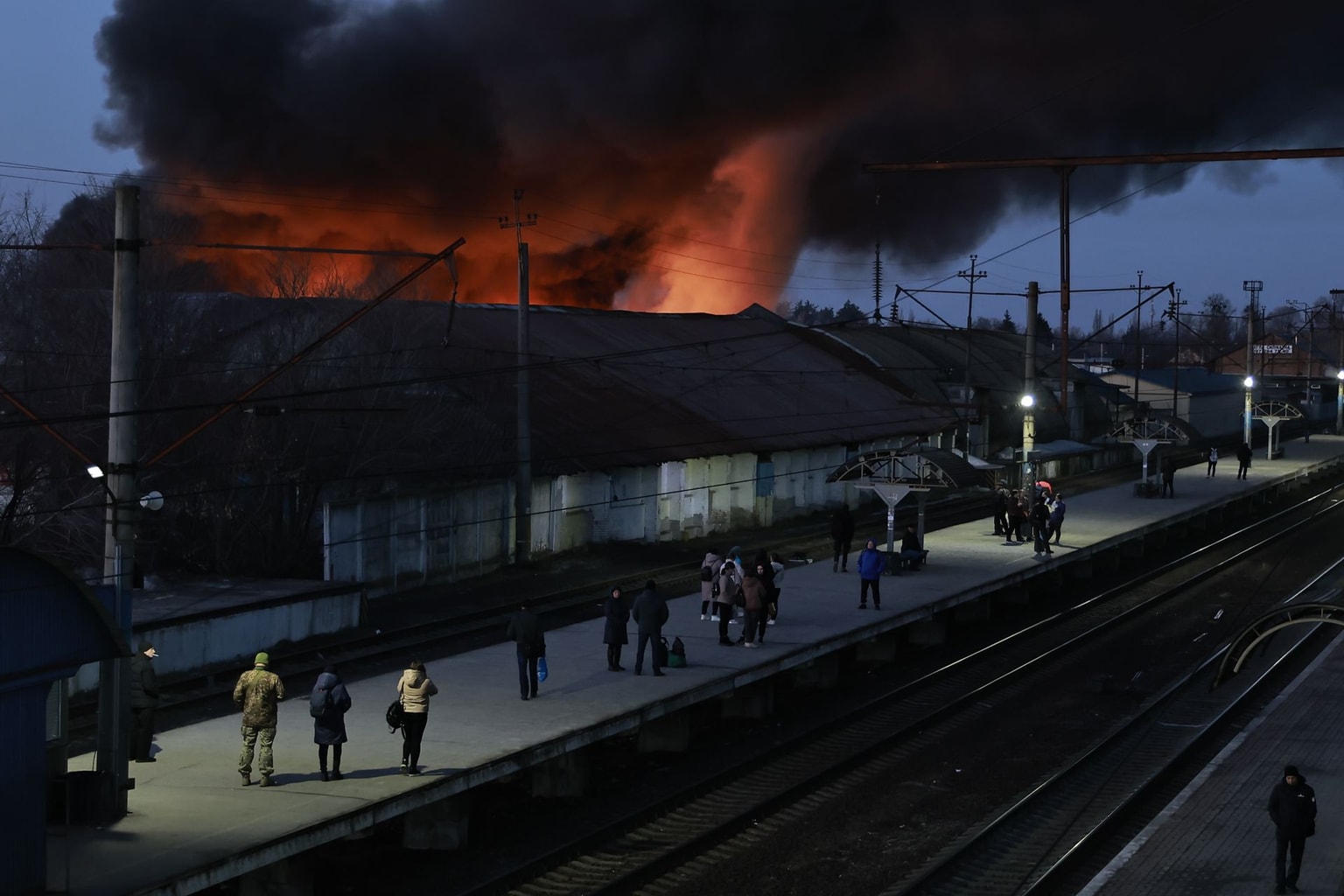
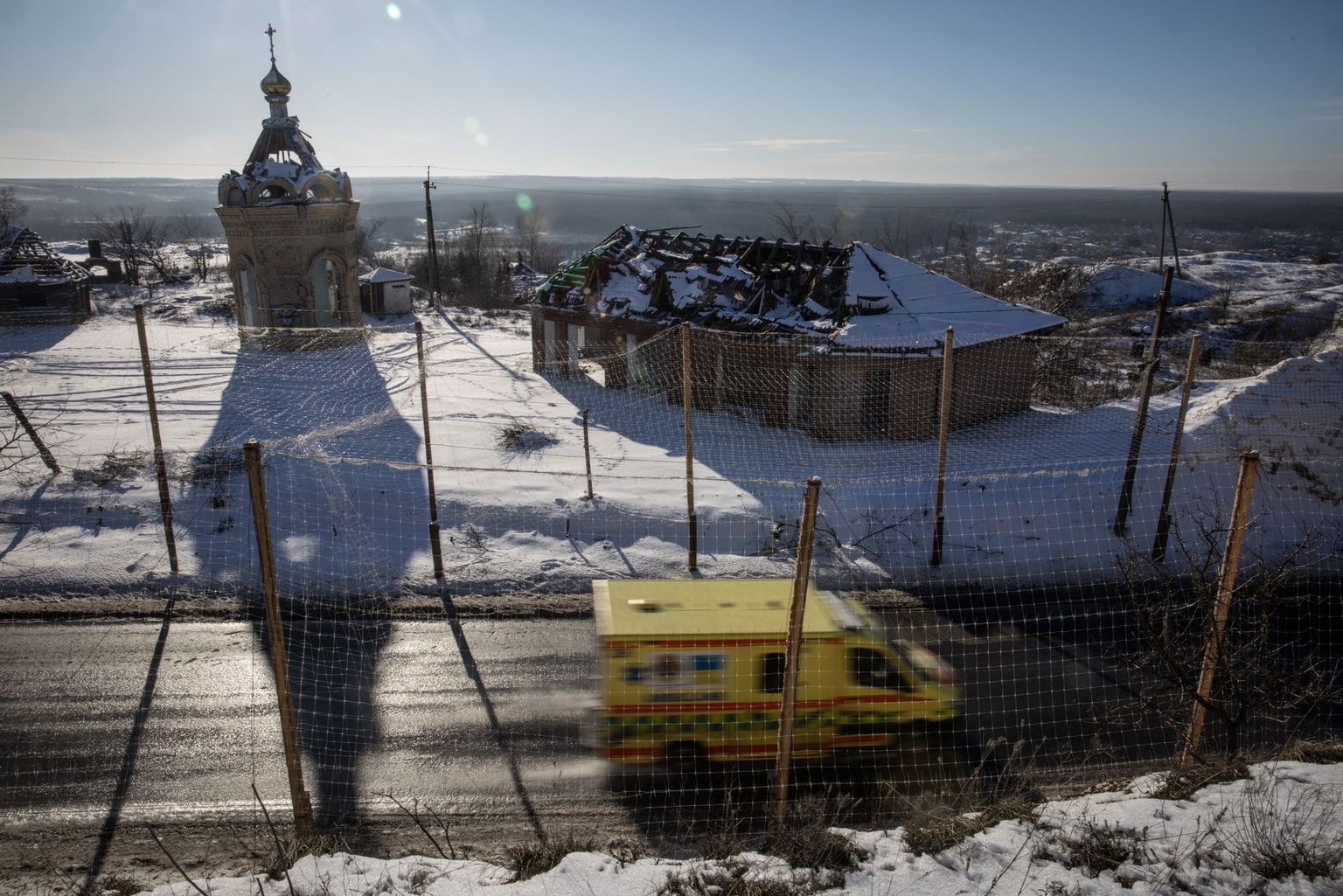
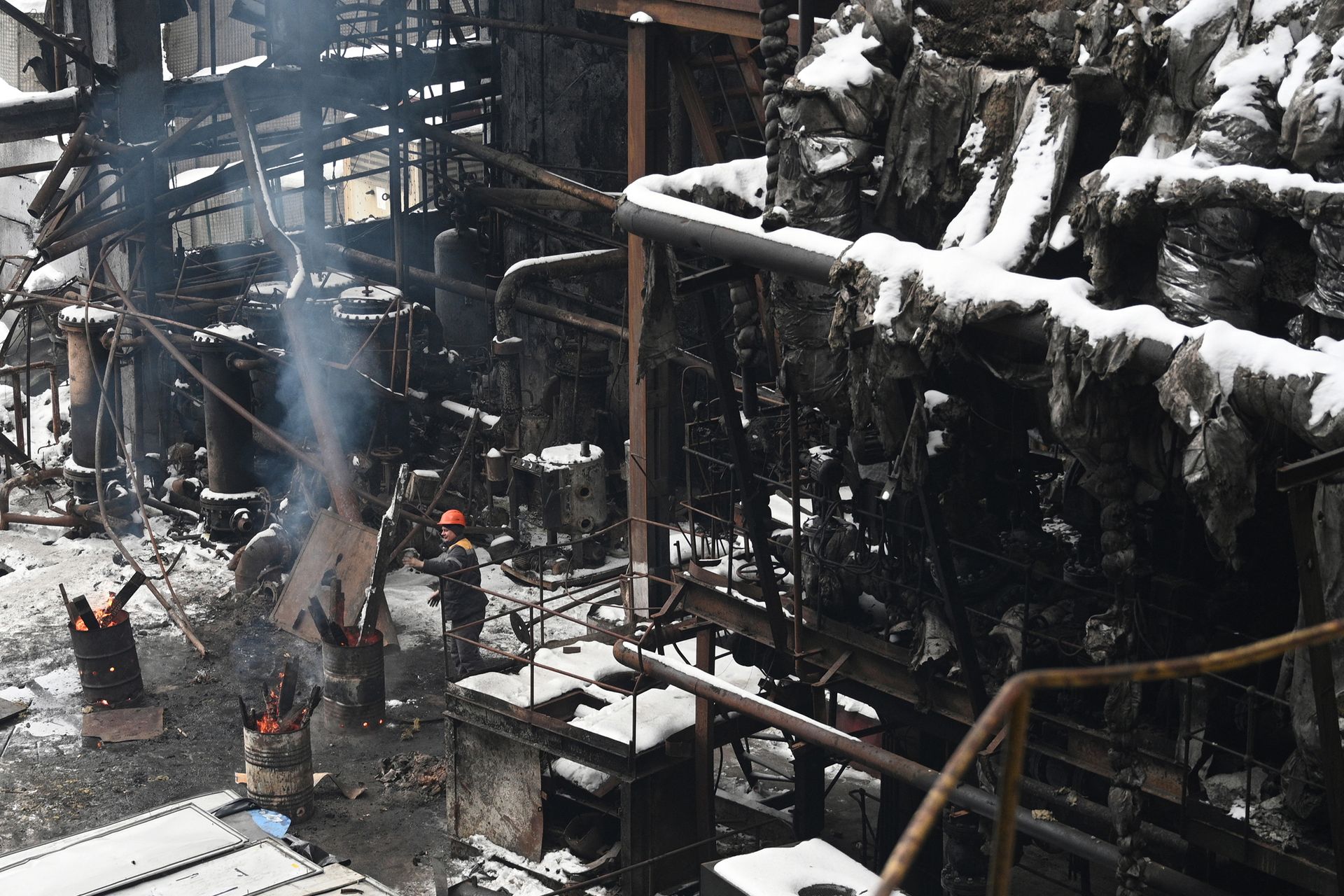
Russia's latest mass attack on Ukraine's energy infrastructure caused "some of the worst damage we have seen" during the full-scale war, authorities have said.
Energy Minister Denys Shmyhal reported on the evening of Feb. 3 that the power generation facilities and transmission and distribution networks in several oblasts were damaged.
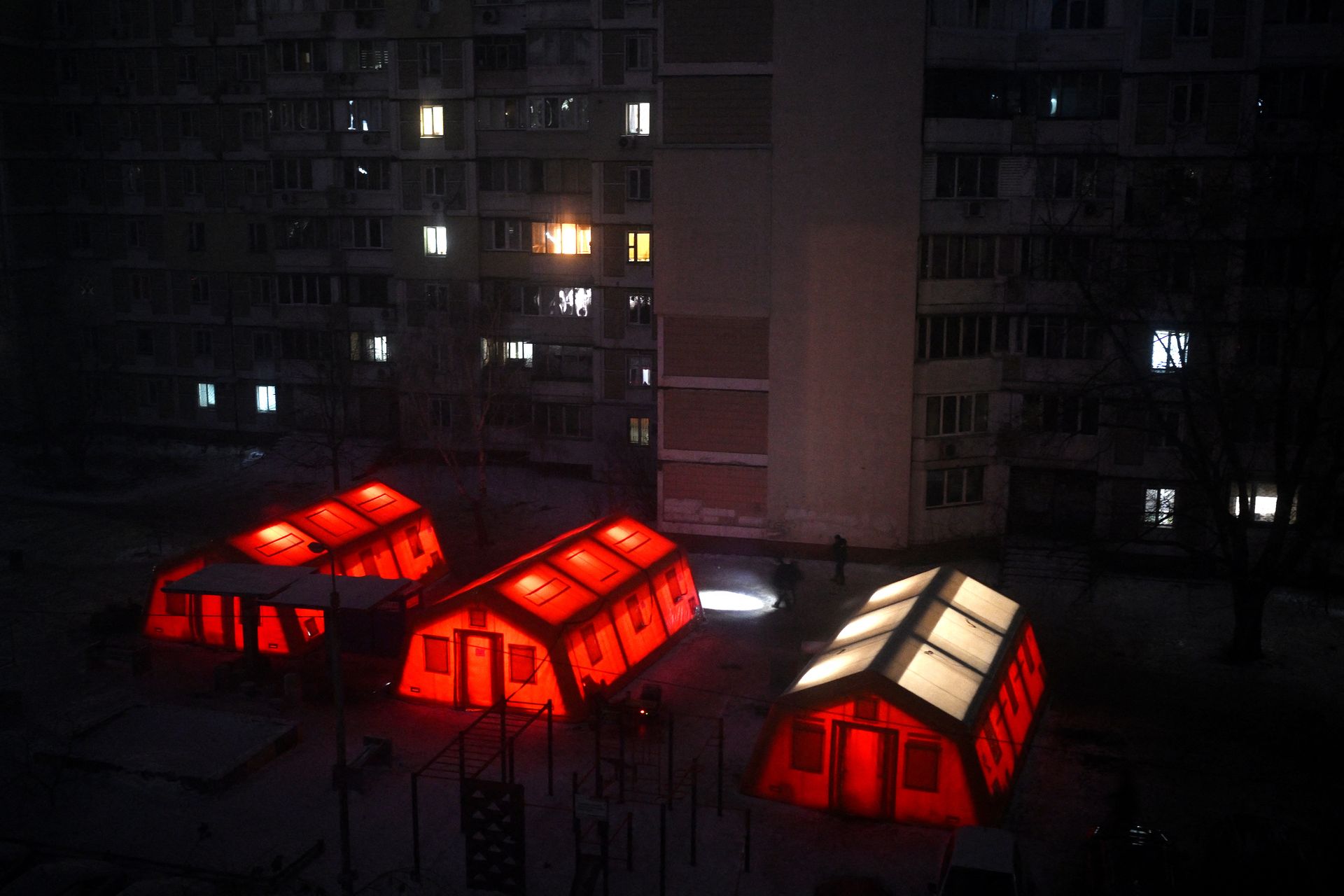
According to Shmyhal, the situation is "complicated," and energy companies are enacting emergency power cuts, with additional generators deployed in critical areas.
On Jan. 15, the SBU said it has collected evidence showing that Russia's strikes on Ukraine's energy infrastructure are part of a systematic policy aimed at destroying the civilian population, which amounts to "crimes against humanity."
The second round of trilateral talks in Abu Dhabi among Russia, Ukraine, and the United States to end Moscow's war began on Feb. 4, only a day after Russia launched its most massive strike against Ukraine this winter, as Moscow resumes its campaign aimed at knocking out the country's power grid.
read also
 Yuliia Taradiuk
 Dominic Culverwell
 Francis Farrell