Trump-aligned movement fractures as wars in Ukraine, Iran expose ideological divide
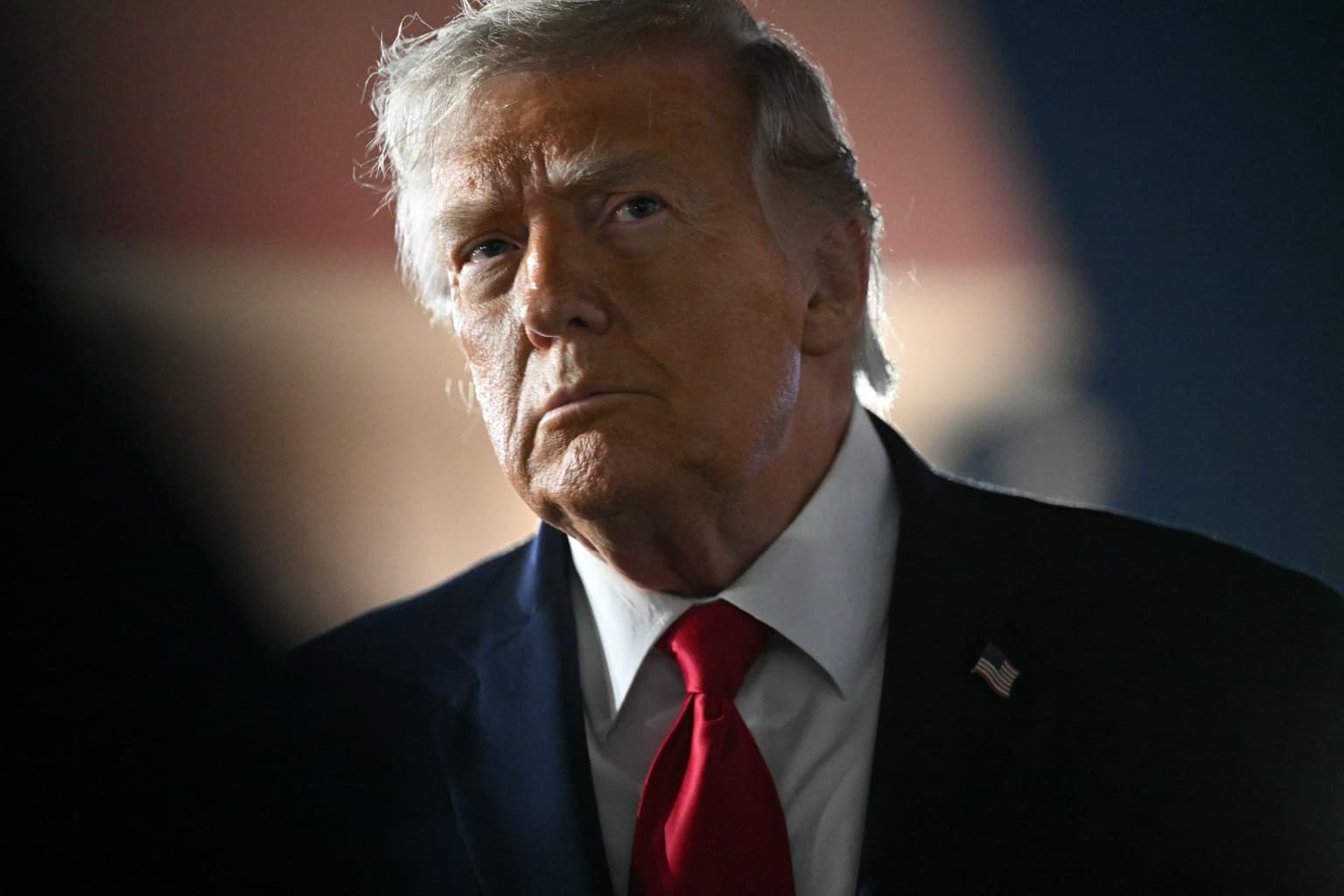
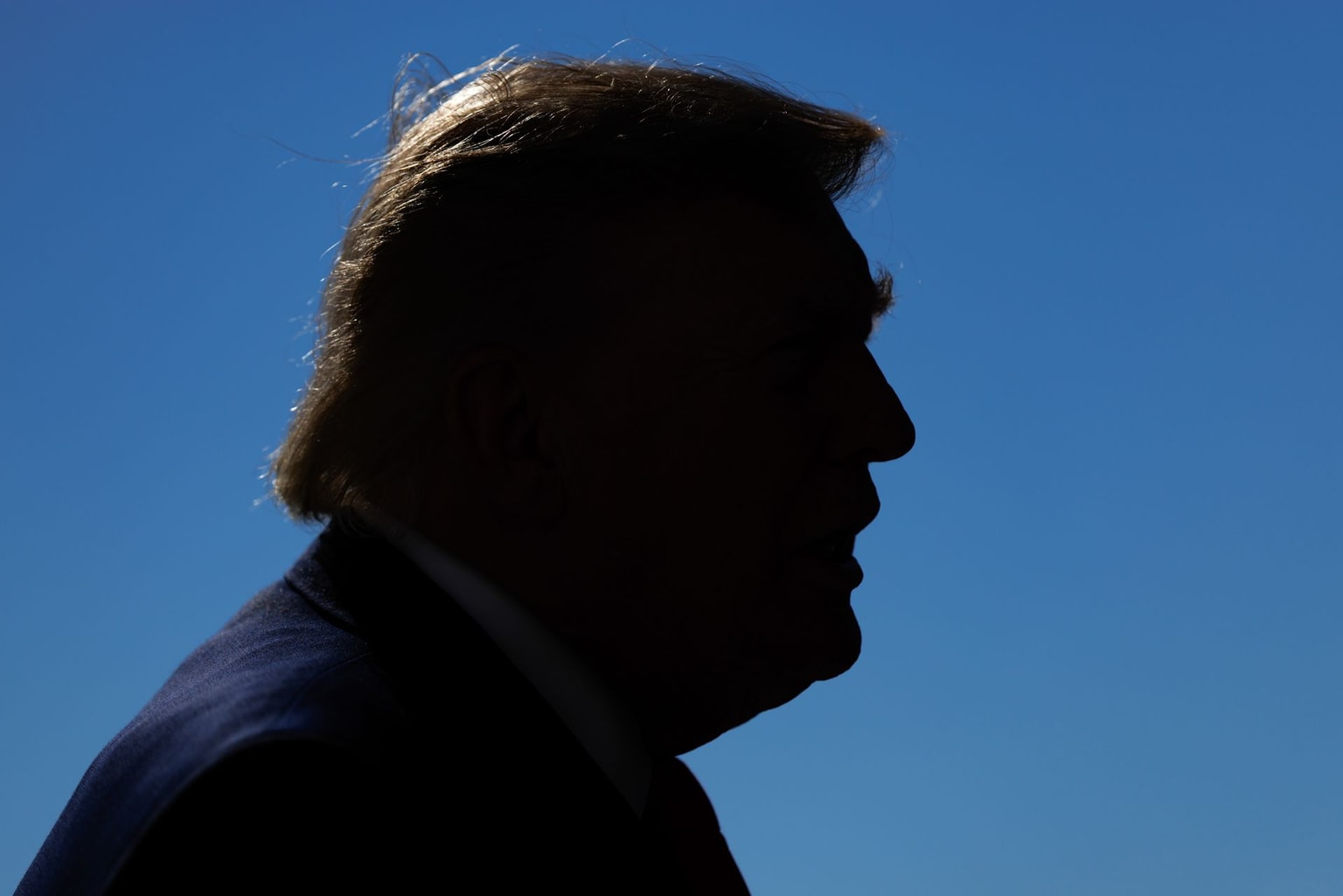
U.S. President Donald Trump in New York, U.S., on June 9, 2026. (Saul Loeb / AFP / Getty Images)
 on Google
A widening split inside the online pro-Trump political ecosystem is exposing a growing ideological fracture over U.S. foreign policy, particularly America's war against Iran and Russia's all-out assault on Ukraine.
What some analysts and participants describe as a "MAGA civil war" has emerged as a visible rupture within the American conservative movement, dividing former allies of U.S. President Donald Trump who have turned sharply critical of his foreign policy positions from those who remain aligned with him.
American journalist and commentator Michael Weiss describes the breakaway group as the "conspiratorial wing of MAGA," a faction he says includes former Fox News host Tucker Carlson, commentator Candace Owens, conspiracy theorist Alex Jones, former Fox News anchor Megyn Kelly, and former Congresswoman Marjorie Taylor Greene.

"They have decided that U.S. foreign policy after the Oct. 7 attack, Gaza, and Iran can only be explained by Trump having fallen under the sway of Prime Minister Benjamin Netanyahu and a certain ethnic group," Weiss told the Kyiv Independent. "This group has long been anti-Ukraine and pro-Russia, but now they're also anti-Trump because they oppose Israel and he's the first U.S. president to have gone to war alongside Israel."
The split has played out across podcasts, social media platforms, and international events, where figures once firmly associated with Trump's political rise have increasingly broken from him or reframed his foreign policy positions as a betrayal of "America First" principles.
One of the most visible figures in that breakaway cohort has been Owens, who recently appeared as a featured American guest at Russia's attempted alternative to Davos, where she was received warmly by attendees and echoed themes long associated by critics with Kremlin messaging.

"The Russians see the defectors from Trump's movement — such as Owens, Carlson, and Marjorie Taylor Greene — as a political insurgency worth cultivating because rapprochement with the U.S. has failed and Ukraine is not only surviving but thriving," Weiss said.
Ahead of the event, Owens posted on social media praising Moscow as "clean, beautiful, and ordered," and said, "The Christian expression and heritage here is unmatched," while visiting the Main Cathedral of the Russian Armed Forces, a recently built complex honoring Russia's military.
"Russia is significantly behind the operation to destroy MAGA from within."
Trump himself has responded sharply to criticism from former allies. "I know why Tucker Carlson, Megyn Kelly, Candace Owens, and Alex Jones have all been fighting me for years," he posted on Truth Social on April 9. "Because they have one thing in common, Low IQs. They're stupid people, they know it, their families know it, and everyone else knows it, too!"
Carlson, once one of Trump's most prominent media supporters, has since become one of his most visible critics, accusing him of being an "enthusiastic tool of the government of Israel," while also hosting pro-Russian commentators and conducting an interview with President Vladimir Putin in Moscow.

Opposing what Weiss calls the "conspiratorial wing" are figures who remain aligned with Trump but are increasingly vocal about what they describe as foreign influence shaping parts of the American right.
Those include Ben Shapiro, Laura Loomer, Glenn Beck, and James Lindsay.
Shapiro said on his program on June 4: "These are people that are using the power of American free speech in order to literally side with America's enemies. Russia is not shy about this, they are very very clear about what they are trying to do. And morons or perverse people either fall for it or join in."
Lindsay, on his part, wrote on X on Nov. 16: "Some of us have been telling you for about a year (and paid extremely heavy prices for it) that Russia is significantly behind the operation to destroy MAGA from within."

Loomer, who previously expressed more sympathetic views toward Russia, posted on June 2: "This week it hit me hard just how much Russian propaganda we have been subjected to on the right for the last 5 years. It truly is propaganda, and I should have detected this much sooner."
And as the ideological split widens, Russia's war in Ukraine has become the new divide.
While Owens traveled in Russia, Loomer dispatched a correspondent to Kyiv. "Putin cannot win on the battlefield. So what does he do? He kills civilians indiscriminately, hoping to break the back of the Ukrainian people. He will fail," Loomer's ally Andrew Moore posted on X.
"It was incredible visiting Kyiv and Odesa, seeing the innovation and the resilience of the Ukrainian people, and how beautiful these cities are," Moore told the Kyiv Independent in an interview as he returned to the United States.
Moore argued that conservatives should, in principle, be more receptive to supporting Ukraine given its social conservatism and wartime alignment with Western security interests.
During the war with Iran, he said, "our NATO allies did not step up. And the fact that Ukraine did step up and Ukrainians did fight with Americans during the global war on terror, of course, I think is huge."
Steven Moore, an ex-Republican staffer not related to Andrew Moore who has worked extensively in Ukraine, said conservative messaging is critical to shaping opinion on the right.
"Hearing the truth about Russia from conservative voices matters," he said, arguing that when only liberal outlets challenge pro-Russian narratives, they fail to reach Republican audiences effectively.
"When conservatives are presented with accurate information about Russia and Ukraine… support for Ukraine rises considerably," he said.
It remains unclear whether the emerging split will translate into sustained policy changes or increased U.S. aid for Ukraine.
But political realignments are already visible. Representative Thomas Massie, an anti-interventionist Republican aligned with Marjorie Taylor Greene, recently lost a primary challenge to a Trump-backed candidate. Tulsi Gabbard is also set to step back from a senior intelligence role after months of internal political marginalization.
Even so, influence within Trump's orbit remains fluid, with outside figures periodically shaping personnel and messaging decisions.
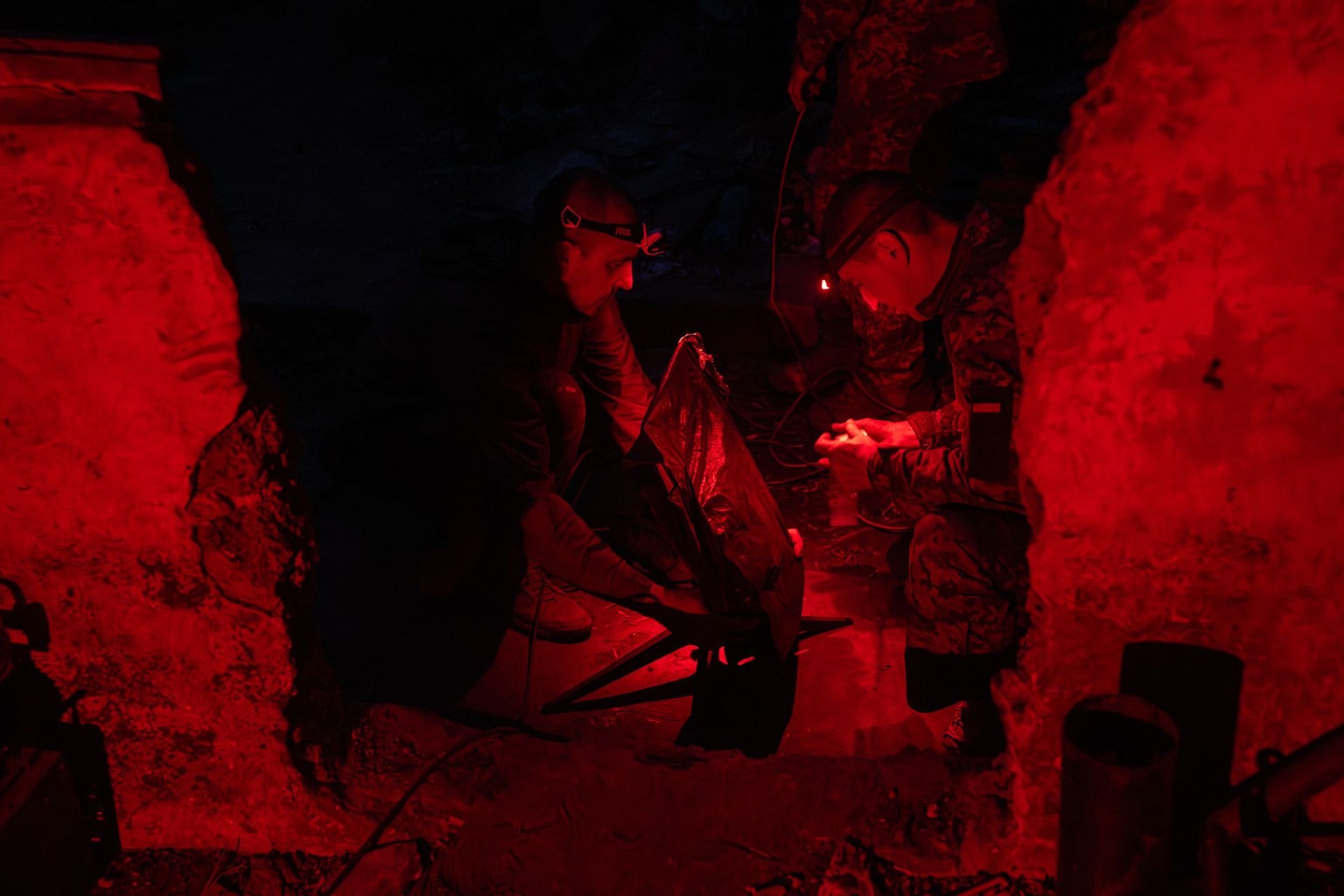
"US intelligence is still playing an important role supporting the Ukrainian military," Rob Lee, senior fellow at the Foreign Policy Research Institute, told the Kyiv Independent. "And Ukraine's increasingly effective middle-strike campaign has been made significantly more potent by the use of key American technologies; Starlink and Eric Schmidt's 'Hornet' loitering munitions."
He added that Ukraine continues to gain ground even without new U.S. weapons shipments.
Some analysts argue that decoupling Ukraine support from partisan identity could be decisive in shaping future Republican policy.
"The Republican Party itself belongs to President Trump," Andrew Moore said. "The president has a lot of leeway to make decisions in this space and lead his party."
Meaghan Mobbs, president of the R.T. Weatherman Foundation and daughter of former U.S. Special Envoy Keith Kellogg, argued that ideological shifts among conservatives should not be dismissed.
"Ukraine does not benefit from purity tests," she said. "That may earn applause on social media, but it does nothing for Ukraine. It benefits when more Americans understand the truth. If someone changes their mind, that is a victory, not an offense."