Kyiv shares details of Russian attack on Druzhba pipeline as Hungarian 'inspection' team returns home
 on Google
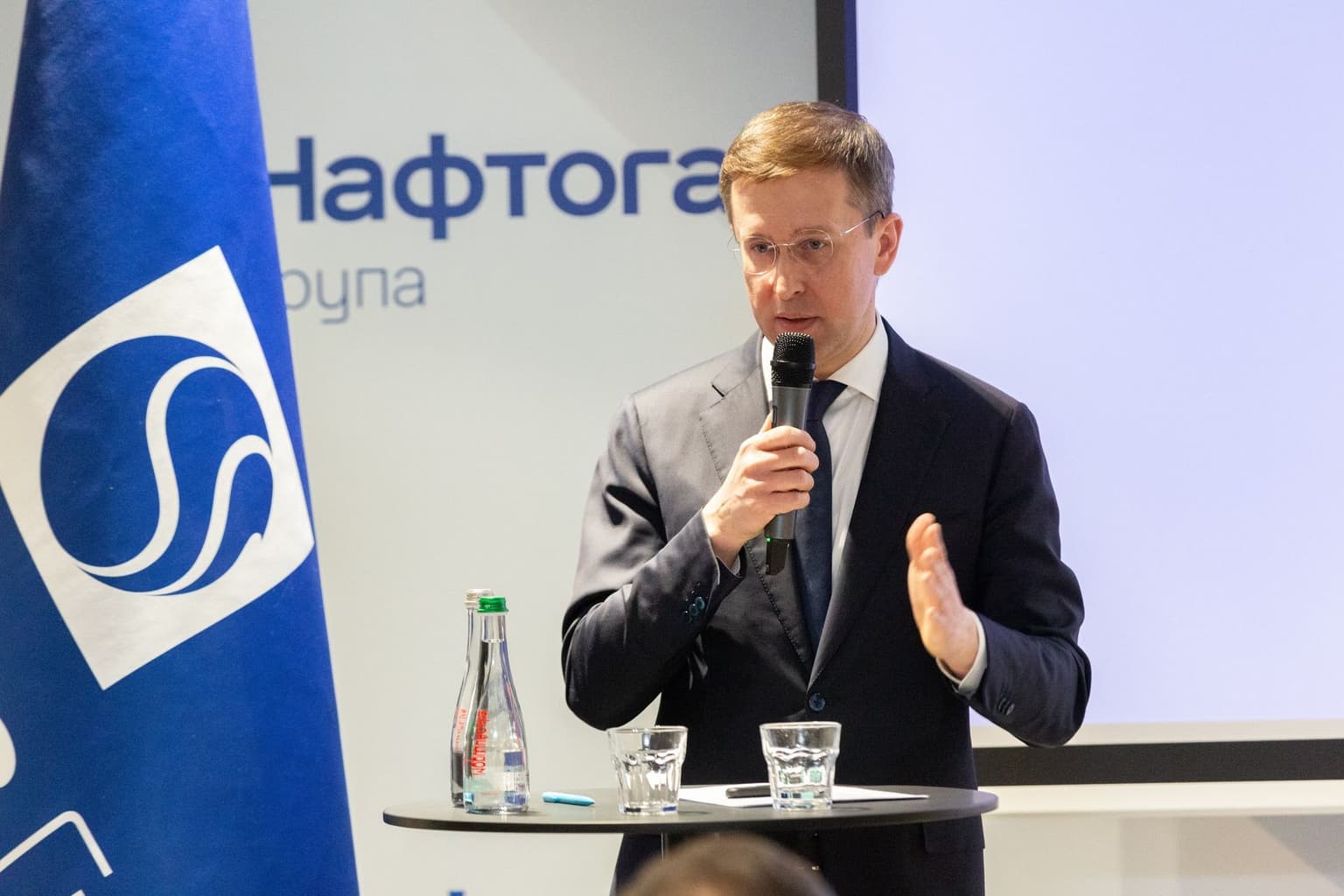
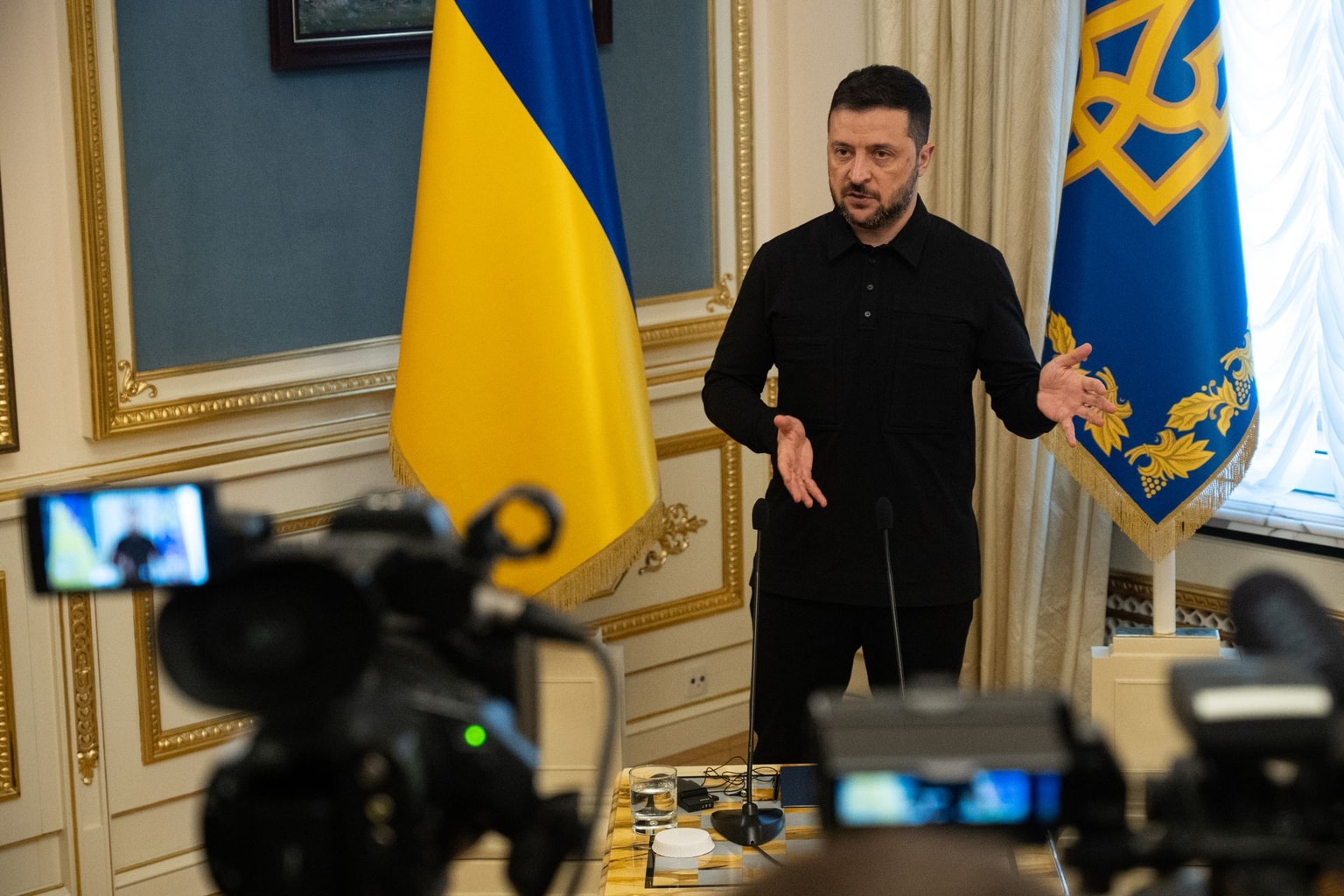
Ukraine's state oil and gas company Naftogaz, in partnership with the Foreign Ministry, held a briefing for ambassadors of 31 countries on March 14 to share details about the damage to the Druzhba pipeline.
The briefing comes amid an escalating dispute between Kyiv and Budapest over the Ukrainian section of the pipeline, which delivered Russian crude to Hungary and Slovakia before it went offline in late January. Ukraine said the pipeline was damaged in a Russian attack, a claim Hungary denies.
Ukrainian Deputy Foreign Minister Yevhen Perebyinis and Naftogaz CEO Serhii Koretskyi briefed diplomats from 31 countries, including Hungary, about the consequences of Russia's Jan. 27 attack, according to a Naftogaz press release.
Specialists from Naftogaz reportedly presented technical information, including materials from the attack site, to provide a "comprehensive picture" of the damage caused to the Druzhba pipeline and its impact on the system's operations.
"Restoring such infrastructure is a complex technological process that requires time, specialized equipment, and the continuous work of teams even under constant threat," Koretskyi said.

The briefing follows the arrival of a Hungarian delegation that was sent to Kyiv in search of evidence that the Druzhba pipeline remains operable. The team arrived in Kyiv on March 12, led by Gabor Czepek, the state secretary of Hungary's Energy Ministry.
Ukraine's Foreign Ministry said the visit had not been coordinated with Kyiv and that the Hungarian team has no official status or scheduled meetings with Ukrainian officials.
In a video conversation between Czepek and Hungarian Prime Minister Viktor Orban posted to Facebook on March 14, the officals admit that the Budapest team was not allowed to enter the Druzhba pipeline to carry out their "inspection."
Orban still declared the mission a success, saying the team's arrival "set the machine in motion" and prompted Naftogaz to hold their briefing.
"We forced the Ukrainians to take action," Orban said. He then ordered Czepek and his team to return to Hungary.
Orban, widely seen as the most Kremlin-friendly leader in the European Union, has accused Kyiv of deliberately suspending the Druzhba pipeline to "blackmail" Hungary. In retaliation, he has blocked the EU's 20th sanctions package against Russia and the 90-billion-euro ($107-billion) EU loan to Ukraine.
Koretskyi said at the briefing that Russia's strike on Jan. 27 caused "significant damage" to the Druzhba pipeline. He also shared additional details about Russia's campaign against Ukraine's energy infrastructure.
Russia has carried out over 400 attacks on Naftogaz facilities since the start of the full-scale invasion, he said. In 2026 alone, there have already been more than 30 attacks — including an overnight missile and drone strike on March 14 that targeted Kyiv and the surrounding region.
In his video call with Orban, Czepek admitted that it was a "difficult" night for the Hungarian team in Kyiv, as air defenses repelled Russian attacks throughout the night.