Key Russian terminal exported $8.4 billion of LNG to Europe in 2025, watchdog finds
 on Google
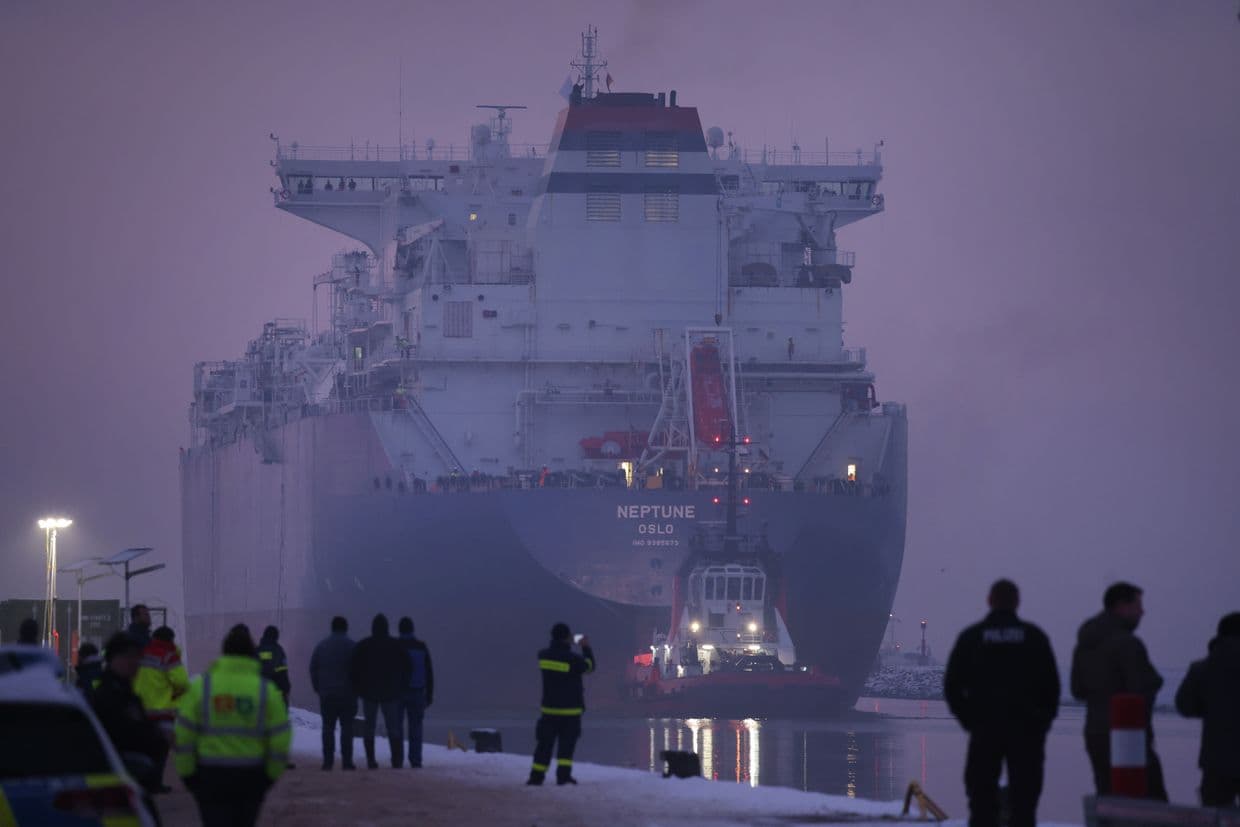
Russia's flagship liquified natural gas (LNG) export terminal, Yamal LNG, exported a total of 7.2 billion euros ($8.4 billion) worth of LNG to European markets in 2025, German environmental NGO Urgewald found in a report published Jan. 8.
The report follows an agreement reached in December 2025 by EU countries to ban Russian gas imports beginning Jan. 1, 2028, with LNG imports set to be prohibited at the start of 2027.
Despite the scheduled prohibition, the European Union remains the biggest importer of Russian LNG. Urgewald reported, citing data from global trade tracking website Kpler, that Russia's Yamal LNG terminal singlehandedly accounted for nearly 15% of the EU’s total global LNG imports.
"This trajectory suggests the EU will continue to funnel billions of euros to Moscow for at least another year," Urgewald researches said in a news release.
While the Yamal LNG project does not account for all of Russia's LNG exports to Europe, the terminal, located in Russia's far north Yamal Peninsula, serves as Russia's key export hub to Europe. Of the 19.7 million tons of LNG exports from Yamal, over 15 million tons — or 76.1% — are shipped to European ports.
In 2025, France served as the largest importer of Russian LNG from Yamal LNG, accounting for nearly 42% — or 6.3 million tons — of all imports, according to Urgewald. While another 4.2 million tons of LNG delivered to Belgium's Zeebrugge terminal.
Despite the large European import totals, watchdogs claim that European countries can exercise "strong leverage" over Russian LNG exports, noting that Moscow's reliance on specialized "Arc7" ice-class tankers creates export challenges due to their range.

"Currently, there is no viable alternative to the short-distance routes leading to EU ports," Urgewald notes. "Without these vessels, Yamal’s operations would reach a total standstill, particularly during the impenetrable winter months."
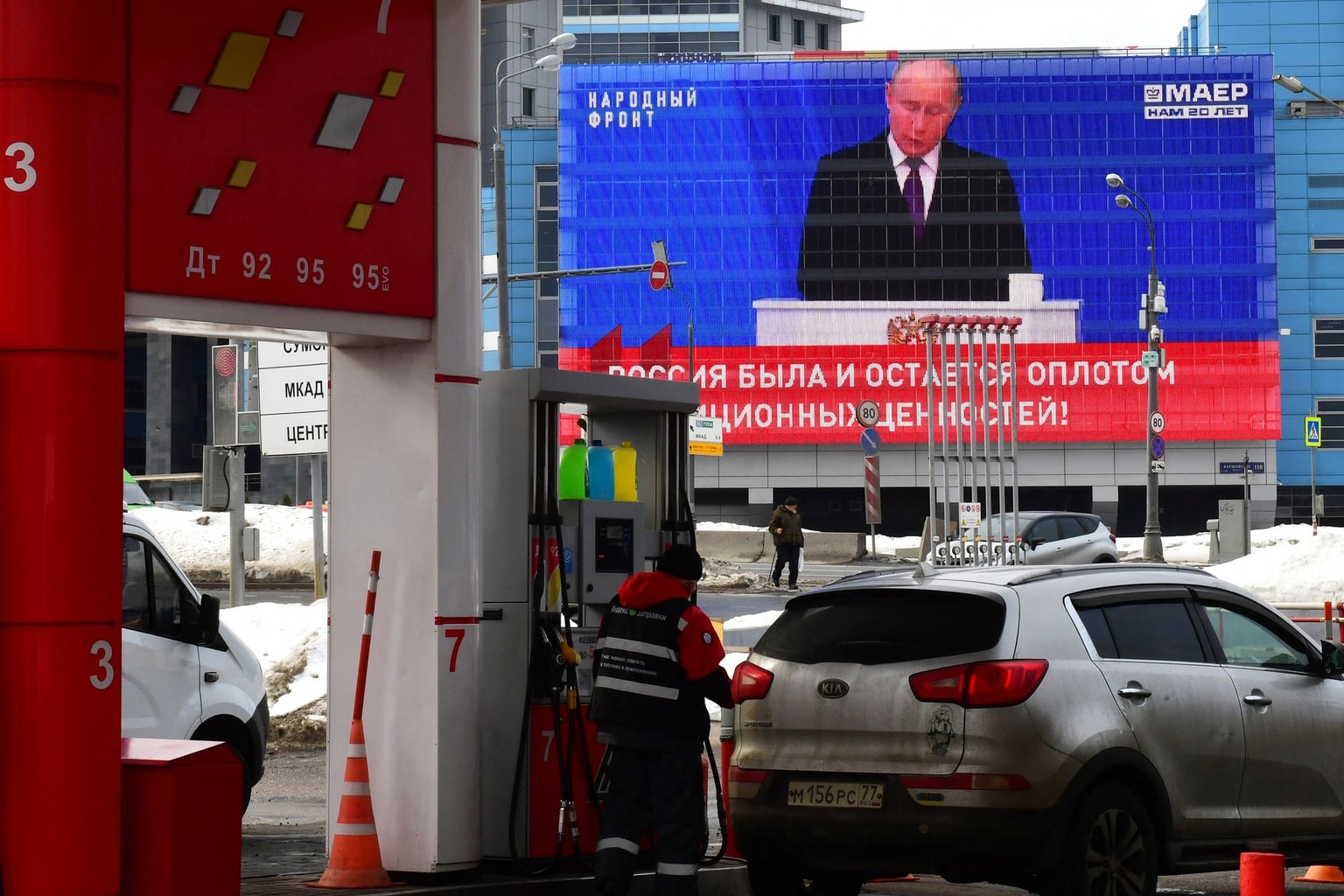
In recent months, U.S. President Donald Trump has pressed Europe to speed up its total embargo of Russian energy, including gas, as it looks to put more pressure on Moscow to end its war.
After months of himself refusing to implement additional sanctions on Russian oil exports, Trump imposed sanctions against Russia's two largest oil companies, Rosneft and Lukoil, in October 2025, marking the first time Trump imposed sanctions against Russia since he took office last January.
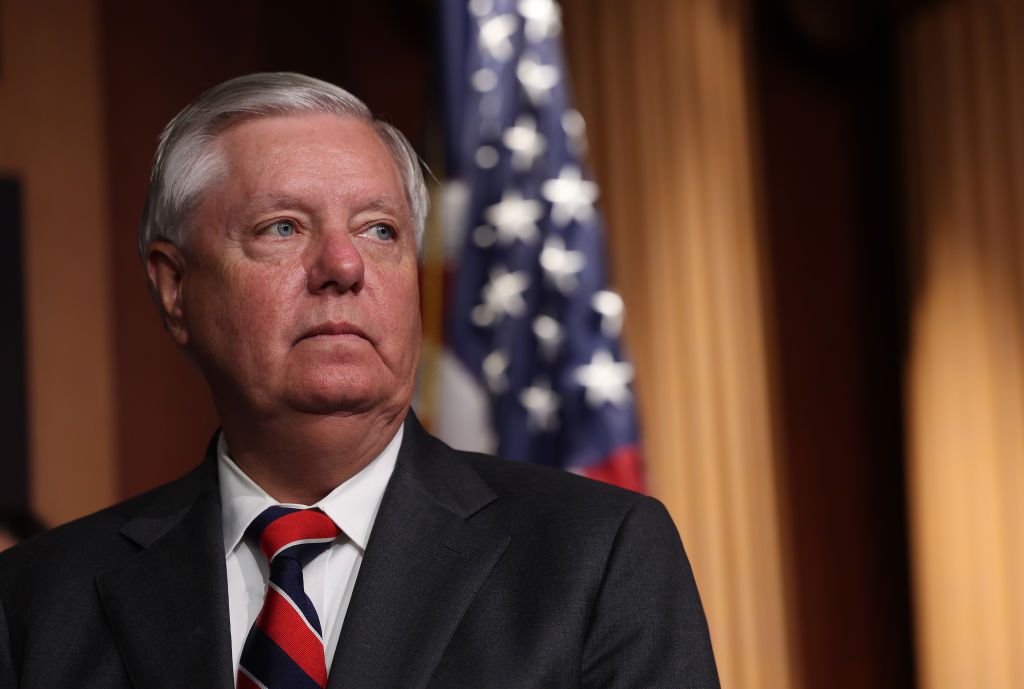
On Jan. 7, U.S. Senator Lindsey Graham announced that Trump has approved moving forward with a bipartisan Russia sanctions bill, opening the door for a potential Senate vote as early as next week.
If passed, the legislation would impose secondary sanctions on countries such as China, Brazil, and India that purchase Russian oil and gas, aiming to restrict a major source of funding for Russia’s war against Ukraine.