EU 'would welcome' Ukraine repairing Druzhba pipeline to resume Russian oil flow
 on Google
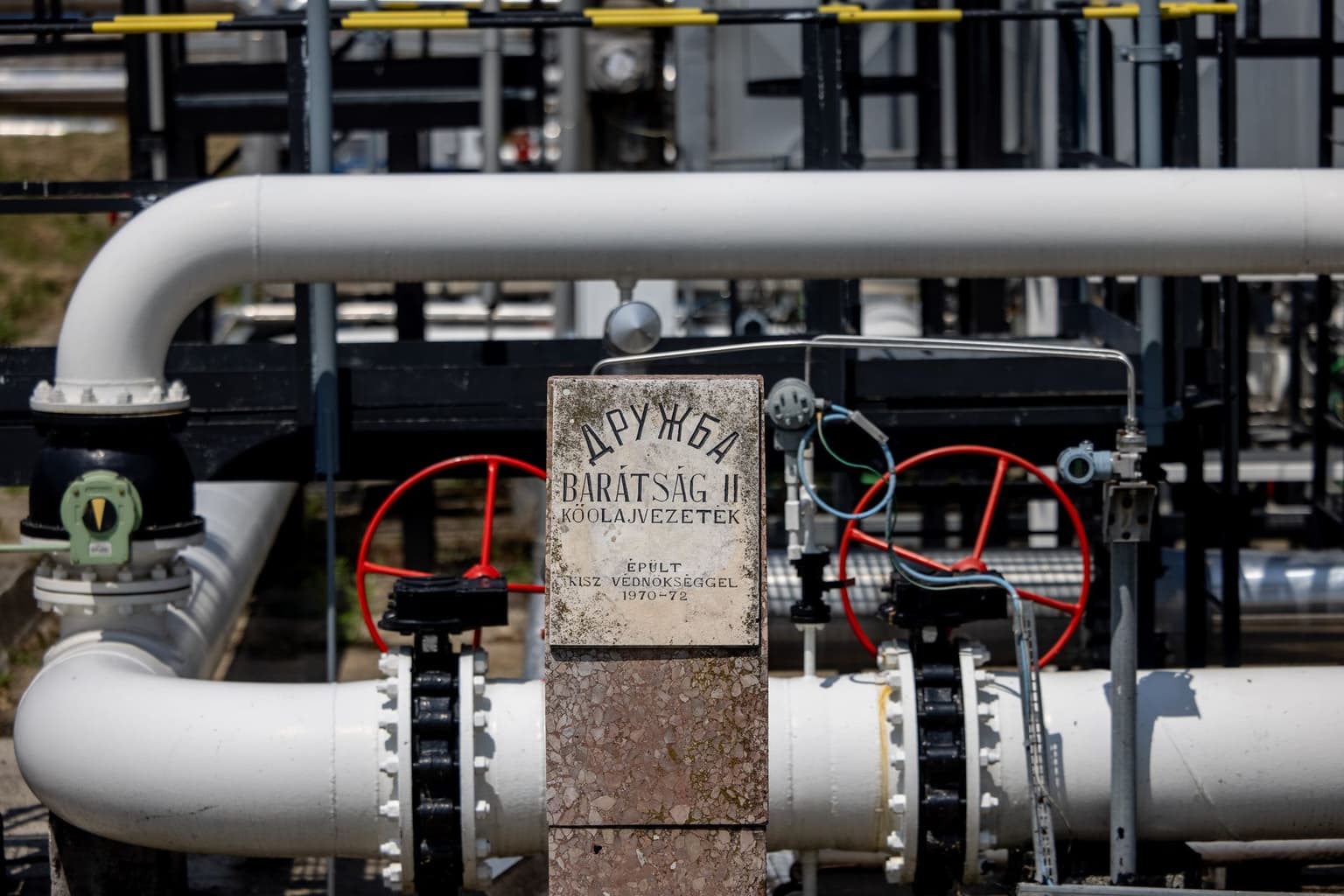
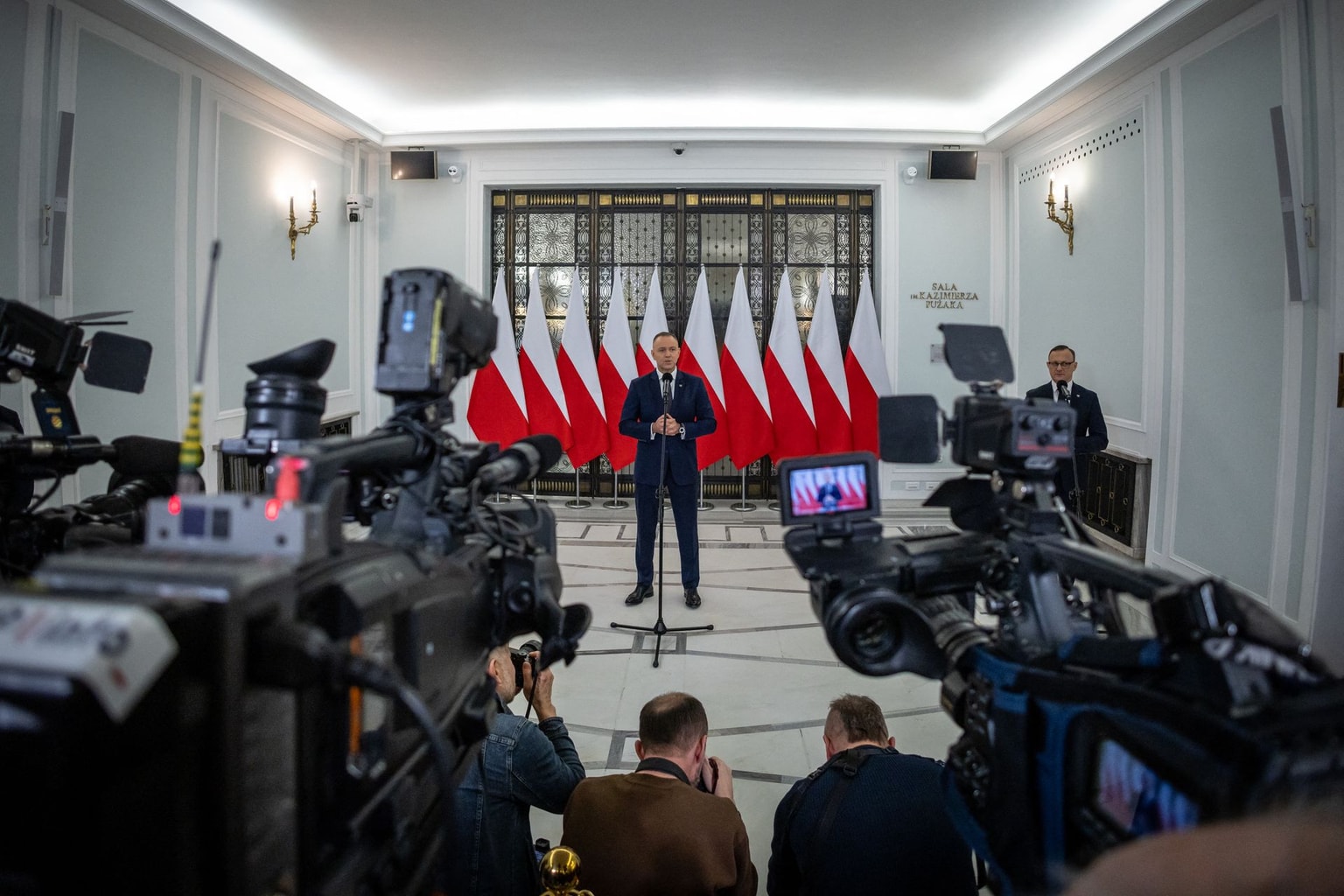
The European Commission would welcome Ukraine resuming operations on the Druzhba oil pipeline, but the final decision rests with Kyiv due to ongoing security risks from Russian attacks, spokesperson Anna-Kaisa Itkonen said on Feb. 20.
The statement comes as tensions rise over the pipeline's suspension since late January, after Russian strikes damaged Ukraine's energy infrastructure.
The disruption has strained Ukraine's relations with Hungary and Slovakia, which remain dependent on Russian oil delivered through the system.
"We would welcome the reactivation of the pipeline... as far as we know, the Ukrainian government is committed to repairing the pipeline," Itkonen said during a briefing.
"But the decision is for Ukraine only, whether and when to repair it."
The remarks show the EU's balancing act between supporting Ukraine amid Russia's war and addressing energy concerns among member states still reliant on Russian supplies.
Itkonen said the Commission has held frequent talks this week with Hungarian, Slovak, and Croatian counterparts. The bloc's Ad Hoc Oil Coordination Group will meet on Feb. 25 to assess the situation.
Hungary and Slovakia accused Kyiv of withholding transit for political reasons and escalated the dispute by announcing on Feb. 18 a halt to diesel exports to Ukraine.
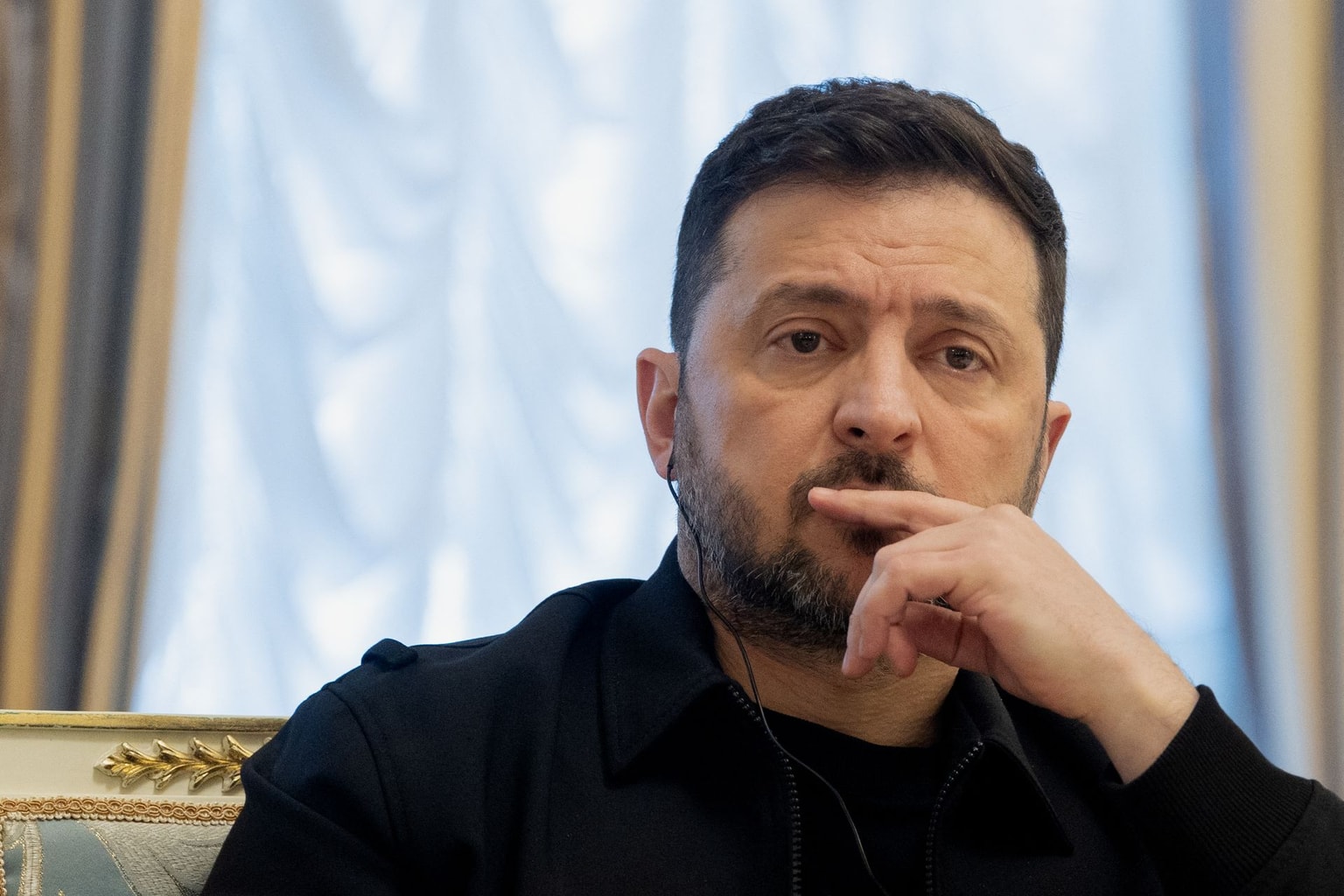
Hungarian Foreign Minister Peter Szijjarto, whose government is up for re-election in April, accused President Volodymyr Zelensky of deliberately undermining Hungary's energy security.
"President Volodymyr Zelensky has decided not to restart oil transit for political reasons," he said.
Budapest and Bratislava have sought alternative routes, asking Croatia to facilitate deliveries via the Adria pipeline. Croatian Economy Minister Ante Susnjar said Zagreb refused to transport Russian oil.
The Druzhba pipeline, one of the world's largest oil networks with a capacity of about two million barrels per day, remains a critical supply route for Hungary and Slovakia — the only EU countries still importing Russian crude through the system.
Ukraine has argued that continued reliance on Russian energy undermines efforts to cut off funding for Moscow's war, while Russian strikes — and Kyiv's own attacks on energy infrastructure inside Russia — have further complicated the pipeline's future.