'Repression cannot go unanswered' — EU sanctions Iran over protest crackdown, Russia support
 on Google
The Council of the EU on Jan. 29 imposed fresh sanctions against Iran in connection with its support for Russian aggression in Ukraine and human rights violations at home.
The bloc sanctioned 15 persons and six entities in response to a brutal crackdown against the weeks-long anti-regime protests that erupted across the country, with thousands feared dead.
The measures target Iranian Interior Minister Eskandar Momeni, commanders and high-ranking officers of the Islamic Revolutionary Guard Corps (IRGC), as well as senior figures in the country's judiciary and law enforcement.
EU foreign ministers also agreed to designate the IRGC, a powerful and elite branch of Iran's armed forces, as a terrorist organization, a largely symbolic move. The unit has already been labeled as a terror group by the U.S. and several other countries.
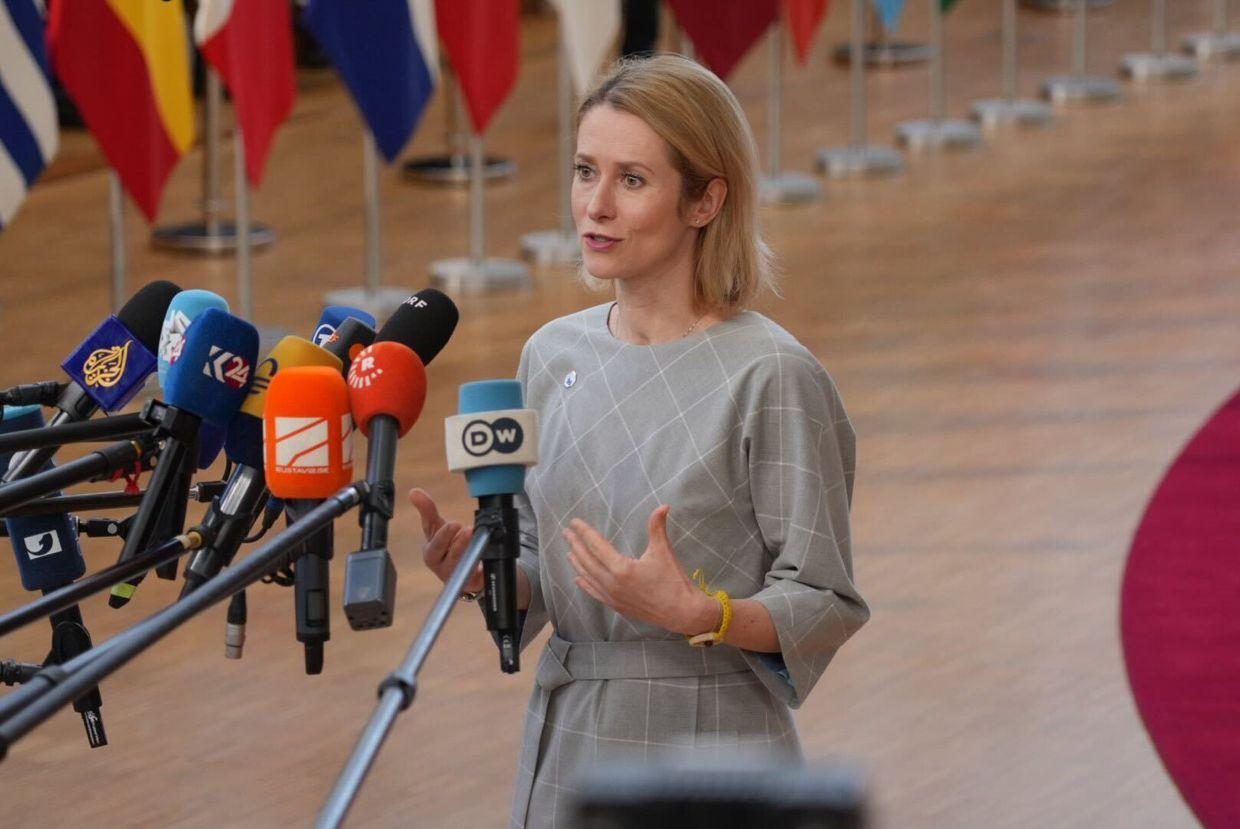
"Repression cannot go unanswered," said Kaja Kallas, the EU's chief diplomat, during a meeting of European foreign ministers in Brussels. "Any regime that kills thousands of its own people is working toward its own demise."
Seyed Abbas Araghchi, Iran's foreign minister, responded by accusing Europe of "fanning the flames" and calling the designation of the IRGC a "major strategic mistake."
With the latest measures, the EU has imposed sanctions against 247 individuals and 50 entities in total in connection with Iran's human rights abuses.
The violent crackdown against the protests also led to a surge in tensions between Tehran and Washington, with the Trump administration reportedly weighing a strike amid stalled talks on Iran's nuclear program.
The European bloc further imposed sanctions against four persons and six entities over Iranian support for Russia's war machine, targeting defense industry players like the Khojir Missile Development and Production, which leads the country's ballistic missile program.
This means that 24 individuals and 26 entities have been sanctioned under this regime to date. The EU is also tightening export restrictions on components and technologies used for drone and missile production.
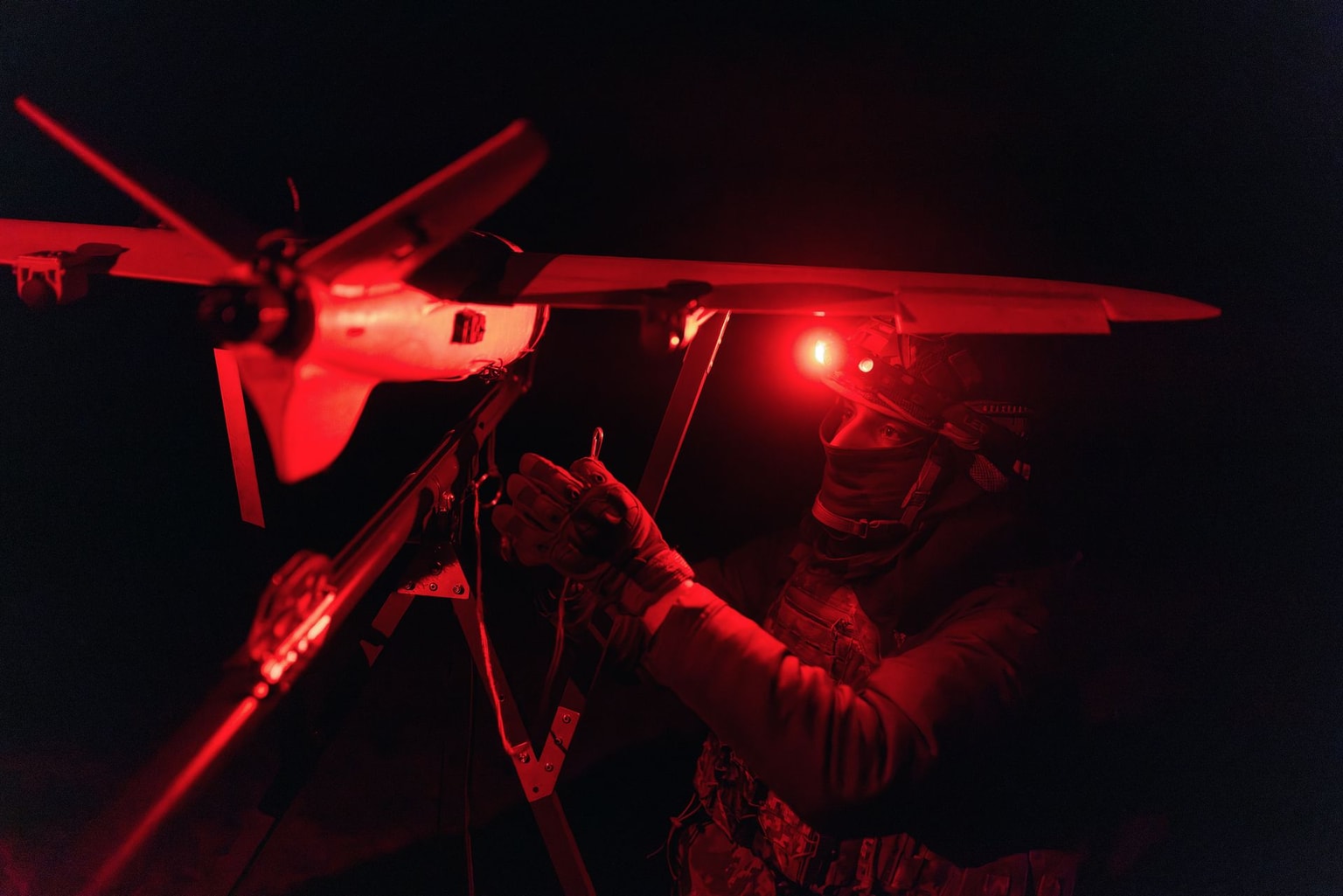
Iran has been Russia's close strategic partner during the war, providing Shahed strike drones that are regularly used in aerial strikes against Ukrainian cities, along with their Russian-produced copies.
Tehran has also provided Moscow with over 350 close-range Fath-360 ballistic missiles, though Ukrainian intelligence has yet to detect a single combat launch against Ukraine.