EU considers full ban on Russian oil services to replace price cap, source says
 on Google
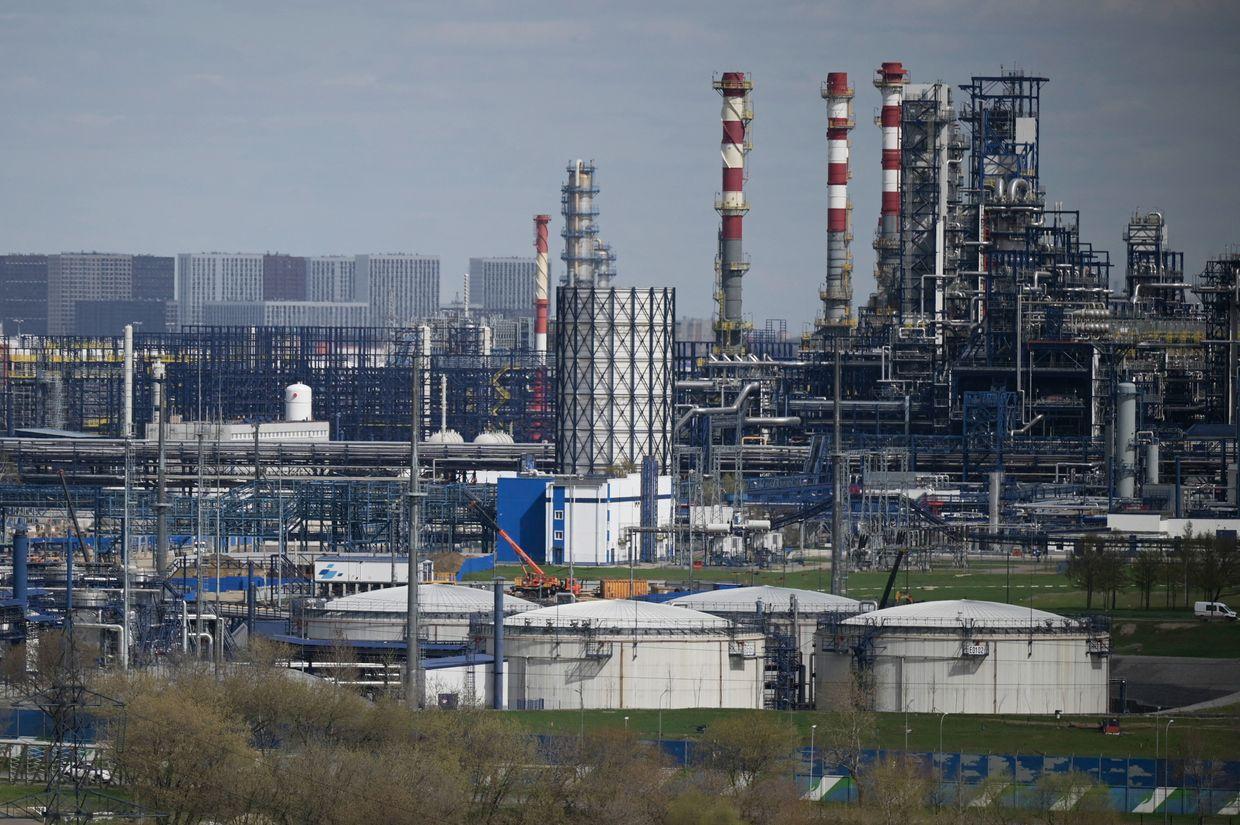
The EU is considering replacing the price cap on Russian oil with a full ban on maritime services in its upcoming sanctions package, a person familiar with the matter told the Kyiv Independent on Jan. 30.
Oil and gas revenues account for about one-third of Russia's federal budget, making energy exports a key source of funding for Moscow's war against Ukraine.
If approved, the measure would prevent European companies from providing key services for transporting Russian oil, including insurance, shipping, and financing, regardless of the price.
According to the source, the proposal was initially formulated in November but was recalled on Jan. 29 as part of preparations for the EU's 20th sanctions package against Russia.
The existing price cap mechanism aims to curb Russia's energy revenues without causing a global supply shock. Under current plans, the EU is set to introduce a new dynamic price ceiling, lowering the cap on Russian crude to $44.10 per barrel starting Feb. 1.
EU member states have already been briefed on the potential contents of the 20th package. All sanctions require unanimous approval from the bloc's member states to enter into force.
EU foreign policy chief Kaja Kallas said on Jan. 29 that the bloc aims to adopt the 20th sanctions package on Feb. 24, marking the fourth anniversary of Russia's full-scale invasion of Ukraine.