EU commissioners in Ukraine to make Chornobyl safe, again
 on Google
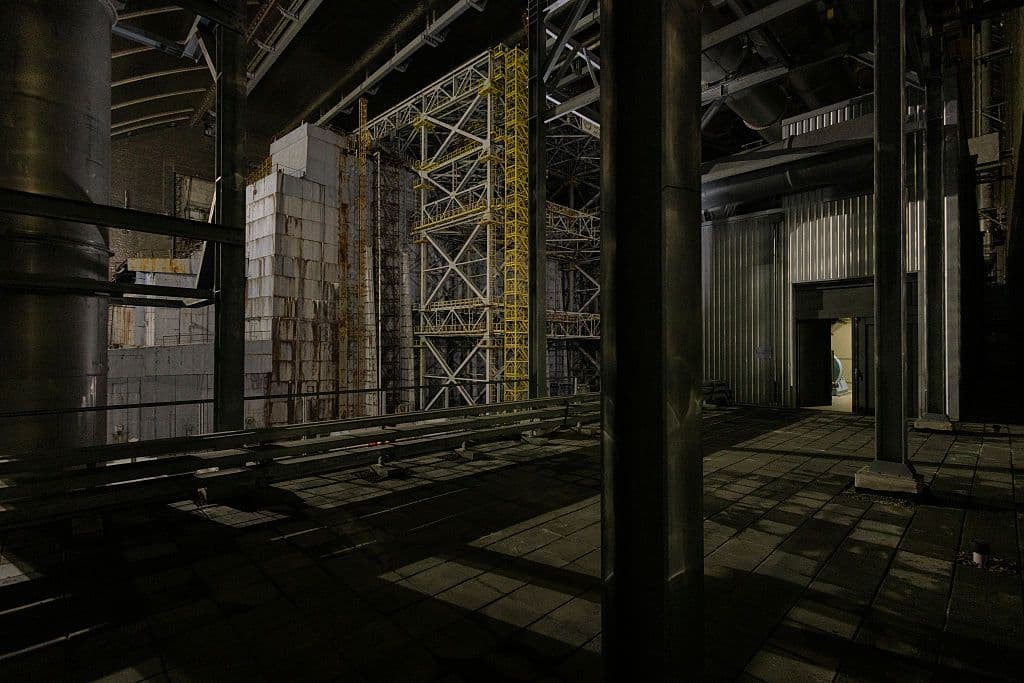
The EU's commissioners for economy and for energy, Valdis Dombrovskis and Dan Jørgensen, arrived in Kyiv on April 26, the 40th anniversary of the Chornobyl nuclear disaster, to discuss protecting Ukraine's energy infrastructure and the need to fundraise to repair a shelter that still protects from radioactive fallout created in the world's worst-ever nuclear disaster.
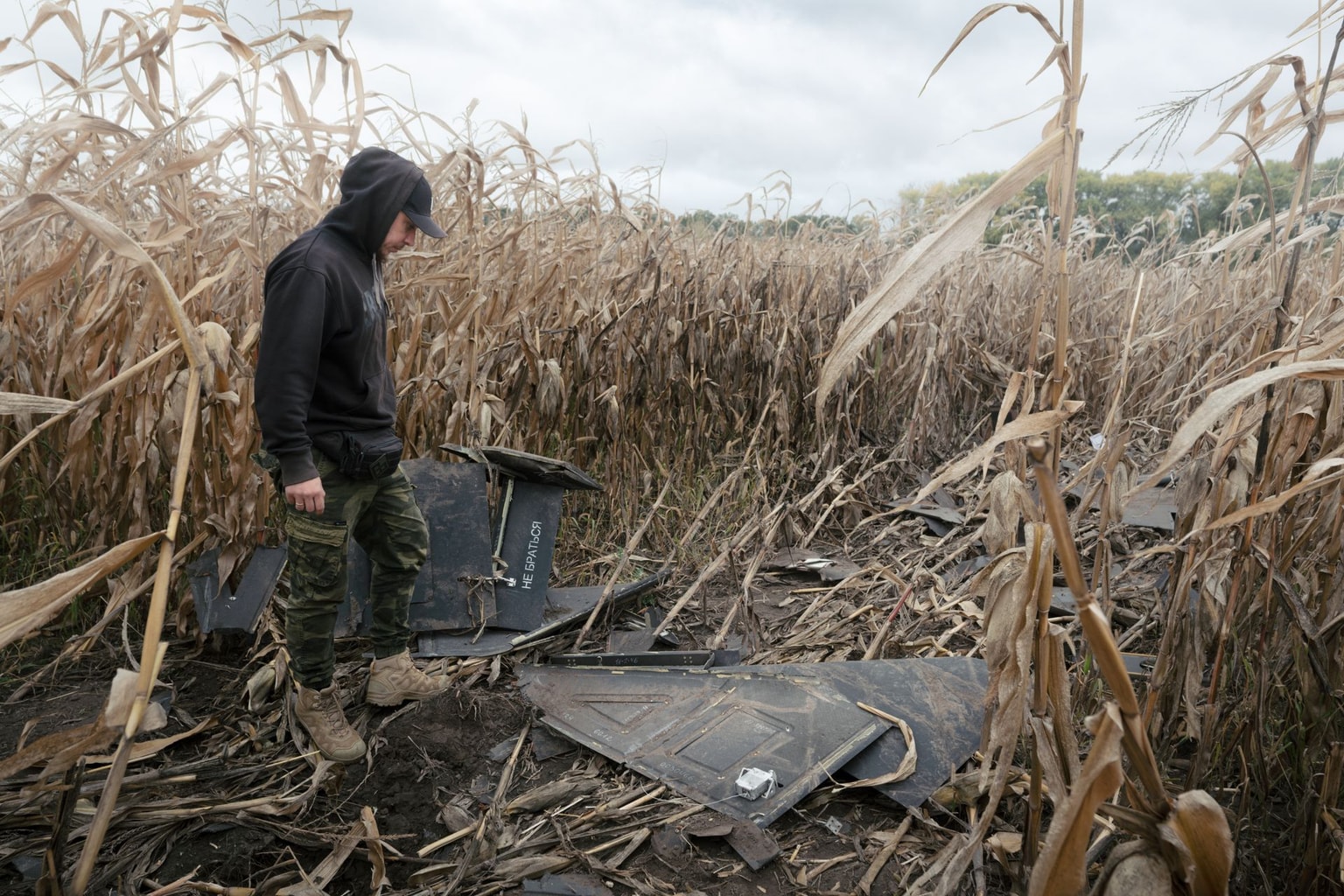
A Russian drone, potentially costing as little as $70,000, struck the New Safe Confinement (NSC) protective shelter of the destroyed fourth reactor at the Chornobyl Nuclear Power Plant in February 2025.
In doing so, it caused 500 million euros ($584 million) in damage, estimates the European Bank for Reconstruction and Development (EBRD), which is leading the fundraising effort to fully repair the shelter by 2030.
The drone strike has led to radiation leaking out from the shelter, and it has hampered the longer-term work of decommissioning that the NSC was supposed to make possible.
An EBRD press release highlighted a "significant risk of further deterioration and corrosion of the main steel structure in the absence of repairs," and so is organizing formal pledging events to raise money for repairs in fall 2026.
Leading the repair effort by contributions is the EU and its member states, Commissioner Dombrovskis told journalists ahead of his trip to Ukraine. However, there is only 70 million euros ($82 million) in the EBRD's dedicated fund, the International Chernobyl Cooperation Account (ICCA).
That is why an EU press statement the day before the anniversary called on the international community to contribute.
Europe's newest money pit
The high cost of repairs relative to the low cost of the drone that caused the damage (that money could buy more than 7,000 such drones) begs a financially important question: how to ensure that the NSC will be protected from such attacks in the future?
The 500 million euro fundraising effort also won't address this defense concern directly.
"No, drone defenses are not in the scope of (the) ICCA," Simon Evans, the EBRD's associate director for nuclear safety and head of the ICCA fund, told the Kyiv Independent.
Instead, the EBRD's approach is to stagger the work of repairs, with urgent work such as advanced corrosion monitoring and engineering diagnostics going ahead regardless.
The longer-term repair work, however, is banking on an end to the war.
"To complete the full scope of works by 2030, they should start by 2028, by which time the war may be over," Evans said.
But what if peace is not forthcoming?
Dombrovskis told the Kyiv Independent that he expects the question of how to defend the NSC to be discussed during his trip to Ukraine, where he and Jørgensen will attend a minister-level conference on nuclear safety organized by the Ukrainian government and a meeting of energy ministers from G7 countries and Ukraine.
Commissioner Jørgensen will also push for the decentralization of Ukraine's energy grid, recognizing that air defenses cannot protect the entire network against future Russian attacks.
But no announcements of new air defense systems to be delivered to protect the NSC are expected, which are essential if the NSC is to be guarded against what the EU press statement calls "relentless strikes."
That same statement calls on the world to "collectively reflect on how to protect nuclear facilities better, especially in time of war."
But as long as the war goes on, and absent the deployment of additional defenses to guarantee the NSC cannot be similarly damaged, the Kyiv Independent has been told that the longer-term work to repair the cladding probably cannot proceed.