Estonia says risk of detaining Russian shadow fleet vessels 'too high'
 on Google
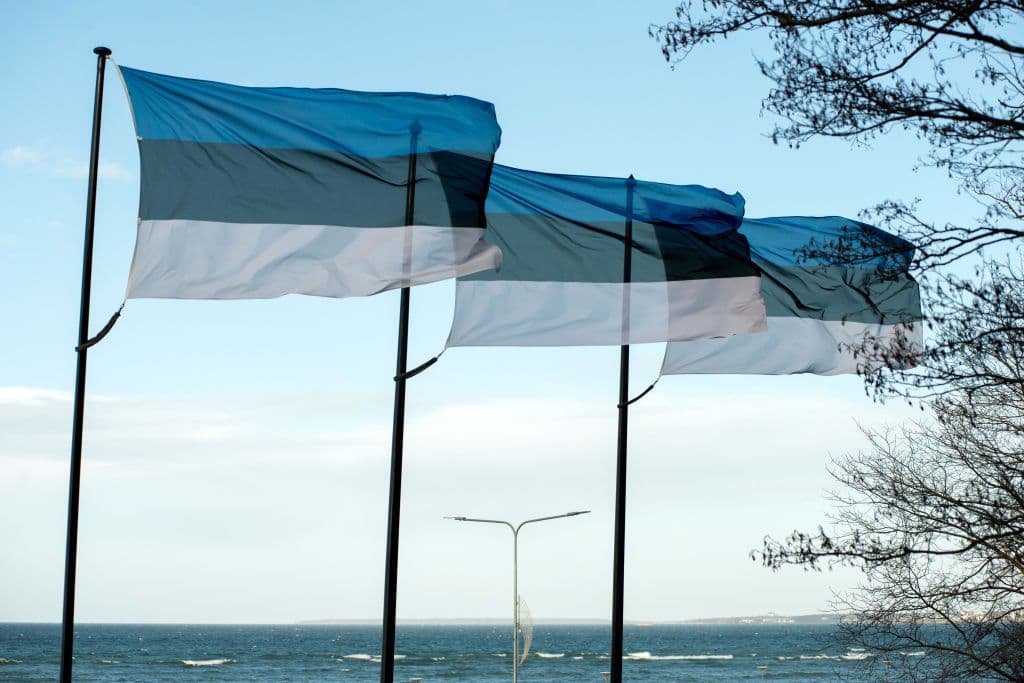
Estonia will not detain Russian shadow fleet vessels in the Baltic Sea due to concerns about potential military escalation, a senior naval commander said April 10.
"The risk of military escalation is just too high," Estonia's Navy Commander Ivo Vark told Reuters.
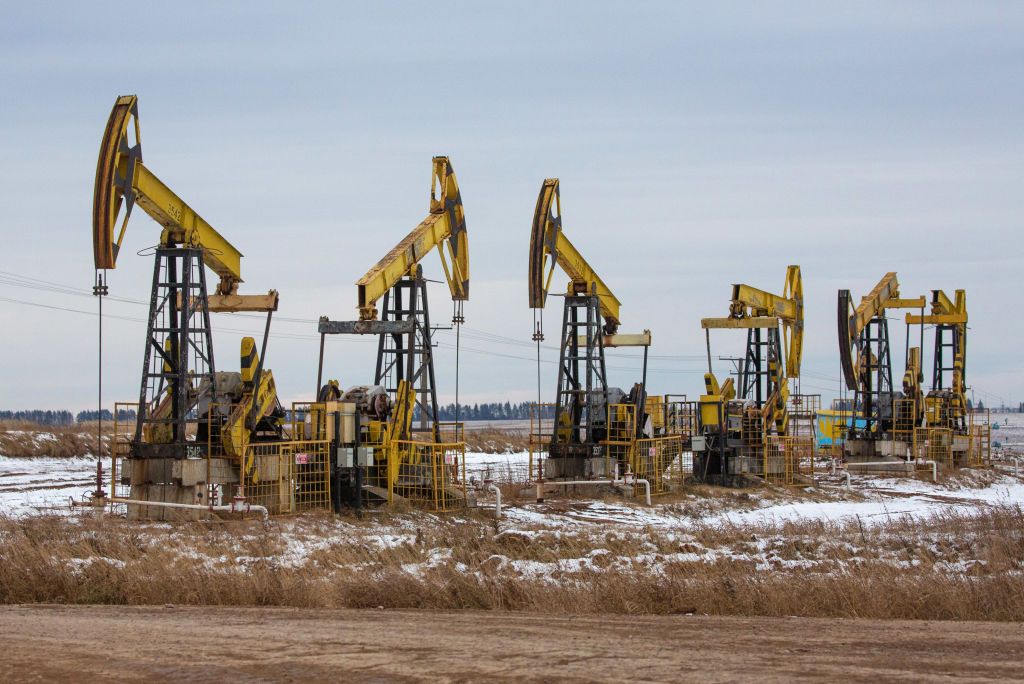
Russia's shadow fleet — a network of oil tankers used to circumvent international sanctions — helps sustain the export of Russian oil in the global market. The network relies on shell companies, deceptive registration practices, and shifting national flags to obscure Russian ownership.
Some European countries, including France, have taken a more assertive stance toward such vessels in their territorial waters. Beginning in September 2025, France started intercepting ships as part of broader efforts to disrupt the network. Last month, the British government said it would allow armed forces and law enforcement personnel to board Russian shadow fleet vessels operating in U.K. waters.
Ukraine has welcomed those actions and urged allies to adopt legislation allowing authorities to seize shadow fleet vessels and repurpose their cargo.
In response, senior Kremlin aide Nikolai Patrushev said on March 19 that Russia is considering escorting its shadow fleet vessels with naval warships.
Estonia, which borders Russia and sits near key oil and fuel export routes in the Gulf of Finland, has taken a more cautious approach following a failed interception attempt last year.
In May 2025, Estonian officials said Russia sent a fighter jet into NATO airspace over the Baltic Sea as Estonian forces tried to stop an unflagged tanker suspected of breaching Western sanctions. The jet ultimately escorted the vessel into Russian waters.
Since then, Russia has maintained a patrol of two to three armed naval vessels in the Gulf of Finland and expanded its military presence along major shipping routes in the Baltic Sea, Vark said.
"The Russian military presence here in the Gulf of Finland has become much, much more evident," he said.
Vark noted that in regions like the Atlantic Ocean and the North Sea — where Russian forces are far less active — authorities have greater flexibility to act against suspect vessels with a lower risk of escalation.
Estonia would only consider intervening under exceptional circumstances, such as threats to critical underwater infrastructure or the risk of a significant oil spill, he added.